Categories
What to Check During a Mattress Compression Packing Machine Demonstration |NAIGU
Learn what to check during a mattress compression packing machine demonstration, including compression quality, rolling performance, sealing, production efficiency, and machine stability.
Nov 27th,2026
12 Views
Choosing a mattress compression packing machine is an important investment for mattress manufacturers. A machine may look efficient in product videos or technical specifications, but its actual performance needs to be evaluated under real operating conditions.
A factory demonstration gives buyers the opportunity to check how the equipment handles different mattress materials, performs each packing step, and fits into their production workflow. Instead of focusing only on the machine's appearance or advertised speed, buyers should pay attention to compression quality, sealing performance, operating stability, and finished package consistency.
This guide explains the key points to check during a mattress compression packing machine demonstration to help buyers make a more informed purchasing decision.
1. Check Mattress Compatibility
The first step is to confirm whether the machine can process the mattresses you actually manufacture.
Different mattresses vary in size, thickness, material, and internal structure. These factors can influence compression performance and the final packed dimensions.
During the demonstration, ask the supplier to test mattresses with specifications similar to your regular products.
Important details to check include:
-
Mattress dimensions: Confirm the maximum length and width supported by the machine.
-
Mattress thickness: Check whether the equipment can handle your standard thickness range.
-
Mattress materials: Evaluate compatibility with foam, memory foam, latex, and other mattress structures.
-
Mattress types: Consider whether the machine can process different models without major adjustments.
A demonstration using only one sample mattress may not provide enough information. Testing several representative products gives buyers a clearer understanding of machine compatibility.
2. Observe the Compression Process
Compression is one of the most important stages of mattress roll packing. The machine needs to reduce the mattress volume while maintaining a suitable compression process for the product.
During the demonstration, observe how the mattress enters the compression area and how the machine completes the pressing operation.
Pay attention to:
-
Whether the mattress is positioned correctly before compression.
-
Whether the pressing process is stable and consistent.
-
Whether the mattress remains properly aligned.
-
Whether the compression settings can be adjusted for different mattress specifications.
-
Whether the compressed mattress maintains its intended shape.
Buyers should also ask about the recommended compression parameters for different mattress materials. Excessive or unsuitable compression may affect product quality, so the process should be evaluated according to the mattress manufacturer's requirements.
3. Evaluate the Rolling and Folding Quality
For mattress compression roll packing machines, rolling quality directly affects package size, appearance, and transportation convenience.
A well-controlled rolling process helps produce compact and consistent finished packages.
During the demonstration, check the following:
|
Evaluation Point
|
What to Observe
|
|
Rolling tightness
|
Whether the mattress is rolled consistently
|
|
Package shape
|
Whether the finished roll is regular and compact
|
|
Edge alignment
|
Whether mattress edges remain properly aligned
|
|
Material condition
|
Whether the mattress surface shows unwanted marks or deformation
|
|
Finished dimensions
|
Whether the roll size meets transportation and storage requirements
|
If you manufacture mattresses in different sizes, ask the supplier to demonstrate how the machine adjusts to different product specifications.
4. Check the Packing Film and Sealing Performance
The packing material is another important factor in mattress compression packing. The machine should work with suitable film specifications to provide reliable protection during storage and transportation.
During the demonstration, examine the film feeding, positioning, sealing, and cutting processes.
Key points include:
-
Film compatibility: Confirm the supported film material, thickness, width, and roll specifications.
-
Film feeding: Check whether the film moves smoothly without frequent deviation.
-
Sealing quality: Inspect whether the sealing area is consistent and properly closed.
-
Cutting performance: Observe whether the film is cut cleanly.
-
Package appearance: Check for wrinkles, loose areas, or uneven film distribution.
It is also useful to ask whether the machine can accommodate different packing film specifications and what adjustments are required when changing materials.
5. Measure Actual Production Efficiency
Advertised production speed is useful for initial comparison, but buyers should evaluate the machine's actual operating efficiency during a demonstration.
The complete packing cycle may include mattress loading, positioning, compression, rolling, film wrapping, sealing, and unloading.
A practical evaluation should consider:
-
Actual cycle time for the tested mattress.
-
Time required for loading and unloading.
-
Manual operations involved in the process.
-
Adjustment time when changing mattress sizes.
-
Frequency of interruptions during continuous operation.
Ask the supplier to explain the conditions behind the stated production capacity. Mattress dimensions, thickness, material, operator experience, and machine configuration can all influence actual output.
Tip: Compare production capacity using the same mattress specifications and operating conditions rather than relying only on advertised maximum speed.
6. Examine Machine Stability and Control Systems
A mattress packing machine may operate well during a short test but still require further evaluation before being integrated into daily production.
During the demonstration, observe whether the equipment operates smoothly throughout the complete packing cycle.
Check these areas:
-
Whether the control panel is easy to understand.
-
Whether operating parameters can be adjusted conveniently.
-
Whether the machine completes each process in the correct sequence.
-
Whether sensors and safety protection systems function properly.
-
Whether the equipment requires frequent manual intervention.
Buyers should also ask about the main electrical components, control system, maintenance requirements, and availability of replacement parts.
7. Evaluate Operator Requirements and Production Integration
A mattress compression packing machine should fit the factory's existing production process.
Even a technically capable machine may create operational difficulties if its loading method, discharge direction, or layout does not match the factory's workflow.
Before purchasing, consider:
Factory layout: Check the machine's overall dimensions, installation space, and material flow.
Operator requirements: Understand how many operators are needed during normal production.
Production line connection: Confirm whether the machine can connect with existing conveyors or upstream equipment.
Product changeover: Evaluate how easily operators can switch between mattress sizes and models.
Training requirements: Ask what installation, commissioning, and operator training services are available.
For manufacturers planning to expand production, it is especially important to consider future capacity requirements and possible line upgrades.
8. Ask About Installation, Maintenance, and After-Sales Support
Equipment performance is only one part of a successful purchasing decision. Installation and long-term technical support also influence production reliability.
During the supplier discussion, clarify:
-
Whether installation and commissioning services are available.
-
Whether remote technical support is provided.
-
Whether operator training is included.
-
Which spare parts should be prepared in advance.
-
How routine maintenance should be performed.
-
How technical issues are handled after delivery.
For overseas buyers, communication efficiency and access to technical support are particularly important. A supplier with experience in international installation and customer service can help simplify the equipment commissioning process.
9. Prepare a Practical Demonstration Checklist
To make supplier comparisons easier, buyers can use the following checklist during each factory visit or online machine demonstration.
|
Inspection Item
|
Key Question
|
|
Mattress compatibility
|
Can it process my mattress sizes and materials?
|
|
Compression performance
|
Is the compression process stable and suitable for my products?
|
|
Rolling quality
|
Are the finished rolls compact and consistent?
|
|
Film feeding
|
Does the film move smoothly?
|
|
Sealing and cutting
|
Are the finished packages properly sealed and cut?
|
|
Production capacity
|
What is the actual output under my product specifications?
|
|
Operation
|
Is the control system easy to operate?
|
|
Safety
|
Are the necessary safety features installed and functional?
|
|
Maintenance
|
Are spare parts and technical support available?
|
|
Installation
|
Can the supplier support installation and training?
|
A structured checklist helps buyers compare different suppliers based on practical performance instead of price alone.
10. Choose a Machine Based on Your Actual Packing Requirements
Not every mattress factory has the same production requirements. Some manufacturers need a semi-automatic compression packing machine for flexible production, while others require an integrated compression and rolling system for higher-volume operations.
Before making a final decision, consider:
-
Your daily mattress production volume.
-
The mattress sizes and materials you manufacture.
-
Your preferred packing method.
-
-
Required automation level.
-
Budget and future expansion plans.
The most suitable machine is not necessarily the one with the highest advertised speed. It is the equipment that consistently meets your product requirements and fits your production workflow.
Conclusion
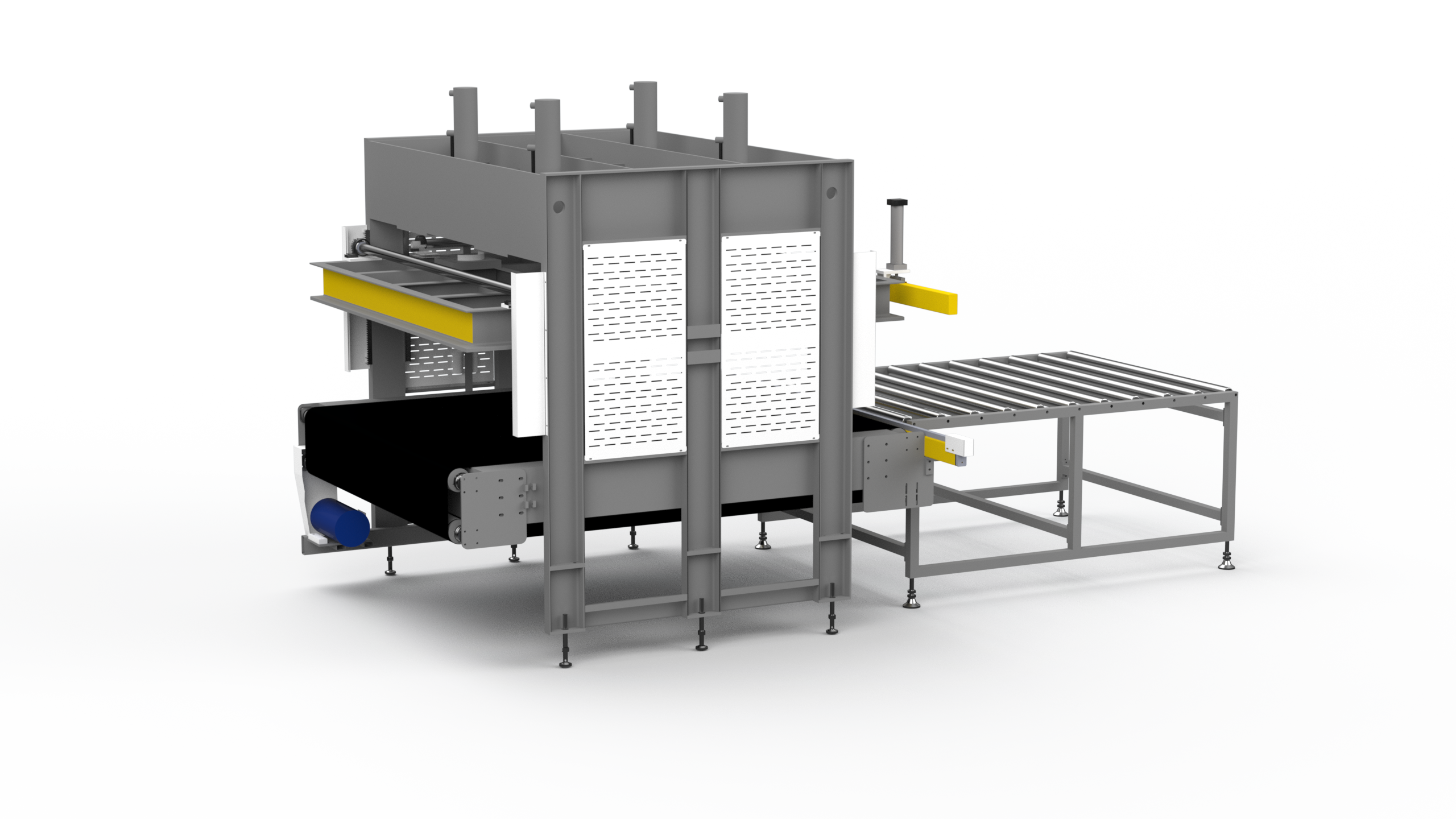
A mattress compression packing machine demonstration provides valuable information that cannot always be obtained from product catalogs or technical specifications. Buyers should evaluate mattress compatibility, compression quality, rolling consistency, film sealing, actual production efficiency, machine stability, and after-sales support.
A complete demonstration using real mattress samples is one of the most practical ways to assess whether a machine is suitable for your factory.
NAIGU Mattress Machinery provides mattress compression, rolling, and packing equipment for mattress manufacturers worldwide. With experience in mattress production and packing solutions, NAIGU helps customers evaluate suitable machine configurations according to mattress specifications, production capacity, and factory requirements.
Whether you are upgrading an existing packing process or planning a new mattress production line, choosing the right equipment starts with understanding your actual production needs.
Contact NAIGU to discuss your mattress specifications and request a suitable machine solution.