Discover how domestic and export mattress packing requirements differ in materials, compression methods, package dimensions, moisture protection, labeling, and packing equipment.
Mattress packing plays an important role in protecting products, maintaining appearance, and supporting efficient transportation. However, the requirements for domestic mattress distribution are not always the same as those for international exports.
Mattresses sold within a domestic market may travel shorter distances and pass through relatively simple distribution channels. Export mattresses, on the other hand, often involve container loading, international shipping, customs procedures, multiple handling stages, and longer storage periods.
These differences influence the choice of packing materials, compression methods, package dimensions, and overall packing equipment.
For mattress manufacturers serving both domestic and overseas customers, understanding these requirements can help optimize packing processes and improve product protection.
This article explores the key differences between domestic and export mattress packing and explains how manufacturers can select suitable packing solutions for different markets.
1. Transportation Distance and Handling Conditions
One of the biggest differences between domestic and export mattress packing is the transportation journey.
Domestic mattress distribution may involve factory-to-warehouse delivery, regional transportation, or direct delivery to retailers and consumers.
Export mattresses often travel through several logistics stages, including:
-
Factory handling and warehouse storage.
-
Truck transportation to the port.
-
Container loading and unloading.
-
International sea or air transportation.
-
Destination port handling.
-
Local warehouse distribution.
Each additional handling stage creates potential risks, such as package abrasion, compression damage, and film tearing.
Domestic packing considerations:
-
Basic dust and moisture protection.
-
Convenient handling and product identification.
-
Suitable packing strength for local transportation.
-
Compatibility with local delivery methods.
Export packing considerations:
-
Stronger protection against repeated handling.
-
Reliable sealing and package integrity.
-
Suitable film strength for long-distance transportation.
-
Package stability during container loading and unloading.
Export buyers should evaluate the entire transportation process rather than selecting packing materials based only on factory requirements.
2. Different Requirements for Packing Materials
Packing materials directly affect mattress protection and transportation performance.
For domestic markets, manufacturers may use standard PE bags or protective film based on product positioning and distribution requirements.
Export markets may require more careful evaluation of material strength, film thickness, and sealing quality.
Common packing materials include:
PE Film
PE film is widely used for mattress protection because of its flexibility, lightweight structure, and moisture resistance.
PE Bags
Customized PE bags can protect mattresses from dust and surface contamination during storage and transportation.
Stretch Film
Stretch film may be used for securing palletized mattress packages and stabilizing grouped goods during transportation.
Protective Outer Packaging
Depending on customer requirements, additional protective layers may be used to reduce the risk of surface damage during distribution.
For export applications, manufacturers should confirm that the selected materials can withstand actual transportation and handling conditions.
3. Mattress Compression Requirements
Compression is widely used in mattress packing to reduce product volume and improve transportation efficiency.
However, domestic and export markets may have different priorities when selecting compression methods.
Domestic Mattress Packing
Domestic mattress distribution may involve flat packing, folding, compression, or roll packing, depending on the product and delivery channel.
Some manufacturers prioritize convenient handling and a suitable package appearance for retail or direct-to-consumer delivery.
Export Mattress Packing
Export-oriented mattress factories often pay greater attention to package volume and container utilization.
Compression and roll packing can help reduce mattress package dimensions, allowing more products to fit into a shipping container when the mattress construction supports this method.
When selecting compression equipment, manufacturers should consider:
-
Mattress material and internal structure.
-
Mattress dimensions and thickness.
-
Recommended compression conditions.
-
Final package dimensions.
-
Recovery performance after unpacking.
-
Compatibility with different mattress models.
Not every mattress is suitable for the same compression method. Product testing is essential before establishing export packing specifications.
4. Package Dimensions and Container Utilization
Package dimensions are particularly important for export mattress manufacturers because international transportation costs are often influenced by cargo volume and shipping arrangements.
A larger package may reduce the number of mattresses that can be loaded into a container, increasing transportation costs per unit.
For domestic distribution, package dimensions may be more closely related to warehouse space, vehicle capacity, and delivery convenience.
Manufacturers should evaluate:
|
Evaluation Factor
|
Domestic Markets
|
Export Markets
|
|
Package size
|
Local delivery requirements
|
Container loading efficiency
|
|
Packing method
|
Flexible by distribution channel
|
Often optimized for international logistics
|
|
Product stacking
|
Warehouse and vehicle conditions
|
Container loading arrangements
|
|
Compression
|
Based on product and delivery needs
|
Often considered for volume optimization
|
|
Package stability
|
Local handling conditions
|
Multiple transportation stages
|
The actual benefits of compression packing depend on mattress specifications, package dimensions, container loading plans, and transportation costs.
5. Moisture Protection and Storage Conditions
Mattresses may be exposed to different environmental conditions during transportation and storage.
Domestic products may spend relatively limited time in transit or warehouse storage. Export products may remain in containers, ports, or overseas warehouses for longer periods.
This makes moisture protection an important consideration.
Manufacturers should evaluate:
-
PE film quality and thickness.
-
-
-
Warehouse ventilation and storage conditions.
-
Potential condensation during transportation.
-
Additional moisture protection when required.
PE film provides a useful physical barrier against external moisture, but it does not automatically prevent condensation inside a sealed package.
For export shipments involving humid climates or significant temperature changes, manufacturers should evaluate the complete packaging system and appropriate moisture-control measures.
6. Labeling and Product Identification
Domestic and export mattress packing may also differ in labeling requirements.
Domestic products typically follow local retail, warehouse, and distribution requirements.
Export shipments may require additional information to support customs documentation, warehouse management, and destination-market distribution.
Depending on the destination country and buyer requirements, packaging labels may include:
-
Product model and dimensions.
-
Product identification or SKU.
-
Manufacturer information.
-
-
-
-
Importer or distributor details.
Buyers should confirm applicable labeling, language, and product documentation requirements with their importers and relevant authorities before shipment.
7. Packing Equipment Requirements for Different Markets
The packing equipment selected by a mattress manufacturer should reflect its production volume, product range, and target markets.
Domestic-oriented factories may use equipment configurations that focus on flexible packing methods and convenient operation.
Export-oriented manufacturers may place greater emphasis on:
-
Consistent package dimensions.
-
Stable compression performance.
-
Efficient continuous production.
-
Reliable film feeding and sealing.
-
Higher packing throughput.
-
Integration with downstream logistics operations.
For factories serving both markets, flexible equipment configurations can help accommodate different packing specifications without requiring entirely separate production lines.
Depending on the production requirements, manufacturers may consider:
-
Mattress compression machines.
-
Mattress folding machines.
-
Mattress roll packing machines.
-
Compression and roll packing integrated systems.
-
Automatic film sealing and cutting equipment.
The final equipment selection should be based on actual mattress specifications and required production capacity.
8. Quality Inspection Before Domestic Delivery and Export
Quality inspection is essential for both domestic and export mattress packing, but export shipments may require additional checks because products face longer transportation journeys.
A practical inspection process should cover:
|
Inspection Item
|
Key Requirements
|
|
Film condition
|
No obvious tears or defects
|
|
Sealing quality
|
Secure and consistent seals
|
|
Package dimensions
|
Within specified tolerances
|
|
Compression quality
|
Consistent compression results
|
|
Package appearance
|
Neat and properly aligned
|
|
Product identification
|
Correct labels and model information
|
|
Transportation readiness
|
Suitable for planned handling and loading
|
For export orders, factories should also check whether the finished packages meet buyer-specific packing instructions before container loading.
Maintaining inspection records can help improve consistency across different production batches.
9. How Mattress Manufacturers Can Develop Different Packing Standards
Manufacturers serving multiple markets should avoid relying on a single packing specification for every order.
Instead, they can establish separate packing standards based on destination, product type, and transportation requirements.
A practical approach includes:
Step 1: Classify target markets.
Identify domestic distribution channels and export destinations.
Step 2: Define product requirements.
Record mattress dimensions, materials, thickness, and compression suitability.
Step 3: Establish packing specifications.
Determine suitable PE film, bag dimensions, sealing methods, and compression configurations.
Step 4: Conduct packing tests.
Evaluate package appearance, sealing quality, and product recovery performance.
Step 5: Review transportation conditions.
Consider container loading, handling procedures, storage periods, and destination conditions.
Step 6: Standardize production procedures.
Create clear packing instructions for different customer orders.
This approach helps mattress factories maintain consistent product quality while responding to different market expectations.
Conclusion
Mattress packing requirements differ between domestic and export markets mainly because of transportation distance, handling conditions, material requirements, package dimensions, and logistics arrangements.
Domestic packing often focuses on convenient local distribution and product protection, while export packing places additional emphasis on package durability, container utilization, moisture management, and international shipping requirements.
For mattress manufacturers serving both markets, choosing flexible packing methods and suitable machinery is essential.
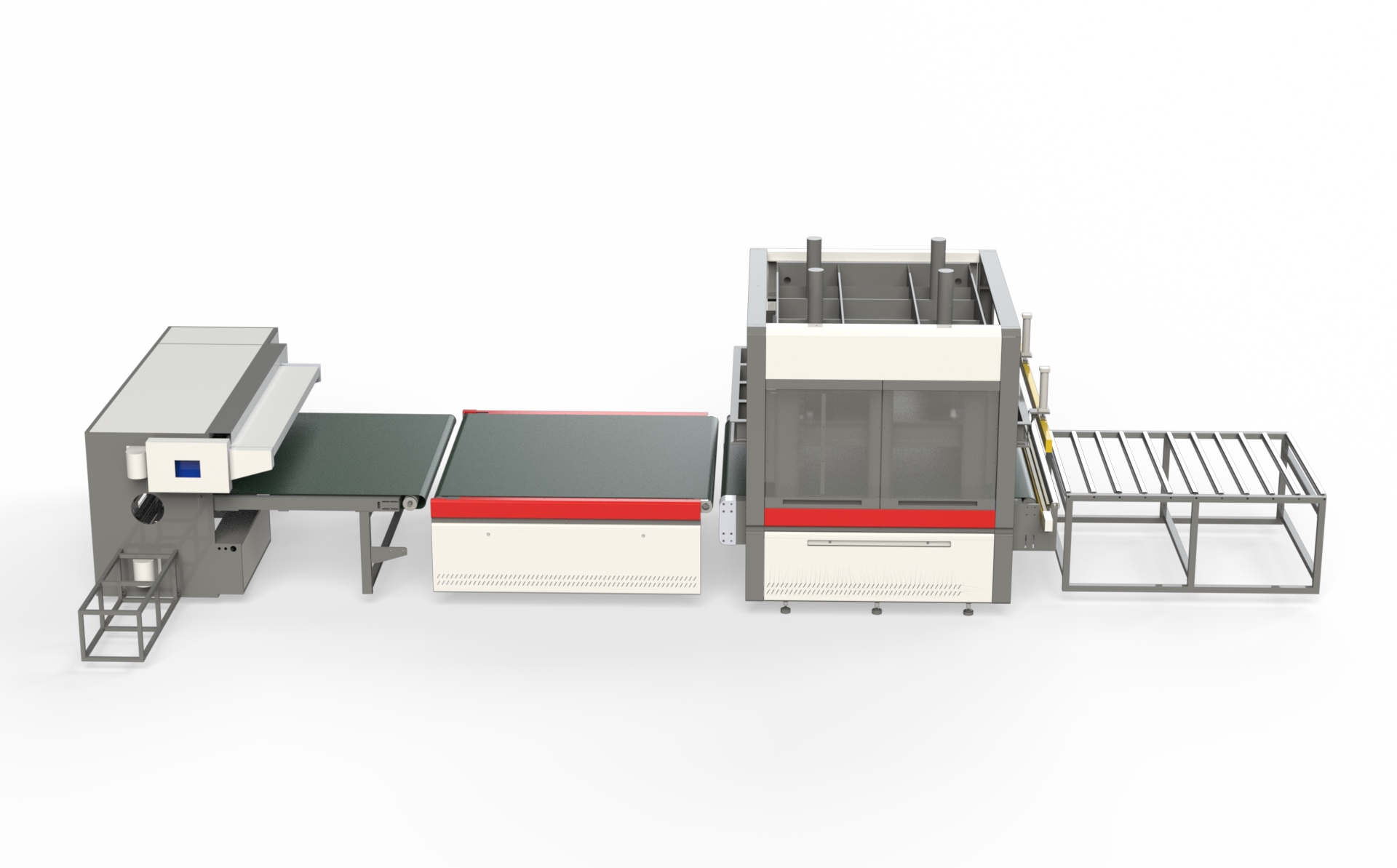
By establishing market-specific packing standards and evaluating actual transportation conditions, factories can improve packing consistency, optimize material consumption, and support more efficient distribution.
NAIGU specializes in mattress manufacturing and packing machinery, providing equipment solutions for mattress factories serving domestic and international markets.
Our product range covers mattress compression, folding, rolling, and packing processes, helping manufacturers develop suitable packing configurations according to product specifications and production requirements.
Whether you are preparing mattresses for local distribution or optimizing packing operations for international exports, NAIGU can help evaluate suitable machinery and production solutions.
Get a Free Quote for Your Mattress Packing Project.