Categories
What Determines the Final Package Size of a Compressed Sofa? NAIGU
Discover the key factors affecting compressed sofa package size, including foam density, sofa structure, compression ratio, packing methods, film properties, and machine configuration.
Nov 27th,2026
15 Views
Sofa compression packing is widely used by furniture manufacturers to reduce product volume, improve warehouse utilization, and simplify transportation. However, the final package size of a compressed sofa is not determined by the packing machine alone.
Sofa structure, foam density, material thickness, compression method, folding or rolling configuration, and packing film all influence the dimensions of the finished package.
For furniture manufacturers planning to introduce compression packing equipment, understanding these factors is essential for selecting the right machine and setting realistic packing requirements.
This article explains the main factors that determine the final package size of a compressed sofa and how manufacturers can improve packing consistency.
1. Sofa Structure and Internal Materials
The original structure of a sofa is one of the most important factors affecting its compressed package size.
Different sofa designs contain different combinations of frames, foam, cushions, springs, and upholstery materials. These components respond differently to compression.
Common factors include:
-
Foam density: Different foam densities have different compression characteristics and recovery behavior.
-
Foam thickness: Thicker cushions and backrests may require more compression space.
-
Internal frame: Wooden or metal structures may limit how much the sofa can be compressed.
-
Spring systems: Certain spring structures require special consideration during compression.
-
Upholstery materials: Fabric, leather, and other covering materials may have different flexibility and surface protection requirements.
Sofas with removable cushions or modular components may offer more flexible packing configurations than products with fixed structures.
Before selecting a compression method, manufacturers should evaluate the complete sofa construction rather than considering only its external dimensions.
2. Original Sofa Dimensions
The sofa's original dimensions directly influence the potential size of the finished package.
Important measurements include:
|
Dimension
|
Impact on Package Size
|
|
Overall length
|
Influences package length or roll width
|
|
Overall depth
|
Affects compression and folding configuration
|
|
Overall height
|
Influences package thickness
|
|
Armrest dimensions
|
May affect the final package profile
|
|
Cushion size
|
Influences how components fit together
|
For example, a compact two-seater sofa and a large three-seater sofa may require different compression configurations, even when they use similar materials.
Manufacturers should prepare accurate product measurements before requesting a machine quotation. This helps suppliers evaluate equipment compatibility and recommend a suitable packing method.
3. Compression Ratio and Foam Recovery
Compression ratio is another major factor influencing the final package size.
In general, a higher compression ratio means the sofa occupies less volume during packing. However, the appropriate compression level depends on the sofa's materials and structural design.
Foam characteristics are particularly important.
Different foam formulations may respond differently under compression. Some can be compressed and recover relatively well under suitable conditions, while others may require more conservative packing parameters.
When evaluating compression performance, manufacturers should consider:
-
Initial foam thickness and density.
-
Compression behavior under the selected process.
-
Recovery after unpacking.
-
Surface appearance after compression.
-
Recommended compression duration and storage conditions.
It is important not to pursue the smallest possible package at the expense of product quality. The compression process should follow material specifications and be validated through actual product testing.
4. Folding or Rolling Configuration
The packing method determines how the sofa is arranged before compression and how its dimensions are distributed in the final package.
Flat Compression Packing
The sofa is compressed into a relatively flat package. This method is suitable for products designed around a flat packing configuration.
Compression Roll Packing
The compressed sofa is rolled into a cylindrical package. The final roll diameter and length depend on sofa dimensions, material characteristics, and rolling settings.
Folded Compression Packing
Suitable sofa designs may be folded before or during packing to create a more compact arrangement. The folding method depends on product construction.
Not every sofa is suitable for every packing method. Manufacturers should select a configuration according to the sofa's internal structure, dimensions, and delivery requirements.
5. Packing Film Thickness and Material Properties
Packing film helps maintain the finished package and protect the sofa during handling and transportation.
Although film thickness does not determine the package size by itself, film properties can influence the final packing result.
Important considerations include:
-
Film thickness: Must be suitable for the product weight and packing process.
-
Film strength: Helps reduce the risk of damage during handling.
-
Stretchability: Influences how the film conforms to the compressed product.
-
Sealing performance: Affects package closure and protection.
-
Film width: Must match the machine configuration and package dimensions.
The correct film specification should be selected according to the packing machine, sofa structure, and transportation requirements.
6. Compression Packing Machine Configuration
The machine configuration also affects the dimensions and consistency of the final package.
Different machines may use different compression structures, rolling mechanisms, and packing processes.
When evaluating sofa compression roll packing equipment, manufacturers should pay attention to:
|
Machine Feature
|
Influence on Final Package
|
|
Compression structure
|
Determines the available compression configuration
|
|
Pressing area
|
Limits the product dimensions that can be processed
|
|
Rolling mechanism
|
Influences roll diameter and consistency
|
|
Film feeding system
|
Helps maintain proper film positioning
|
|
Sealing system
|
Determines the finished package closure
|
|
Adjustment settings
|
Support different sofa specifications
|
A suitable machine should match the manufacturer's product range rather than being selected solely according to its maximum advertised capacity.
7. Packing Requirements and Transportation Conditions
The target package size should also consider how the sofa will be stored and transported.
For example, products shipped through international logistics channels may have different packing requirements from sofas distributed locally.
Manufacturers should consider:
-
Container loading efficiency.
-
-
-
Handling and stacking requirements.
-
Retail or e-commerce delivery requirements.
-
Protection during long-distance transportation.
A smaller package may improve space utilization, but it must also maintain sufficient protection and meet the requirements of the intended distribution channel.
8. How to Evaluate the Final Package Size Before Purchasing a Machine
Before purchasing sofa compression packing equipment, buyers should provide the supplier with detailed product information and request a practical packing demonstration.
The following information is especially useful:
|
Information Required
|
Details to Prepare
|
|
Sofa type
|
Two-seater, three-seater, modular, or other designs
|
|
Original dimensions
|
Length × width × height
|
|
Sofa materials
|
Foam type, density, frame, and upholstery
|
|
Product weight
|
Weight of each sofa model
|
|
Packing method
|
Flat compression, folding, or rolling
|
|
Target package size
|
Expected length, width, height, or roll diameter
|
|
Production volume
|
Expected daily or monthly output
|
During the demonstration, ask the supplier to pack an actual sofa sample or a product with closely matching specifications.
Measure the finished package after packing and check whether its dimensions remain consistent across repeated tests.
This is more reliable than estimating the final package size from the machine's specifications alone.
9. Practical Ways to Improve Sofa Packing Consistency
Furniture manufacturers can improve packing results by standardizing product preparation and machine settings.
Consider the following practices:
-
Classify sofas by design: Group products with similar structures and dimensions.
-
Standardize packing procedures: Establish consistent loading, folding, and rolling methods.
-
Select suitable film: Match film properties to the product and machine requirements.
-
Optimize machine settings: Adjust compression and rolling parameters according to product specifications.
-
Measure finished packages: Record package dimensions for different sofa models.
-
Conduct recovery tests: Evaluate the sofa after unpacking to confirm that compression has not compromised product quality.
A standardized packing process helps manufacturers manage package dimensions more effectively and improve warehouse and transportation planning.
Conclusion
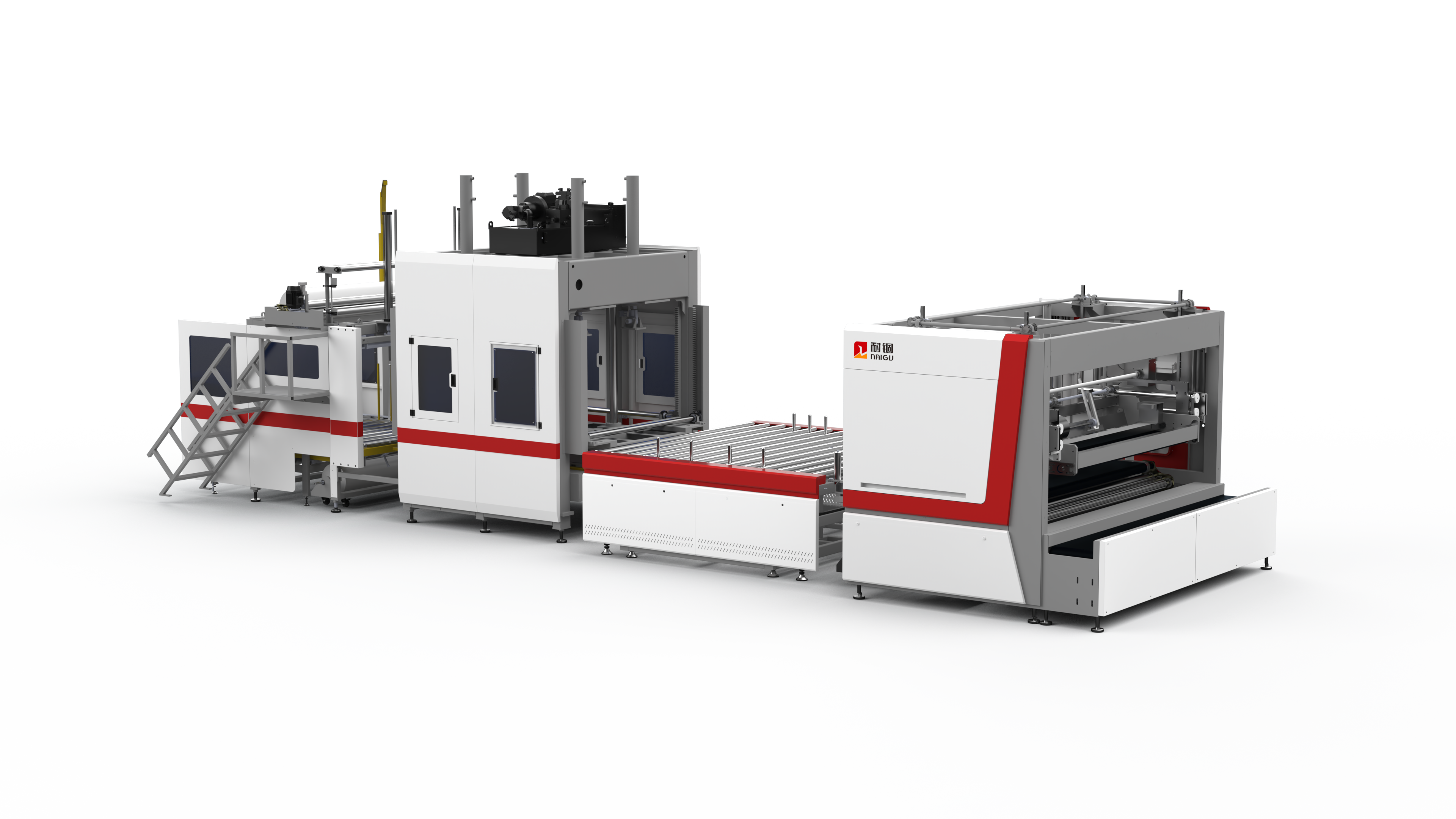
The final package size of a compressed sofa is influenced by several interconnected factors, including sofa structure, original dimensions, foam characteristics, compression ratio, folding or rolling configuration, packing film, and machine design.
For furniture manufacturers, achieving a compact package requires more than simply increasing compression. The packing method and machine configuration must be compatible with the sofa's materials and construction.
Testing actual sofa samples is the most practical way to determine achievable package dimensions and identify a suitable compression packing solution.
NAIGU Mattress Machinery provides sofa compression and roll packing equipment for furniture manufacturers looking to improve packing efficiency and transportation space utilization.
Different sofa designs require different packing configurations. NAIGU can help evaluate product dimensions, material characteristics, and production requirements to identify a suitable machine solution.
Planning to compress and roll-pack your sofas? Contact NAIGU to discuss your sofa specifications and request a packing solution.