Categories
Quilting Machine vs Manual Quilting: Cost Comparison for Mattress Manufacturers |NAIGU
Compare quilting machines and manual quilting in terms of cost, labor, production efficiency, quality, material waste, and long-term ROI. Learn which quilting solution is more suitable for small workshops and growing mattress manufacturers.
Aug 28th,2026
61 Views
Quilting is an important process in mattress manufacturing because it affects the appearance, comfort, durability, and overall quality of the finished mattress. For small workshops and growing mattress factories, one important question is whether to continue with manual quilting or invest in a quilting machine.
While manual quilting may require less investment at the beginning, quilting machines can provide higher production efficiency, more consistent quality, and lower labor costs over time. Understanding the total cost of both options can help mattress manufacturers choose the right production solution.
What Is Manual Quilting?
Manual quilting relies heavily on skilled workers to control the quilting process. Depending on the production method, operators may need to perform fabric positioning, pattern alignment, stitching, and quality inspection manually.
Manual quilting can be suitable for:
-
Small-scale mattress workshops
-
Low-volume production
-
Customized mattress orders
-
Manufacturers with limited automation requirements
-
Early-stage businesses testing the market
The main advantage is the relatively low initial investment. However, manual quilting usually requires more labor and may have limitations in production speed and consistency.
What Is a Quilting Machine?
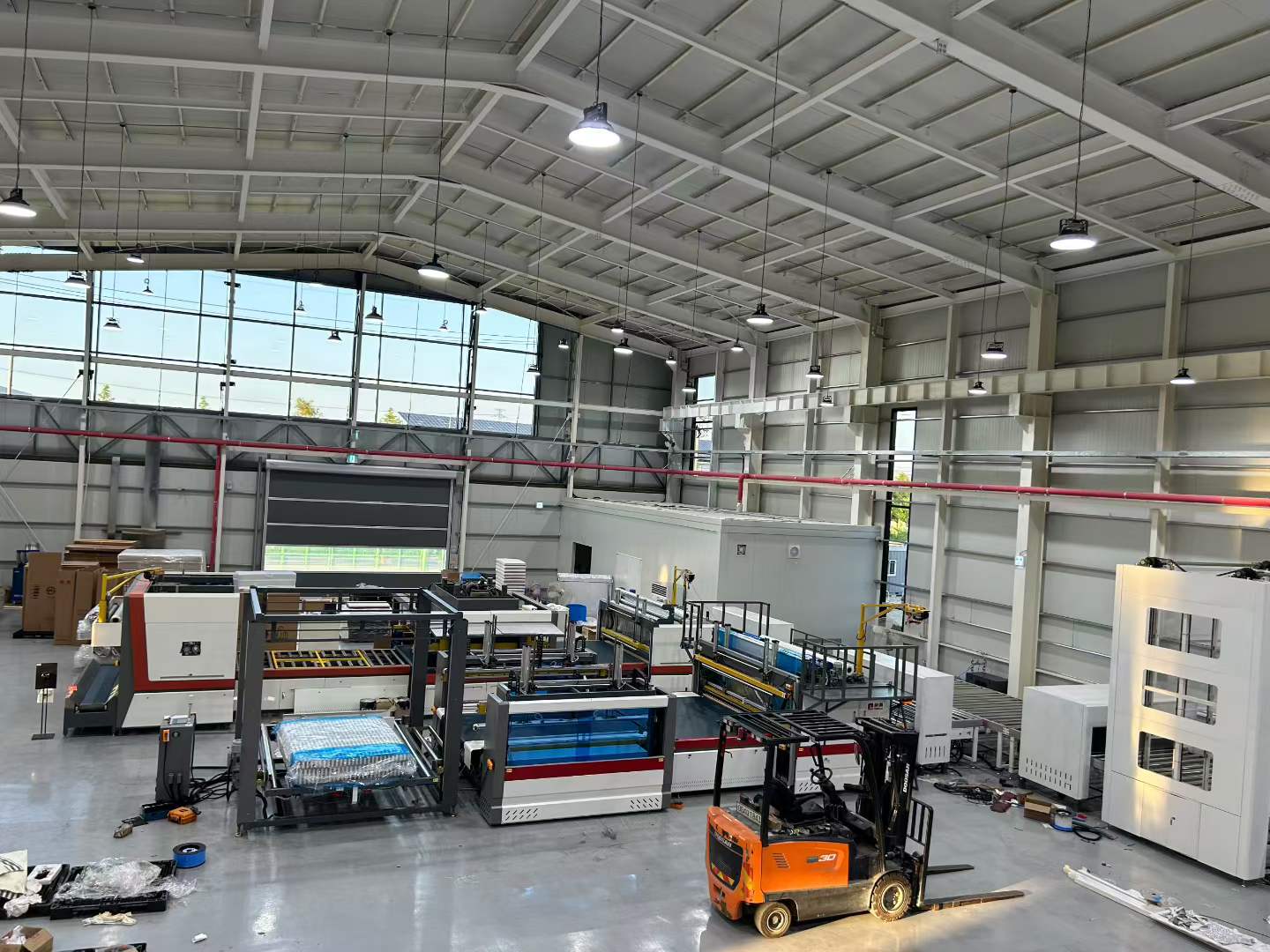
A quilting machine is designed to automate or semi-automate the process of stitching multiple layers of mattress fabric and padding materials according to a selected quilting pattern.
Modern quilting machines can help manufacturers improve:
-
Production speed
-
Stitching consistency
-
Pattern accuracy
-
Fabric utilization
-
Labor efficiency
-
Overall production capacity
For mattress factories producing medium or large volumes, a quilting machine can become an important part of an automated mattress production line.
Initial Cost Comparison
The first major difference between manual quilting and machine quilting is the initial investment.
Manual quilting requires fewer machines and may have lower equipment costs. A small workshop can begin production with basic sewing and quilting equipment and gradually expand.
A quilting machine requires a higher initial investment. The actual cost depends on machine type, working width, quilting speed, pattern functions, automation level, and configuration.
However, equipment price should not be the only factor considered.
A better approach is to calculate the total cost of ownership, including labor, maintenance, electricity, material waste, production capacity, and expected service life.
Labor Cost: Manual vs Machine Quilting
Labor is often one of the biggest long-term costs in mattress manufacturing.
Manual quilting requires operators to perform more production steps. As order volume increases, manufacturers may need additional workers to maintain production capacity.
A quilting machine can reduce the amount of manual work required for repetitive quilting operations. One operator may be able to manage a larger amount of production depending on the machine configuration and workflow.
For factories facing rising labor costs, automation can therefore provide significant long-term savings.
Example
Consider a mattress factory producing thousands of quilted mattress covers every month.
With manual quilting, production may require several skilled workers. If production volume increases, labor requirements may also increase.
With a quilting machine, the factory can increase output without increasing labor at the same rate.
This means the cost per finished mattress cover can decrease as machine utilization increases.
Production Efficiency
Production speed is another major difference.
Manual quilting depends on operator skill and working speed. Different operators may produce different results, which can make production planning more difficult.
A quilting machine provides a more standardized production process. Once the machine is properly configured, it can continuously produce quilting patterns with consistent stitching.
Higher production efficiency is particularly valuable when manufacturers need to handle:
-
Large mattress orders
-
Export production
-
Seasonal demand
-
Multiple mattress models
-
Short delivery schedules
For high-volume factories, improved production capacity can sometimes justify the machine investment even when the initial purchase price is higher.
Quality and Consistency
Product quality also affects the real cost of quilting.
Manual quilting can produce excellent results when operated by experienced workers, but maintaining consistent quality across a large workforce can be challenging.
A quilting machine can provide more consistent:
-
Stitch spacing
-
Quilting patterns
-
Fabric alignment
-
Stitch density
-
Finished appearance
Consistent quality can reduce rework and rejected products, helping manufacturers control hidden production costs.
Material Waste
Material waste is another factor that should be included in a quilting cost comparison.
Manual operations may result in more variation in fabric positioning and cutting or stitching accuracy. Even small amounts of waste can become significant when production volumes are high.
Machine-based production can improve process consistency and help manufacturers control material usage.
For factories processing large quantities of mattress fabric every day, reducing material waste by even a small percentage can contribute to meaningful annual savings.
Maintenance and Operating Costs
Manual quilting generally has relatively simple equipment requirements, but labor remains an ongoing expense.
Quilting machines require regular maintenance, including inspection of moving components, lubrication where applicable, needle and thread management, electrical system checks, and replacement of wear parts.
Electricity is also an operating cost, although the actual consumption depends on machine specifications and operating hours.
Manufacturers should compare these expenses with the labor savings and additional production capacity generated by the machine.
When Is Manual Quilting More Cost-Effective?
Manual quilting may be the better choice when:
-
Production volume is very low
-
Labor costs are relatively low
-
Orders are highly customized
-
Initial investment is limited
-
The factory is still developing its production process
For small workshops, avoiding a large initial equipment investment may be more important than maximizing production efficiency.
When Is a Quilting Machine More Cost-Effective?
A quilting machine becomes more attractive when:
-
Monthly production volume is increasing
-
Labor costs are rising
-
The factory needs consistent quality
-
Large orders are becoming more common
-
Delivery times need to be shortened
-
The manufacturer plans to expand production
-
The factory wants to build an automated mattress production line
In these situations, the machine should be evaluated as a long-term production investment rather than simply as an equipment purchase.
How to Calculate the Return on Investment
Manufacturers can estimate the potential return on investment using several key figures:
Machine ROI = Labor Savings + Additional Production Value + Waste Reduction − Machine Operating Costs
For a more detailed calculation, manufacturers should consider:
-
Machine purchase price
-
Installation and training costs
-
Number of operators required
-
Labor cost per worker
-
Monthly production volume
-
Machine operating hours
-
Electricity consumption
-
Maintenance costs
-
Material waste
-
Expected machine service life
For example, if a quilting machine allows a factory to produce significantly more mattress covers with fewer operators, the additional production capacity and labor savings can gradually offset the initial equipment investment.
Quilting Machine vs Manual Quilting: Which Should You Choose?
There is no single solution for every mattress manufacturer.
Factor
|
Manual Quilting
|
Quilting Machine
|
Initial Investment
|
Lower
|
Higher
|
Labor Requirement
|
Higher
|
Lower
|
Production Speed
|
Lower
|
Higher
|
Quality Consistency
|
Depends on operator
|
More consistent
|
Large-Volume Production
|
Less suitable
|
Highly suitable
|
Customized Production
|
Flexible
|
Depends on machine
|
Long-Term Labor Cost
|
Higher
|
Lower
|
Production Expansion
|
Limited
|
Easier to scale
|
For small-volume production, manual quilting may remain practical. For medium- and large-scale mattress factories, however, investing in a quilting machine can provide better long-term production economics.
Choosing the Right Quilting Solution for Your Factory
Before purchasing a quilting machine, manufacturers should evaluate their current and future production requirements.
Important factors include:
-
Mattress production volume
-
Fabric width
-
Required quilting patterns
-
Production speed
-
Available factory space
-
Number of operators
-
Automation requirements
-
Future expansion plans
A machine should be selected based on the complete production process rather than simply choosing the machine with the lowest purchase price.
Build a More Efficient Mattress Production Line
Quilting is only one stage of mattress manufacturing. For manufacturers looking to improve overall factory efficiency, quilting equipment can be integrated with other production processes such as mattress assembly, tape edging, compression, roll packing, and packing.
A properly designed mattress production line can reduce manual handling, improve workflow, and create a more stable production capacity.
For factories planning automation, it is important to consider how each machine will connect with the next production stage.
Conclusion
The cost difference between manual quilting and machine quilting goes beyond the initial equipment price.
Manual quilting may have a lower starting cost, but higher labor requirements, slower production, and potential quality variation can increase the long-term cost as production grows.
A quilting machine requires greater initial investment but can provide higher productivity, more consistent quality, lower labor requirements, and better scalability.
For mattress manufacturers with growing production volumes, comparing total cost of ownership and expected ROI is often a better approach than comparing equipment prices alone.
If your mattress factory is considering upgrading from manual quilting to machine-based production, NAIGU can help evaluate your production requirements and recommend a suitable quilting and mattress production solution.


