Categories
How to Evaluate Mattress Packaging Equipment Suppliers |NAIGU
Learn how to evaluate mattress packaging equipment suppliers by comparing machine quality, manufacturing experience, technical specifications, packing performance, after-sales service, spare parts, delivery, and total cost. This guide helps mattress manufacturers choose a reliable supplier and make a more informed equipment investment.
Aug 28th,2026
69 Views
Choosing the right mattress packaging equipment supplier is an important decision for mattress manufacturers. The supplier you select can affect machine performance, production efficiency, packing quality, maintenance costs, and long-term factory productivity.
With many manufacturers and trading companies offering mattress packing machines, it can be difficult to determine which supplier is reliable. Instead of comparing equipment prices alone, buyers should evaluate the supplier's manufacturing capabilities, technical expertise, machine quality, service, and industry experience.
This guide explains the key factors mattress factories should consider when evaluating a mattress packaging equipment supplier.
1. Check the Supplier's Manufacturing Experience
The first step is to understand how long the supplier has been involved in mattress machinery manufacturing.
An experienced supplier is more likely to understand the different requirements of mattress factories, including mattress sizes, foam types, spring mattresses, production volumes, and export packing requirements.
Look for information such as:
-
Years of manufacturing experience
-
Factory location and production area
-
Number of employees
-
Main product categories
-
Export markets
-
Number of customers served
-
Mattress industry experience
A supplier specializing in mattress machinery is generally better positioned to provide a complete solution than a company that simply resells machines from different manufacturers.
2. Visit or Verify the Factory
A professional factory should be able to provide clear information about its manufacturing facilities.
If possible, buyers can request:
-
Factory videos
-
Production line photos
-
Machine assembly videos
-
Factory tour videos
-
Live video inspections
-
Customer factory references
A factory visit or live video inspection can help verify whether the supplier actually manufactures the equipment.
This is especially important for large investments such as automatic mattress packing machines and complete mattress production lines.
3. Evaluate the Mattress Packing Machine Specifications
Do not compare machines based only on their advertised speed.
Different suppliers may use different testing conditions when describing production capacity.
Important specifications include:
-
Suitable mattress dimensions
-
Mattress thickness range
-
Maximum mattress weight
-
Packing method
-
Compression ratio
-
Roll diameter
-
Packing speed
-
Film specifications
-
Machine dimensions
-
Power requirements
-
Automation level
Ask the supplier to explain how the machine performs with your actual mattress products.
For example, a machine designed for thin foam mattresses may not provide the same performance when processing thick spring mattresses.
4. Ask for Real Machine Videos
Photos are useful, but videos provide more information about machine performance.
A good supplier should be able to provide videos showing the machine during actual operation.
Pay attention to:
-
Mattress feeding
-
Compression
-
Film wrapping
-
Sealing or cutting
-
Rolling
-
Finished mattress dimensions
-
Operator involvement
-
Overall production flow
If possible, request a video of a mattress similar to your own product being packed.
This can help you determine whether the machine is suitable before making a purchasing decision.
5. Compare Total Cost Instead of Machine Price
Price is important, but the lowest quotation is not always the most economical option.
When comparing suppliers, consider the total cost of ownership, including:
-
Machine purchase price
-
Shipping cost
-
Installation
-
Training
-
Spare parts
-
Maintenance
-
Electricity consumption
-
Film consumption
-
Labor requirements
-
Expected service life
A slightly more expensive machine may provide better value if it reduces labor costs, improves packing efficiency, and requires less maintenance.
6. Evaluate Packing Film Compatibility
The packing machine and packing film need to work together properly.
Ask the supplier about recommended film specifications, including:
-
Film material
-
Film thickness
-
Film width
-
Film strength
-
Stretchability
-
Sealing characteristics
-
Film consumption
For mattress compression roll packing, the right film can affect compression performance, package stability, and transportation safety.
Suppliers with experience in both mattress packing machines and packing film can often provide more practical recommendations.
7. Check Automation and Production Integration
If your factory plans to increase production, consider whether the equipment can be integrated into a larger production process.
For example, a mattress factory may want to connect:
Mattress Production → Quilting → Assembly → Tape Edging → Compression → Roll Packing
A supplier with experience in complete production solutions can help manufacturers plan equipment layouts and production workflows.
This is particularly important for factories planning future automation.
8. Review After-Sales Service
After-sales service is one of the most important factors when purchasing industrial equipment.
Before placing an order, ask:
-
Is remote technical support available?
-
Does the supplier provide installation guidance?
-
Is operator training included?
-
How quickly can technical problems be handled?
-
Are spare parts readily available?
-
What is the warranty period?
-
Can engineers provide on-site service when required?
A reliable supplier should provide clear after-sales procedures instead of simply selling the machine and leaving the customer to operate it independently.
9. Check Spare Parts Availability
Even high-quality machinery requires maintenance and replacement parts over time.
Ask the supplier about the availability of common spare parts such as:
-
Cutting components
-
Sealing components
-
Sensors
-
Belts
-
Bearings
-
Electrical components
-
Pneumatic components
A supplier with an organized spare parts system can help reduce unexpected production downtime.
10. Look at Customer References and Case Studies
Customer references can provide valuable information that supplier brochures cannot.
Ask whether the supplier has supplied machines to factories with similar:
-
Mattress types
-
Production volumes
-
Mattress sizes
-
Export requirements
-
Automation goals
Customer case studies can also help you understand how the machine performs after installation.
When evaluating references, focus on measurable results such as increased production capacity, reduced labor requirements, improved packing consistency, and lower logistics costs.
11. Check Communication and Technical Support
Good communication is particularly important for international equipment purchases.
During the quotation process, evaluate whether the supplier:
-
Responds quickly
-
Understands your requirements
-
Provides detailed technical information
-
Explains machine limitations honestly
-
Answers technical questions clearly
-
Offers practical recommendations
If communication is difficult before the order, after-sales communication may become even more challenging.
A professional supplier should act as a technical partner rather than simply a salesperson.
12. Understand Delivery and Installation Requirements
Before ordering, confirm the expected production and delivery schedule.
Important points include:
-
Manufacturing lead time
-
Shipping method
-
Machine packing
-
Installation requirements
-
Factory space requirements
-
Power requirements
-
Operator training
-
Commissioning process
For overseas customers, the supplier should also provide clear shipping and installation instructions.
13. Compare Suppliers Using a Practical Checklist
A simple supplier evaluation table can make the purchasing process easier.
Evaluation Factor
|
Key Question
|
Manufacturing Experience
|
Does the supplier specialize in mattress machinery?
|
Factory Capability
|
Can the supplier demonstrate its actual factory?
|
Machine Performance
|
Does the machine match your mattress specifications?
|
Packing Quality
|
Can it provide stable and consistent packing results?
|
Film Compatibility
|
Does the machine work with suitable packing film?
|
Automation
|
Can the machine support future production expansion?
|
Customer References
|
Does the supplier have relevant factory cases?
|
After-Sales Service
|
Is technical support available after installation?
|
Spare Parts
|
Are replacement parts readily available?
|
Delivery
|
Is the production and shipping schedule clearly defined?
|
Total Cost
|
What is the long-term cost of ownership?
|
Common Mistakes When Choosing a Mattress Packaging Equipment Supplier
Some buyers focus too heavily on the initial machine price.
Other common mistakes include:
Choosing the Cheapest Supplier
A low quotation may come with lower automation, fewer features, limited service, or higher long-term maintenance costs.
Ignoring Machine Testing
Always try to evaluate the machine using your actual mattress specifications whenever possible.
Not Checking After-Sales Support
A machine is a long-term investment. Technical support can be just as important as the machine itself.
Comparing Different Configurations
Two machines may look similar but have different motors, control systems, compression systems, automation levels, or packing capacities.
Always compare complete technical specifications rather than price alone.
Final Thoughts
Selecting a reliable mattress packaging equipment supplier requires more than comparing quotations. Mattress manufacturers should evaluate manufacturing experience, machine specifications, packing performance, film compatibility, automation capabilities, customer references, after-sales service, spare parts, and total operating costs.
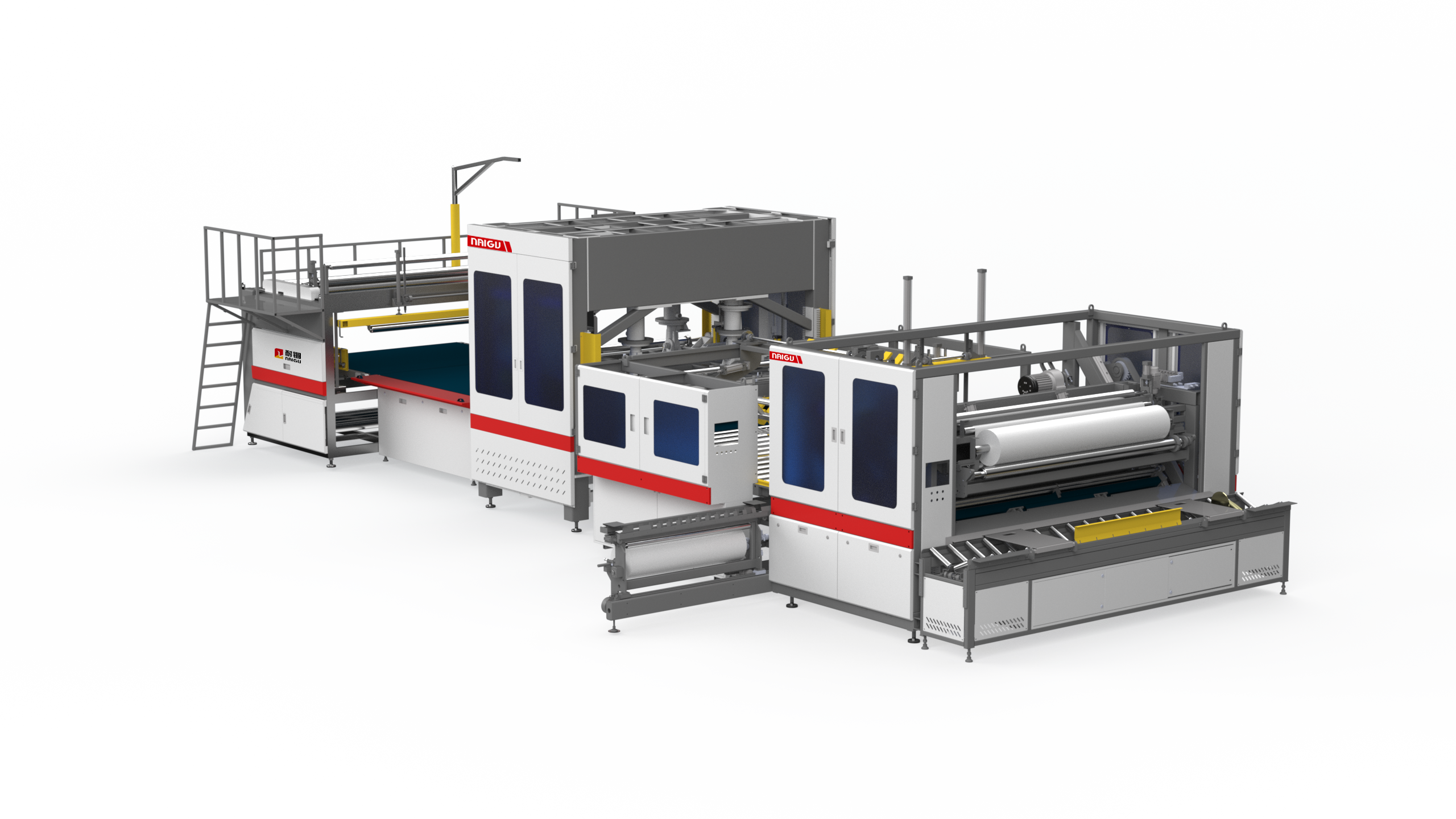
The right supplier should be able to provide not only a machine but also technical guidance, installation support, training, and long-term service.
For mattress factories planning to improve packing efficiency or build a more automated production line, choosing an experienced machinery manufacturer can help reduce purchasing risks and create a more reliable production process.
NAIGU provides mattress packing machines, compression roll packing solutions, and mattress production equipment for manufacturers worldwide. Contact our team to discuss your mattress packing requirements and find a suitable solution for your factory.


