Categories
How Roll Packing Helps Furniture Exporters Maximize Container Space |NAIGU
Discover how roll packing helps furniture exporters reduce product volume, maximize container space, increase loading capacity, and lower freight costs. Learn how sofa compression roll packing can improve logistics efficiency for international furniture distribution.
Aug 28th,2026
97 Views
For furniture exporters, transportation costs can have a major impact on overall profitability. Sofas and other upholstered furniture are often large and bulky, which means traditional packing methods can leave significant unused space inside shipping containers.
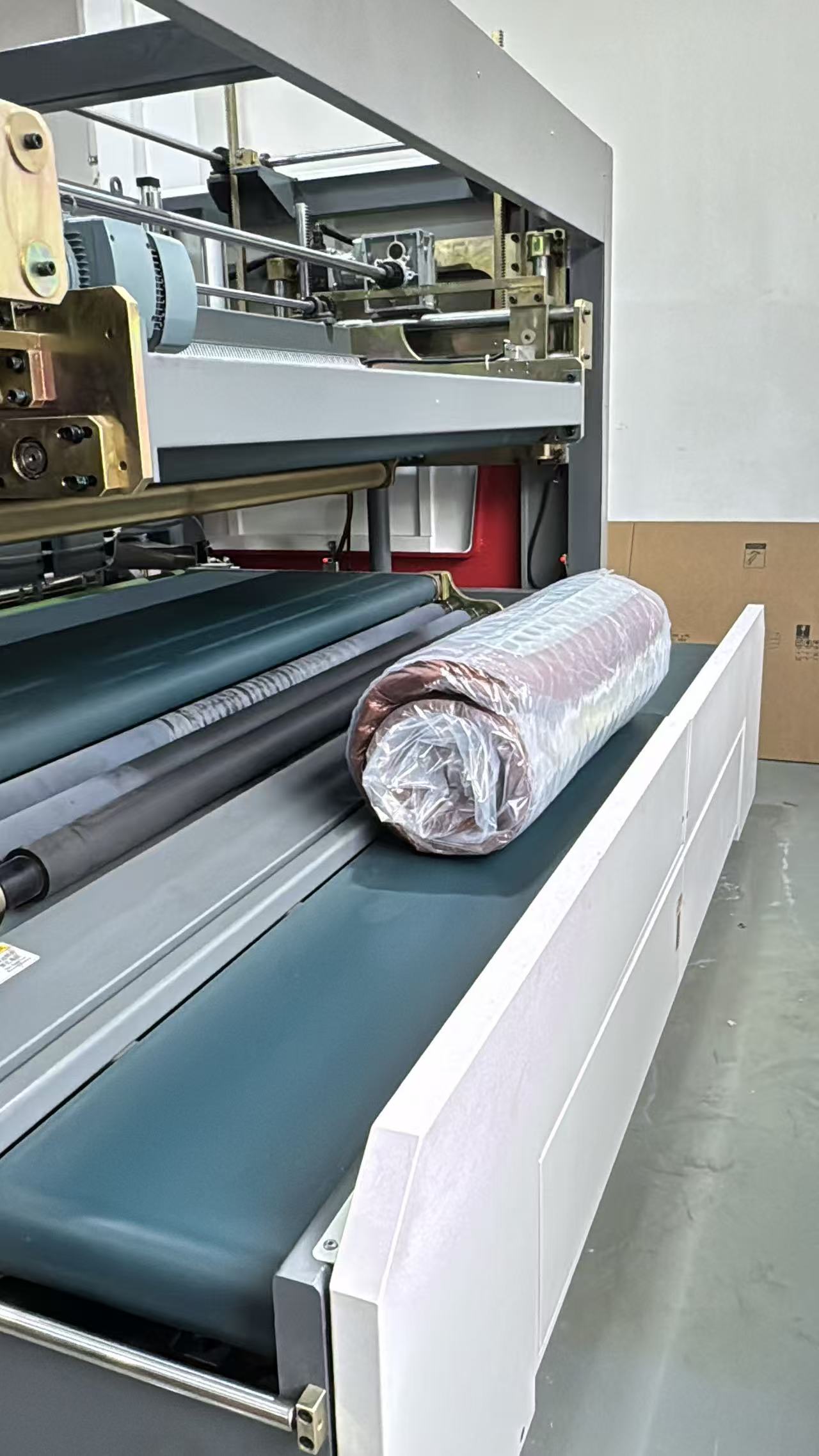
Roll packing technology provides a practical solution by compressing and rolling certain furniture products into smaller packages. By reducing the packed volume, furniture manufacturers and exporters can load more products into each container, helping reduce transportation costs and improve shipping efficiency.
Why Container Space Matters for Furniture Exporters
International furniture transportation is usually calculated based on container capacity, shipping rates, and logistics requirements. When furniture products occupy a large amount of space, exporters may reach the container's volume limit before reaching its maximum weight capacity.
This creates a major challenge for bulky products such as:
-
Sofas
-
Fabric sofas
-
Modular sofas
-
Upholstered furniture
-
Foam furniture
-
Sofa cushions
-
Other compressible furniture products
If products can be compressed safely, the same container can potentially carry more units.
What Is Furniture Roll Packing?
Furniture roll packing is a packing method that uses compression and rolling technology to reduce the volume of suitable furniture products.
During the process, the furniture is compressed and wrapped with suitable packing film before being rolled into a compact package.
A typical process may include:
Furniture Feeding → Compression → Film Wrapping → Sealing/Cutting → Rolling → Finished Package
The exact process depends on the furniture structure, materials, dimensions, and machine configuration.
How Roll Packing Maximizes Container Space
The main benefit of roll packing is volume reduction.
A traditional sofa may have a large irregular shape, making it difficult to arrange efficiently inside a container. After suitable compression and roll packing, the product becomes more compact and easier to arrange.
This can help exporters:
-
Reduce unused container space
-
Increase loading density
-
Load more furniture units
-
Improve container utilization
-
Reduce transportation cost per unit
For exporters shipping large quantities internationally, even a small reduction in average packed volume can create significant logistics benefits.
More Products per Container
One of the most important advantages of roll packing is the possibility of increasing the number of products loaded into a container.
For example, imagine a furniture exporter shipping a large quantity of modular sofas to an overseas distributor.
With conventional packing, each sofa may occupy a significant amount of space because of its cushions, frame, and overall shape.
With compression roll packing, suitable sofa components can be compressed into smaller packages. This allows the exporter to make better use of the container's available volume.
The actual increase in loading quantity depends on the sofa design, compression ratio, package dimensions, container type, and loading method.
Lower Freight Cost per Sofa
Container transportation costs are generally associated with the shipment rather than simply the number of products.
If an exporter can load more sofas into the same container, the average freight cost allocated to each sofa can decrease.
For example:
Freight Cost per Unit = Total Container Freight Cost ÷ Number of Units Loaded
Increasing the number of units per container can therefore reduce the average transportation cost per unit.
This can be especially valuable for furniture exporters competing in price-sensitive international markets.
Better Container Loading Efficiency
Roll-packed furniture can also make container loading more organized.
Compact packages are generally easier to arrange than large irregular furniture shapes. Exporters can plan package dimensions and loading layouts more efficiently.
Better loading organization can help reduce:
-
Empty spaces
-
Difficult loading areas
-
Unstable stacking
-
Manual handling time
-
Container loading inefficiency
For high-volume exporters, standardized package dimensions can also simplify warehouse and logistics planning.
Supporting Global Furniture Distribution
Furniture exporters often ship products across long distances to distributors, wholesalers, retailers, and e-commerce warehouses.
Reducing package volume can provide advantages throughout the supply chain.
A smaller package can require less warehouse space before shipment and can make transportation and handling more efficient.
This makes sofa compression roll packing particularly useful for manufacturers developing export-oriented furniture products.
Roll Packing Can Support E-Commerce Furniture
The growth of online furniture sales has increased demand for more efficient furniture transportation.
Large sofas can create challenges for e-commerce businesses because shipping bulky products is expensive.
Compression and roll packing can help suitable sofa designs become more compact for transportation.
This can support:
-
Online furniture retailers
-
Direct-to-consumer furniture brands
-
Cross-border e-commerce businesses
-
Furniture wholesalers
-
International distributors
Compact packing can help companies control logistics costs while making furniture easier to store and transport.
Product Design Matters
Not every sofa can be compressed and rolled in the same way.
Before investing in a sofa compression roll packing machine, manufacturers should evaluate:
-
Sofa frame construction
-
Foam type
-
Foam density
-
Upholstery materials
-
Sofa dimensions
-
Modular design
-
Cushion structure
-
Recovery characteristics after compression
Furniture that contains rigid components may require a different packing method from furniture made primarily from flexible foam and fabric.
Therefore, product testing is an important step before selecting equipment.
Choosing the Right Compression Film
Packing film is another important part of the roll packing process.
The film must provide sufficient strength and flexibility during compression and rolling.
Important film properties may include:
-
Tensile strength
-
Puncture resistance
-
Stretchability
-
Thickness
-
Sealing performance
-
Transparency
-
Recovery performance
The appropriate film specification depends on the furniture product and machine configuration.
Using a suitable film can help maintain package integrity during transportation and storage.
Automation Improves Packing Efficiency
Manual compression and wrapping can be suitable for small production volumes, but it becomes more difficult to maintain consistent efficiency as order quantities increase.
An automated or semi-automatic furniture compression packing machine can help standardize the packing process.
Depending on the machine configuration, automation can reduce repetitive manual work and improve:
-
Packing speed
-
Compression consistency
-
Package dimensions
-
Film usage
-
Labor efficiency
-
Production capacity
For growing furniture factories, automation can become an important part of an overall production improvement strategy.
How to Evaluate the Potential Savings
Furniture exporters can estimate the potential logistics benefits of roll packing by comparing packed volume before and after compression.
A basic calculation is:
Container Utilization = Total Packed Product Volume ÷ Available Container Volume
Exporters can then compare:
-
Units per container
-
Freight cost per unit
-
Packed volume per sofa
-
Film consumption
-
Labor cost
-
Warehouse space
-
Loading time
This provides a more accurate picture of the financial benefits than simply looking at the machine purchase price.
Roll Packing vs Traditional Furniture Packing
Factor
|
Traditional Packing
|
Roll Packing
|
Packed Volume
|
Larger
|
Reduced
|
Container Utilization
|
Lower
|
Higher
|
Units per Container
|
Lower
|
Potentially higher
|
Freight Cost per Unit
|
Higher
|
Potentially lower
|
Loading Efficiency
|
Moderate
|
Improved
|
Labor Requirement
|
Higher
|
Can be reduced
|
Package Shape
|
Bulky/irregular
|
More compact
|
Export Logistics
|
Less efficient
|
More efficient
|
The actual results depend on furniture design, packing materials, compression settings, and machine configuration.
Conclusion
For furniture exporters, maximizing container space is an important way to improve international shipping efficiency and control logistics costs.
Roll packing can reduce the packed volume of suitable sofas and upholstered furniture, allowing exporters to make better use of available container space. Higher loading density can potentially increase the number of units shipped per container and reduce the average freight cost per product.
However, successful roll packing requires the right combination of furniture design, compression technology, packing film, and machine configuration.
For furniture manufacturers planning to expand international distribution, investing in a suitable sofa compression roll packing machine can be an effective way to improve packing efficiency and optimize global logistics.
NAIGU provides sofa compression roll packing machines and furniture packing solutions for manufacturers and exporters. Contact our team to discuss your furniture specifications and container loading requirements.


