Categories
How Manufacturers Optimize Film Usage with Automatic Packing Machines |NAIGU
Learn how manufacturers can optimize film usage with automatic packing machines through film selection, machine adjustment, maintenance, and waste reduction.
Oct 14th,2026
8 Views
Packing film is an important recurring expense for mattress and sofa manufacturers. When production volumes are high, even small amounts of unnecessary film used per product can increase annual material costs.
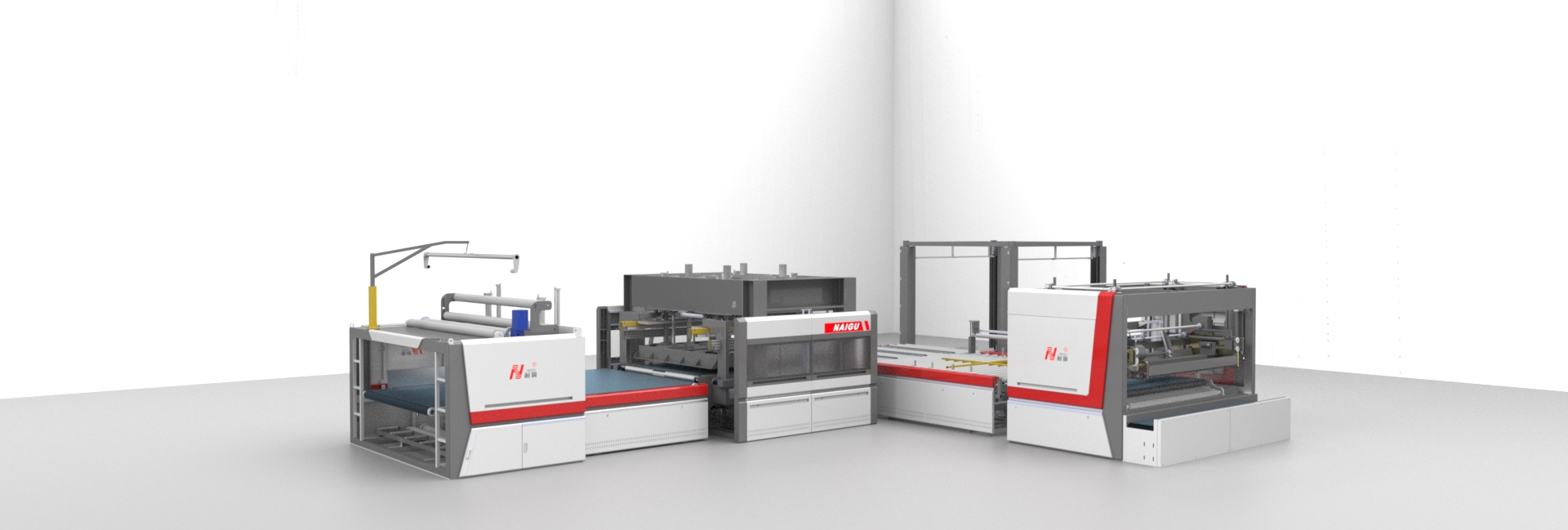
Automatic packing machines help manufacturers standardize the packing process, control film feeding, and improve material utilization. However, reducing film consumption requires more than simply choosing thinner film. The machine, packing material, product dimensions, and operating parameters must work together.
Here are several practical ways manufacturers can optimize film usage with automatic packing machines.
1. Match Film Specifications to the Product and Machine
Choosing the right packing film is the first step toward improving material efficiency. Film width, thickness, flexibility, tensile strength, and sealing performance can all affect how the material behaves during automatic packing.
For mattress and sofa packing, manufacturers should consider product dimensions, compression requirements, machine specifications, and transportation conditions before selecting film.
Using film that is wider or thicker than necessary may increase material consumption. However, reducing film thickness without testing can lead to tearing, poor sealing, or package damage.
The objective is to find a suitable film specification that balances material cost, packing performance, and product protection.
2. Optimize Film Width and Length
Incorrect film dimensions can result in unnecessary material use. If the film is wider or longer than required for the product and packing method, the excess material adds cost without necessarily improving protection.
Manufacturers should evaluate film dimensions based on the actual product range and the machine's wrapping or sealing method.
For automatic mattress packing machines, film specifications should be matched to mattress width, thickness, and the required finished package. For sofa compression roll packing machines, the film must also accommodate the product's compressed shape and rolling process.
Testing representative products can help identify suitable film dimensions while maintaining sufficient coverage and reliable sealing.
3. Adjust Machine Settings for Consistent Film Feeding
Stable film feeding is essential for controlling material consumption. Incorrect tension, misaligned rollers, or inconsistent feeding can cause wrinkles, film displacement, tearing, and unnecessary waste.
Manufacturers should follow the machine supplier's recommended setup procedures and check film alignment regularly.
Depending on the machine design, relevant adjustments may include:
-
Film feeding tension
-
Film alignment and positioning
-
Cutting length
-
Wrapping parameters
-
Sealing temperature and time
The correct settings depend on the film material and equipment configuration. Changes should be tested carefully to ensure that packing quality and machine stability remain consistent.
4. Reduce Film Waste During Product Changeovers
Factories that process multiple mattress or sofa models may need to change machine settings frequently. Each changeover can create film waste during setup and trial packing.
Manufacturers can reduce this waste by standardizing settings for frequently produced models and keeping clear records of approved machine parameters.
A practical process includes recording product dimensions, compatible film specifications, wrapping settings, and sealing parameters. Operators can then use the appropriate settings when switching between products.
Where supported by the equipment, preset programs or automatic adjustments can further simplify changeovers and improve consistency.
5. Maintain Reliable Sealing and Cutting Performance
Sealing and cutting defects can cause rejected packages and wasted film. Common contributing factors include unsuitable temperature settings, worn components, incorrect timing, and inconsistent film positioning.
Regular inspection of sealing and cutting components helps identify problems before they create repeated waste.
Manufacturers should also ensure that sealing parameters are suitable for the selected film. Excessive heat or inappropriate settings may damage the film, while insufficient heat can result in weak seals.
A stable sealing process helps reduce rework and improves the proportion of film that becomes a finished, acceptable package.
6. Use Film Thickness Appropriate for Packing Requirements
Reducing film thickness can lower material consumption, but the thinnest option is not automatically the most economical.
Film must withstand the stresses associated with wrapping, compression, handling, storage, and transportation. If a thinner film causes frequent breaks or package failures, the resulting waste and downtime may outweigh the material savings.
Manufacturers should compare film options through controlled production trials. Evaluate film consumption per product, sealing performance, package integrity, and the frequency of packing defects.
The best choice is the film that meets the required performance standards with efficient material usage.
7. Monitor Film Consumption Per Packed Product
Measuring film consumption helps manufacturers identify inefficiencies and verify whether adjustments are delivering results.
Useful indicators include:
-
Film weight or length used per packed product
-
Film waste during machine setup
-
Film breakage frequency
-
Rejected package rate
-
Packing material cost per unit
For a reliable comparison, use the same product type and comparable production conditions.
Film cost per product = Total film cost consumed ÷ Number of acceptable packed products
This calculation should include setup waste and rejected packages when measuring actual production performance. Tracking the results over time helps manufacturers determine which process changes produce meaningful savings.
8. Schedule Preventive Maintenance
Machine condition directly affects film utilization. Worn rollers, damaged cutting blades, misaligned components, or malfunctioning sensors can cause feeding problems and packing defects.
Preventive maintenance helps maintain stable operation and reduce avoidable film waste.
Manufacturers should follow the supplier's maintenance schedule, clean relevant components, inspect film-feeding mechanisms, and replace worn parts when necessary.
Operators should also report recurring film breaks or sealing problems promptly rather than compensating for mechanical issues by using more material.
9. Coordinate Packing Film with Automation
Automatic packing machines and packing film should be evaluated as one system. A film that performs well in manual packing may not necessarily deliver the same results at higher machine speeds or under compression.
Before introducing a new film specification, manufacturers should confirm compatibility with the machine and test it under realistic production conditions.
For mattress factories, this may involve checking film feeding, sealing, and finished-package quality. For sofa factories using compression roll packing machines, testing should also consider the film's performance during compression and rolling.
Coordinating film selection with machine settings helps maintain stable production while controlling material consumption.
10. Choose an Automatic Packing Solution That Fits Your Production
The ability to optimize film usage depends on several factors, including machine design, product dimensions, film specifications, operator practices, and maintenance.
An appropriate automatic packing machine can help standardize packing operations and reduce avoidable material waste. However, actual savings depend on the factory's starting conditions, equipment configuration, and packing requirements.
NAIGU Mattress Machinery provides mattress and sofa packing equipment for manufacturers with different production needs. By evaluating your product specifications, daily output, and film requirements, you can identify a suitable packing solution for your factory.
Contact NAIGU to discuss your mattress or sofa packing requirements and explore a suitable automatic packing solution.


