Categories
How Manufacturers Optimize Mattress Roll Packing for Export Orders |NAIGU
Learn how mattress manufacturers can optimize roll packing for export orders through suitable compression, film selection, consistent package sizes, and efficient container loading.
Oct 14th,2026
10 Views
How Manufacturers Optimize Mattress Roll Packing for Export Orders
For mattress manufacturers serving international markets, efficient roll packing is essential for controlling shipping costs, protecting products, and meeting export delivery requirements. Properly compressed and rolled mattresses can reduce package volume, improve container utilization, and simplify warehouse handling.
However, optimizing mattress roll packing for export orders requires more than reducing the final package size. Manufacturers must also consider mattress materials, packing film performance, transportation conditions, and the requirements of overseas customers.
Here are several practical ways to optimize mattress roll packing for export orders.
1. Choose the Right Compression and Roll Packing Method
Different mattress types require different packing methods. Foam mattresses are commonly suitable for compression and roll packing, while latex, pocket spring, and hybrid mattresses require careful evaluation of their construction and material characteristics.
Before selecting a mattress roll packing machine, manufacturers should confirm the mattress dimensions, thickness, material composition, and acceptable compression limits.
The packing method should achieve the required package dimensions without compromising mattress quality or recovery performance. Product testing helps determine suitable compression and rolling parameters before large export orders enter production.
2. Optimize Finished Roll Dimensions
Finished roll dimensions directly affect storage, handling, and transportation planning. A compact package may help manufacturers use container space more efficiently, but the target dimensions must remain compatible with product specifications and customer requirements.
To optimize roll size, manufacturers should evaluate:
-
Mattress length, width, and thickness
-
Material density and compression characteristics
-
Target roll diameter and package length
-
Carton or outer-pack dimensions, if required
-
Warehouse stacking and loading arrangements
A mattress compression roll packing machine should be selected according to the required product range and target package specifications rather than maximum compression alone.
3. Select Suitable Mattress Packing Film
Packing film helps protect mattresses during handling, storage, and transportation. For export orders, the film must be compatible with the packing machine and suitable for the expected packing and distribution conditions.
Important factors include film thickness, width, flexibility, strength, sealing performance, and resistance to tearing.
Using unsuitable film may result in broken packages, poor seals, or additional material waste. Conversely, using a thicker film than necessary can increase packing costs without delivering meaningful additional protection.
Manufacturers should test film specifications under actual production conditions and confirm compatibility with the compression and roll packing process.
4. Improve Container Loading Efficiency
Shipping costs are an important consideration for mattress exporters. Efficient roll packing can help reduce package volume and improve the use of available container space.
Manufacturers can improve loading efficiency by standardizing package dimensions, calculating the number of rolls per pallet or container, and planning the loading arrangement before production is completed.
When evaluating a packing solution, consider the finished roll dimensions together with container dimensions, handling equipment, pallet requirements, and cargo protection.
Actual loading capacity depends on package shape, container type, loading method, and applicable weight limits. Manufacturers should confirm the loading plan with their logistics provider before finalizing export specifications.
5. Standardize Packing Quality for Bulk Orders
Export customers often expect consistent packaging across large orders. Differences in roll diameter, package length, sealing quality, and film appearance can complicate inspection, storage, and distribution.
A standardized packing process helps maintain consistency across production batches.
Manufacturers should establish clear operating parameters, including compression settings, rolling conditions, film specifications, and sealing requirements. Operators should also inspect finished packages and record any recurring defects.
Using a suitable automatic mattress roll packing machine can help standardize key packing steps and reduce variation caused by inconsistent manual operations.
6. Match Packing Equipment to Export Production Volume
Export orders may involve large quantities, fixed delivery deadlines, and multiple mattress specifications. Equipment capacity should therefore match the manufacturer's expected output and order schedule.
When evaluating mattress roll packing equipment, ask the supplier about:
-
Compatible mattress sizes and thicknesses
-
Actual production capacity under comparable conditions
-
Changeover time between mattress models
-
Film feeding, sealing, and cutting functions
-
Integration with existing production equipment
-
Installation, training, and technical support
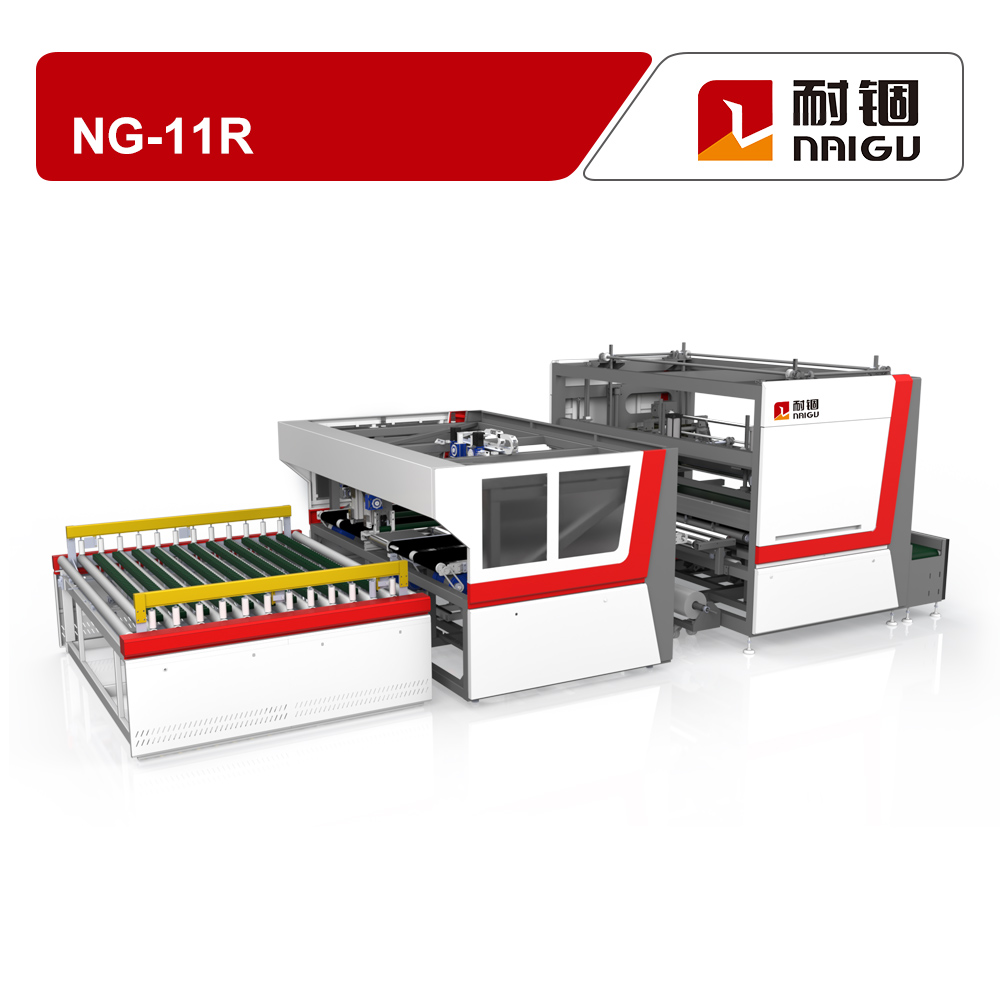
Factories handling smaller or varied orders may prefer a flexible packing setup, while high-volume manufacturers may benefit from automated equipment or an integrated packing line.
The most suitable solution is the one that meets the required output and packing standards consistently.
7. Reduce Packing Waste and Production Delays
Material waste and unexpected downtime can affect both packing costs and export delivery schedules.
Manufacturers can improve efficiency by preparing film before production, maintaining suitable machine settings for each mattress model, and scheduling preventive maintenance.
Monitoring film consumption, packing defects, machine downtime, and output per shift helps identify opportunities for improvement.
For export orders with strict deadlines, production planning should also include time for inspection, repacking if necessary, finished-goods staging, and container loading.
8. Consider Destination Market Requirements
Different overseas customers may have specific expectations for package dimensions, labels, product identification, or outer cartons. These requirements should be confirmed before production begins.
Manufacturers should communicate with buyers about the required packing method, package markings, documentation, and handling instructions. Where relevant, they should also confirm applicable import and product requirements with the customer or logistics provider.
Preparing these details in advance can reduce last-minute changes and help avoid delays during shipment preparation.
9. Evaluate Total Packing and Shipping Costs
The best export packing solution should balance machine investment, packing material consumption, labor, production efficiency, and logistics costs.
Manufacturers can compare different packing methods by evaluating:
-
Film and other packing material costs per mattress
-
Labor and electricity costs
-
Machine maintenance and downtime
-
Finished package volume
-
Estimated container utilization
-
Repacking, damage, and handling costs
A smaller roll does not automatically guarantee lower total shipping costs. The complete packing and logistics process should be evaluated using actual production and freight data.
Optimizing mattress roll packing for export orders requires coordination between product specifications, compression parameters, packing film, equipment capacity, and shipping plans.
By standardizing package dimensions, selecting suitable film, improving production consistency, and planning container loading in advance, mattress manufacturers can improve packing efficiency and manage export costs more effectively.
NAIGU Mattress Machinery provides mattress packing equipment and customized solutions for manufacturers with different production requirements. Our team can help evaluate your mattress specifications, expected production volume, target roll dimensions, and packing requirements.
Contact NAIGU Mattress Machinery to discuss your export packing needs and request a suitable mattress roll packing solution for your factory.


