
As global competition intensifies, mattress manufacturers in Southeast Asia and South America are increasingly investing in fully automated spring core lines. From Vietnam's booming bedding sector to Brazil's expanding export markets, automation is no longer a luxury but a necessity for factories that want to stay ahead. In this article, we'll examine regional industry trends, quantify the benefits with hard data, and showcase a real‑world NAIGU customer success story.
Rapid Market Growth
Southeast Asia: Countries like Vietnam, Indonesia, and Thailand have seen mattress demand grow by an average of 15% year‑over‑year as rising incomes fuel home furnishing upgrades.
South America: Brazil and Argentina report 10–12% annual growth in both domestic consumption and export orders, driven by new retail chains and e‑commerce channels.
Labor Challenges & Rising Wages
Minimum wages in Vietnam have increased by over 25% in the last three years, pushing factories to seek automation to control personnel costs.
In Brazil, social security and benefits add up to 30–35% on top of base wages, making automated lines financially attractive.
Technology Adoption
Local integrators in these regions now offer turnkey solutions for coil winding, core stacking, and block welding—enabling factories to transition within 3–6 months instead of years.
Governments in ASEAN and Mercosur member states are promoting Industry 4.0 grants and low‑interest financing for modernization projects.
When evaluating automation, manufacturers look for measurable returns. Here are the typical gains from a fully automated spring core line upgrade:
| Benefit Metric | Manual Line | Automated Line | Improvement |
|---|---|---|---|
| Throughput (coils per hour) | 1,200 | 1,800 | +50% |
| Labor Cost per 1,000 units | $350 | $200 | −43% |
| Rejection Rate (%) | 3.5% | 0.8% | −77% |
| Energy Consumption (kWh/unit) | 1.8 | 1.2 | −33% |
| ROI Payback Period | N/A | 10–14 months | — |
Throughput Gains: Precision servo‑driven coil heads and continuous stacking boost capacity by up to 50%, letting factories meet surges in demand without adding shifts.
Cost Reductions: Automated error detection and fewer manual interventions cut rejection rates by over 75%, saving on rework and material waste.
Energy & Maintenance: Optimized motor control and centralized lubrication systems reduce energy use by 30% and lower unplanned downtime by 40%.
Background: A mid‑size factory in Ho Chi Minh City was struggling with high labor turnover and inconsistent spring core quality. They processed 2,000 coil springs per hour but faced a 5% defect rate, leading to costly rework.
NAIGU Solution:
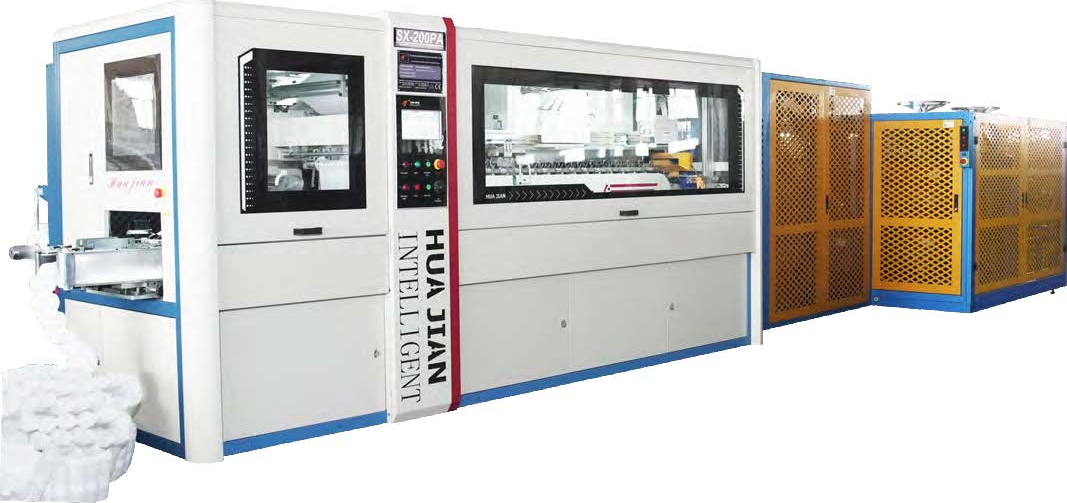
Deployed Fully Automated Spring Core Line, featuring:
Triple‑head servo coil formers
Vision‑based defect detection
Modular PLC interfaces for downstream foam compression
Results in 6 Months:
Throughput: Increased from 2,000 to 3,100 springs per hour (+55%)
Defect Rate: Reduced from 5% to 0.6% (−88%)
Labor Requirement: Shrunk from 12 operators to 4 technicians (−67%)
Payback Period: Achieved full ROI in 11 months through energy savings and reduced rework costs
The factory also reported improved staff morale, as operators transitioned to higher‑value roles—programming recipes and monitoring performance dashboards—instead of repetitive coil handling.
Ready to modernize your production?
📧 Email: jenney@gdnaimei.com
📱 WhatsApp/Phone: +86 13924835577
🌐 Website: https://naigumattressmachine.com

