Categories
What Questions Should You Ask Before Purchasing a Mattress Roll Packing Machine? |NAIGU
Discover the key questions to ask before buying a mattress roll packing machine, including mattress compatibility, production capacity, film requirements, costs, and after-sales support.
Oct 13th,2026
18 Views
What Questions Should You Ask Before Purchasing a Mattress Roll Packing Machine?
Purchasing a mattress roll packing machine is an important investment for mattress manufacturers looking to improve packing efficiency, reduce manual handling, and optimize storage and transportation. However, choosing the right machine requires more than comparing prices and advertised production speeds.
Before making a purchase, buyers should understand their production requirements, mattress specifications, packing materials, and long-term operating costs.
Here are the key questions to ask a supplier before purchasing a mattress roll packing machine.
1. What Mattress Types and Sizes Can the Machine Handle?
Not every mattress roll packing machine is suitable for every mattress construction. Mattress dimensions, thickness, density, and internal structure can affect compression and rolling performance.
Before purchasing, ask the supplier:
-
What are the minimum and maximum mattress dimensions?
-
What mattress thickness range can the machine handle?
-
Is the machine suitable for foam, memory foam, latex, or pocket spring mattresses?
-
Can it accommodate different mattress sizes within the same production line?
Providing accurate mattress specifications helps the supplier recommend a suitable machine configuration and identify any compatibility limitations.
2. What Is the Actual Production Capacity?
Production capacity directly affects whether a machine can meet your factory's daily output requirements. However, the advertised maximum speed may differ from actual production performance.
Ask the supplier:
-
How many mattresses can the machine pack per hour under normal operating conditions?
-
Does production speed vary with mattress size or thickness?
-
How much time is required to change between mattress specifications?
-
How many operators are typically required?
When comparing machines, request production data based on mattress specifications similar to your own. Consider loading, film changes, size adjustments, and downstream handling when estimating actual output.
3. What Packing Method Does the Machine Support?
Different mattress products and distribution channels may require different packing methods. Some manufacturers need basic film wrapping, while others require compression and roll packing for compact storage and delivery.
Ask whether the machine supports the packing method you need, including:
-
Mattress compression
-
Roll packing
-
Film wrapping and heat sealing
-
Film cutting
-
Integration with conveyors or other packing equipment
Confirming the required process in advance helps prevent purchasing equipment that cannot meet your finished-package requirements.
4. What Packing Film Is Compatible with the Machine?
Packing film affects sealing performance, package strength, and operating costs. The machine and film must work together under the intended production conditions.
Before placing an order, ask:
-
What film materials and thicknesses are supported?
-
What film width and roll specifications are required?
-
Is the machine compatible with our existing PE packing film?
-
How much film is typically consumed per mattress?
-
Can the supplier test our film before delivery?
Testing the actual film with the intended mattress helps verify wrapping quality, sealing performance, and material compatibility before the machine enters regular production.
5. What Are the Installation and Factory Requirements?
A mattress roll packing machine must fit your available factory space and utility conditions. Buyers should review the complete installation requirements rather than checking the machine's footprint alone.
Important questions include:
-
What are the machine's overall dimensions?
-
How much operating and maintenance space is required?
-
What power supply and other utilities are needed?
-
Can the machine connect to our existing production line?
-
Are additional conveyors or auxiliary equipment required?
Providing a factory layout and details of existing equipment can help the supplier evaluate installation feasibility and recommend an appropriate arrangement.
6. How Much Maintenance Does the Machine Require?
Routine maintenance helps maintain stable performance and reduce unexpected downtime. Before purchasing, buyers should understand the machine's maintenance schedule and the availability of replacement parts.
Ask the supplier:
-
What daily, weekly, and monthly maintenance is required?
-
Which components need regular inspection or replacement?
-
Are recommended spare parts included in the quotation?
-
How can replacement parts be ordered?
-
Is remote technical support available when problems occur?
A clear maintenance plan helps your team prepare for routine servicing and manage long-term operating costs.
7. What Installation, Training, and After-Sales Support Are Included?
Technical support is an important part of purchasing industrial packing equipment, especially when the machine will be installed overseas.
Confirm the following before ordering:
-
Is installation guidance included?
-
What operator training is provided?
-
Is technical documentation available in an understandable language?
-
What warranty terms apply?
-
How are technical issues handled after delivery?
Buyers should request written confirmation of the service scope, warranty conditions, and support arrangements to avoid misunderstandings after installation.
8. What Is the Total Investment Cost?
The purchase price is only one part of the total investment. Shipping, installation, training, auxiliary equipment, maintenance, and packing film can all affect the final cost.
Ask for a detailed quotation covering the machine configuration, included accessories, delivery terms, installation arrangements, and warranty.
You should also estimate potential benefits from labor savings, improved production efficiency, reduced material waste, and lower shipping volume where applicable.
Comparing the total cost of ownership and expected financial benefits provides a more realistic basis for evaluating different machines.
9. Can the Machine Support Future Production Growth?
Your production requirements may change as your business grows or introduces new mattress models.
Before choosing a machine, ask whether it can accommodate your expected mattress size range, higher production volumes, or integration with additional equipment in the future.
A suitable solution should meet current requirements while offering practical flexibility for your planned production development.
10. Can the Supplier Demonstrate the Machine's Performance?
A machine demonstration can help buyers verify whether the equipment meets their actual production needs.
Ask the supplier to demonstrate relevant mattress types and explain the operating process, adjustment procedures, packing quality, and expected output.
Where possible, provide actual mattress samples and packing film for testing. Review the finished package dimensions, film sealing, operating stability, and mattress recovery after unpacking according to your product requirements.
A practical demonstration can reveal important differences that may not be clear from a brochure or quotation alone.
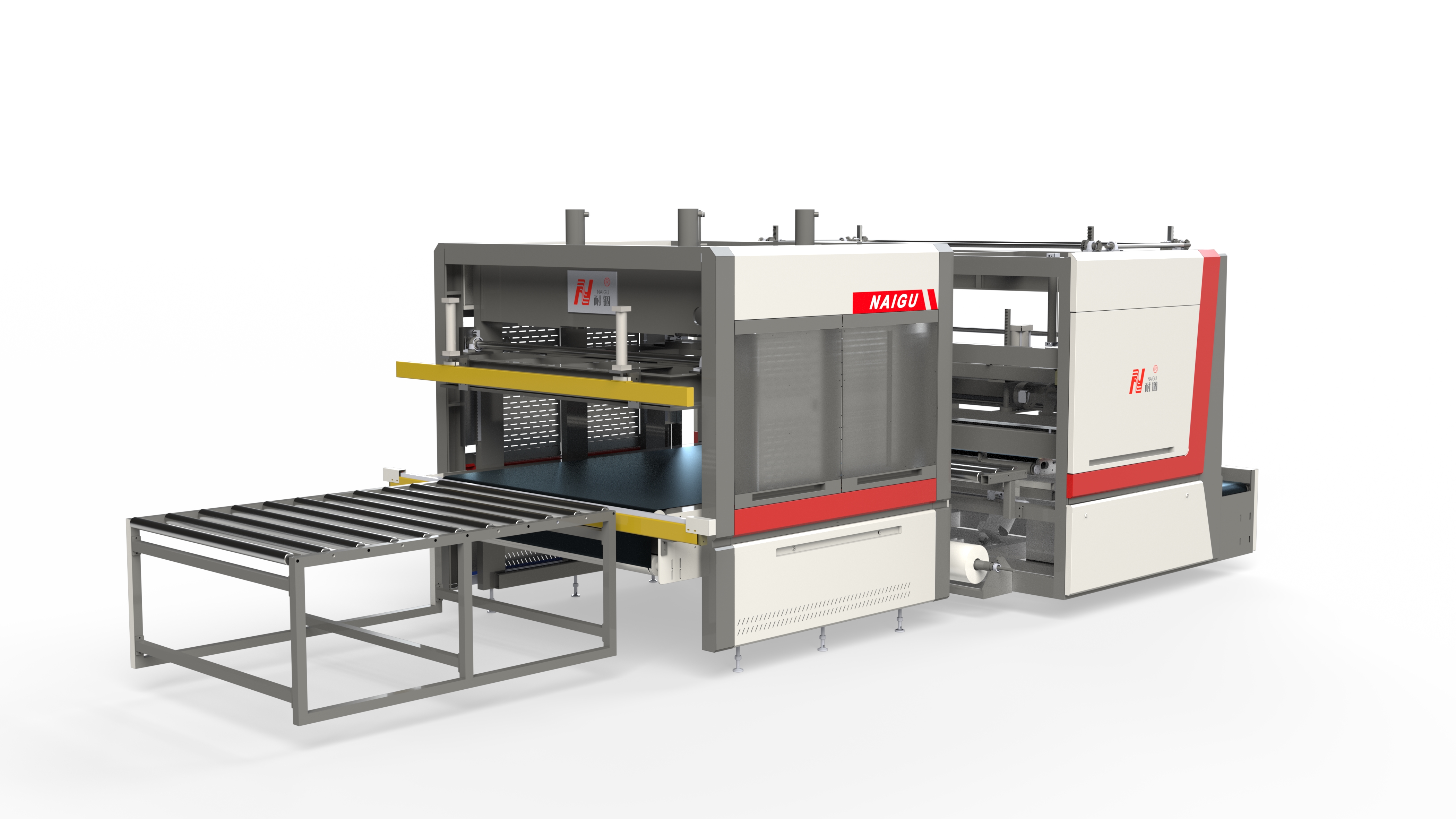
Before purchasing a mattress roll packing machine, manufacturers should evaluate mattress compatibility, production capacity, packing methods, film requirements, factory layout, maintenance, after-sales support, and total investment cost.
The right machine should fit your products and production workflow while helping you achieve consistent packing quality and efficient operation.
NAIGU Mattress Machinery provides mattress packing equipment and customized solutions for different manufacturing requirements. Our team can help evaluate your mattress specifications, daily output, packing method, and factory layout to identify a suitable machine configuration.
Contact NAIGU Mattress Machinery to discuss your requirements and request a suitable packing solution for your factory.


