Categories
What Determines the Final Roll Size of a Compressed Mattress? |NAIGU
Discover how mattress thickness, material density, compression ratio, machine design, and packing film affect the final roll size of a compressed mattress.
Oct 13th,2026
20 Views
What Determines the Final Roll Size of a Compressed Mattress?
Compressed mattress roll size is an important factor in mattress packing, storage, and transportation. A compact roll can help manufacturers reduce shipping volume and improve warehouse efficiency. However, the final roll size depends on more than compression pressure alone.
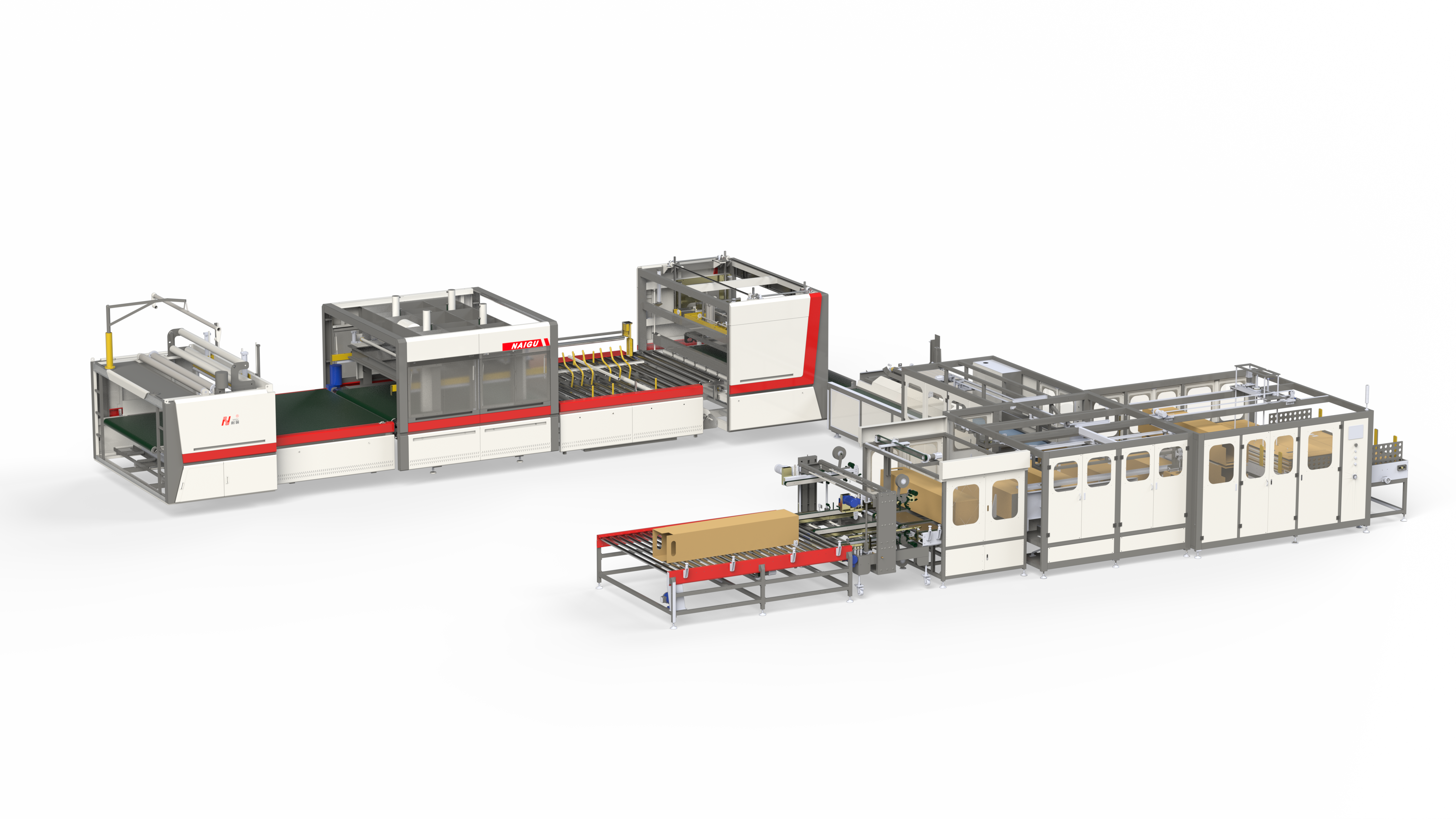
For mattress manufacturers choosing a mattress compression roll packing machine, understanding the factors that determine the finished roll diameter helps improve packing consistency, protect mattress quality, and optimize transportation costs.
1. Mattress Thickness and Dimensions
Mattress thickness is one of the main factors affecting the final roll size. Thicker mattresses generally contain more material to compress and roll, which can result in a larger finished package.
Mattress length and width also influence the rolling process and the final package dimensions. Larger mattresses may require different rolling parameters or machine configurations compared with smaller models.
Before selecting a mattress roll packing machine, manufacturers should confirm the full range of mattress lengths, widths, and thicknesses that need to be processed.
2. Mattress Material and Density
Different mattress materials respond differently to compression and rolling. Their physical properties influence how compactly they can be packed and how well they recover after unpacking.
-
Foam mattresses: Flexible foam mattresses are commonly suitable for compression and roll packing. Foam density, firmness, and layer structure can affect the final roll size.
-
Memory foam mattresses: Their compression and recovery characteristics should be evaluated carefully to determine suitable packing parameters.
-
Latex mattresses: Latex has distinct elastic properties, so compression settings should be selected according to the mattress construction and material requirements.
-
Pocket spring and hybrid mattresses: Spring structures, edge support, and comfort layers may limit the achievable compression and rolling size. Compatibility should be confirmed before choosing a packing method.
The same mattress dimensions do not always produce the same roll size because material composition and internal construction can differ.
3. Compression Ratio and Pressure
Compression ratio describes how much the mattress thickness is reduced during the compression process. It is an important factor in determining the package size before rolling.
A higher compression ratio may reduce the overall package volume, but the suitable level depends on the mattress materials, structure, and recovery requirements.
Excessive compression may affect mattress components or recovery performance, while insufficient compression may result in a larger package than expected.
Manufacturers should therefore establish appropriate compression parameters through equipment specifications and product testing rather than aiming for the smallest possible roll.
4. Rolling Method and Machine Design
The rolling method and machine structure also influence the final roll diameter. Different mattress roll packing machines may use different rolling mechanisms, control systems, and diameter settings.
Depending on the model, machine features may include:
-
Adjustable rolling parameters
-
Controlled compression and rolling
-
Consistent film feeding and tension
-
Suitable sealing and cutting functions
-
Compatibility with different mattress specifications
When purchasing a mattress compression roll packing machine, buyers should confirm its supported mattress dimensions, available roll diameter range, and compatibility with their products.
A suitable machine helps manufacturers achieve more consistent package dimensions across different production batches.
5. Packing Film and Package Structure
Packing film helps protect the compressed mattress and maintain package integrity during handling and transportation. Film properties and packing methods can affect the finished package's external dimensions.
Important considerations include film thickness, width, flexibility, strength, and sealing performance. The film must be compatible with the machine and suitable for the mattress's compression requirements.
If the film is too weak, it may tear under the stress of compression or rolling. If the film specification is unsuitable, sealing quality and package stability may also be affected.
Selecting suitable PE packing film and testing it under actual production conditions can help improve packing consistency.
6. Target Carton Size and Transportation Requirements
The required shipping carton dimensions can influence the target roll size. Manufacturers supplying online mattress brands, distributors, retailers, or export markets may need to meet specific package dimensions.
A smaller roll can help improve storage and transportation efficiency, but the target size must remain compatible with the mattress structure and the packing method.
Before finalizing a packing specification, manufacturers should consider:
-
Internal carton dimensions
-
Finished roll diameter and length
-
Package protection requirements
-
Warehouse storage conditions
-
Container loading and transportation plans
The goal is to achieve a practical balance between compact packing, mattress quality, and logistics efficiency.
7. How to Achieve a Consistent Final Roll Size
To improve roll size consistency, mattress factories should standardize their packing process and evaluate each mattress model separately.
A practical approach includes:
-
Record the mattress dimensions, materials, density, and construction.
-
Confirm the machine's compatible mattress range and roll diameter settings.
-
Test suitable compression and rolling parameters.
-
Check the finished roll diameter, length, package shape, and sealing quality.
-
Inspect mattress recovery after unpacking according to product requirements.
-
Adjust the process when changing mattress models or packing materials.
Keeping consistent production records helps operators identify variations and maintain more reliable packing results.
8. Choose the Right Mattress Compression Roll Packing Machine
The final roll size of a compressed mattress is determined by several interacting factors, including mattress dimensions, material properties, compression ratio, rolling method, packing film, and shipping requirements.
For mattress manufacturers, the best solution is not necessarily the machine that produces the smallest roll. It is the machine that achieves the required package dimensions while maintaining product quality and stable production performance.
NAIGU Mattress Machinery provides mattress compression and roll packing solutions for different manufacturing requirements. By evaluating your mattress specifications, target roll size, and production capacity, you can identify a suitable packing solution for your factory.
Contact NAIGU Mattress Machinery to discuss your mattress packing requirements and find a suitable machine for your production line.


