Categories
What Affects the Price of Mattress Compression Machines |NAIGU
Mattress compression machine prices vary based on automation level, mattress size, production capacity, compression technology, film requirements, and customization. This article explains the key factors that mattress manufacturers should consider when comparing machine prices and choosing a cost-effective packing solution.
Aug 24th,2026
48 Views
When mattress manufacturers compare mattress compression machine prices, the cheapest quotation is not always the most cost-effective choice. Machine price depends on several factors, including automation level, mattress size, compression method, production capacity, packing requirements, and customization.
For mattress factories planning to automate packing or expand production, understanding these factors makes it easier to compare suppliers and calculate the expected return on investment.
1. Machine Automation Level
One of the biggest factors affecting the price of a mattress compression machine is the level of automation.
A basic semi-automatic machine may require operators to manually load, position, or pack mattresses. A fully automatic system can integrate feeding, compression, film packing, sealing, rolling, and other processes.
Generally:
-
Semi-automatic machines have a lower initial investment.
-
Automatic machines cost more but can reduce labor requirements.
-
Fully automatic packing lines require a higher investment but are better suited to high-volume mattress factories.
The right choice depends on your production volume rather than simply choosing the machine with the lowest price.
2. Mattress Size and Thickness
The mattress dimensions directly affect the machine structure and compression capacity.
A machine designed for standard single or double mattresses may have different specifications from equipment designed for oversized mattresses or mattresses with greater thickness.
Important parameters include:
-
Mattress width and length
-
Mattress thickness
-
Maximum mattress weight
-
Compression ratio
-
Finished roll diameter
-
Working table dimensions
Before requesting a quotation, manufacturers should provide their typical mattress size range so the supplier can recommend the correct machine configuration.
3. Production Capacity
Production capacity also has a major impact on machine price.
A machine designed for a small mattress factory may process fewer mattresses per hour, while high-speed equipment is designed for continuous production.
For example, a factory producing hundreds of mattresses per day may benefit from a higher-capacity machine even if the initial purchase price is higher. Faster production can reduce labor costs and improve overall packing efficiency.
Therefore, it is better to compare cost per mattress packed instead of looking only at the equipment purchase price.
4. Compression and Rolling Technology
Different mattress compression machines use different compression and rolling configurations.
The machine may need to:
-
Compress the mattress.
-
Remove excess air.
-
Pack the mattress with PE film.
-
Seal the film.
-
Roll or fold the compressed mattress.
-
Produce a compact finished package.
More advanced compression and rolling technology can increase the equipment cost, but it can also reduce package volume and help lower storage and shipping costs.
5. Packing Film Requirements
The type and thickness of packing film can also influence machine configuration.
Mattress compression packing commonly uses PE film, but film specifications may vary depending on mattress materials, compression requirements, package dimensions, and transportation conditions.
A machine may need to be configured for specific:
-
Film width
-
Film thickness
-
Film type
-
Film feeding method
-
Sealing requirements
Choosing a suitable film and machine combination can help manufacturers achieve stable packing quality while controlling material consumption.
6. Customization
Not every mattress factory has the same production requirements.
Customization may be required for:
-
Extra-wide mattresses
-
Different mattress thickness ranges
-
Special finished roll diameters
-
Specific conveyor layouts
-
Integration with existing production lines
-
Automatic feeding systems
-
Different voltage and electrical standards
Customized equipment generally costs more than standard configurations because of additional engineering, components, and manufacturing requirements.
7. Electrical and Safety Configuration
The destination market can also affect the final quotation.
Different countries may have different requirements for:
-
Voltage
-
Frequency
-
Electrical components
-
Control systems
-
Safety protection
-
Machine certification
A machine configured for export may therefore have a different price from a basic domestic configuration.
8. Installation, Training, and After-Sales Service
The total investment is more than the machine purchase price.
Buyers should also consider whether the supplier provides:
-
Installation guidance
-
Operator training
-
Technical support
-
Spare parts
-
Remote troubleshooting
-
Warranty service
A supplier offering stronger after-sales support may have a higher initial quotation but can reduce potential downtime and maintenance risks over the machine's service life.
9. Factory Production Volume
The ideal machine depends heavily on the factory's production volume.
For a small or medium-sized mattress manufacturer, a semi-automatic compression packing machine may provide a better balance between investment and output.
For large manufacturers, automated mattress packing systems can provide greater advantages through:
-
Higher output
-
Lower labor dependence
-
More consistent packing
-
Better production flow
-
Reduced handling time
Factories should evaluate their expected production growth over the next few years rather than selecting equipment based only on current output.
10. How to Compare Mattress Compression Machine Prices
When requesting quotations from different suppliers, buyers should provide the same technical information to each manufacturer.
A useful inquiry should include:
| Requirement |
Information |
| Mattress size |
Length × Width |
| Mattress thickness |
Minimum–Maximum |
| Mattress material |
Foam, spring, latex, hybrid, etc. |
| Daily production |
Mattresses/day |
| Required automation |
Semi-automatic or automatic |
| Packing method |
Compression, roll packing, etc. |
| Finished package |
Required roll diameter/size |
| Destination |
Country and voltage |
| Film specification |
Type, width, thickness |
This makes supplier quotations easier to compare and helps avoid comparing machines with completely different configurations.
Initial Price vs. Total Packing Cost
The purchase price is only one part of the overall investment.
A better evaluation should consider:
Total Cost of Ownership = Machine Cost + Film Cost + Labor Cost + Maintenance Cost + Energy Cost
A machine with a higher initial price may deliver better long-term value if it provides higher productivity, lower labor requirements, stable compression performance, and efficient film consumption.
Conclusion
The price of a mattress compression machine is influenced by automation, mattress dimensions, production capacity, compression technology, packing film requirements, customization, electrical configuration, and after-sales service.
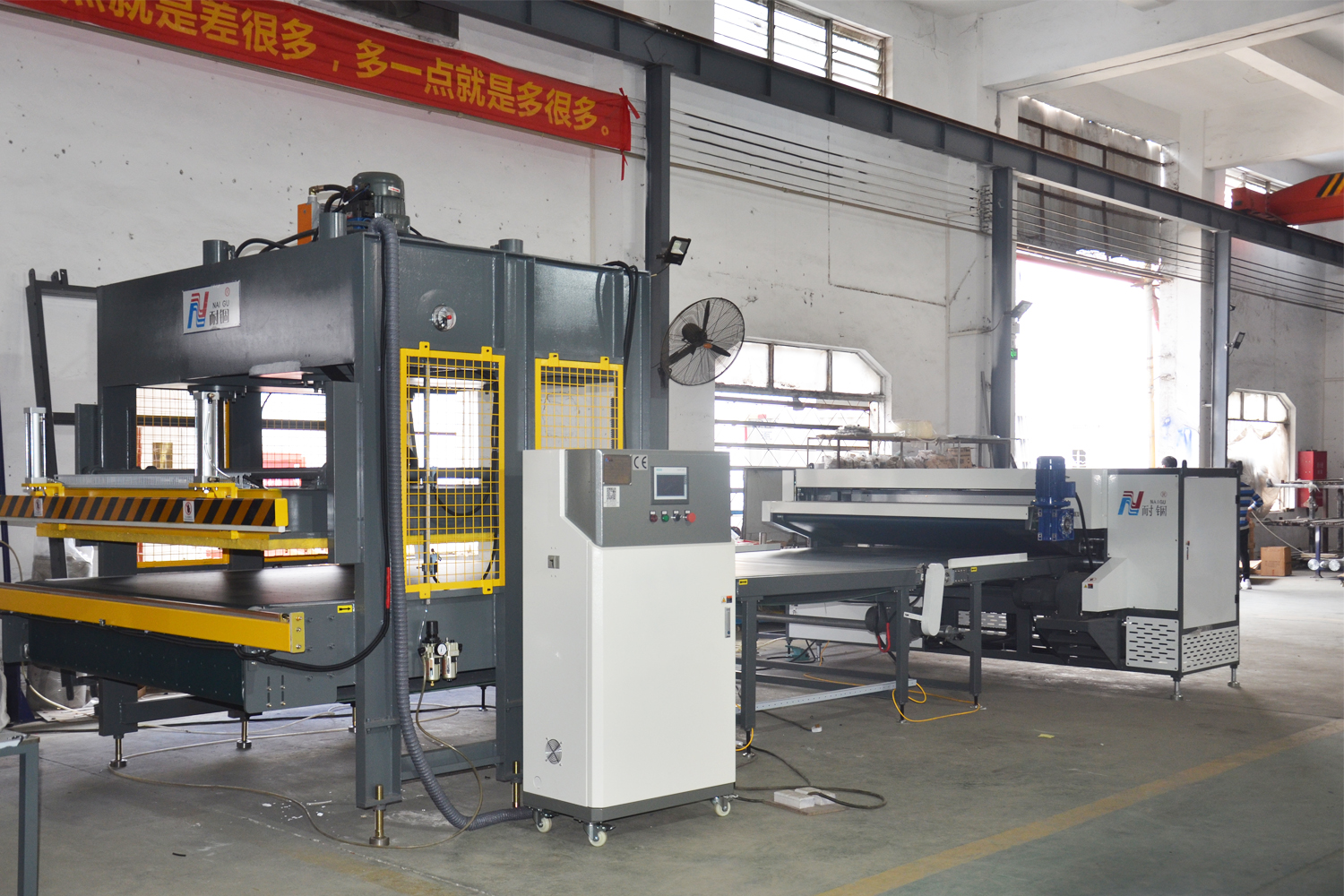
For mattress manufacturers, the best machine is not necessarily the cheapest one. The key is to select a configuration that matches production volume, mattress specifications, packing requirements, and long-term business goals.
NAIGU provides mattress compression and roll packing solutions for mattress manufacturers worldwide. By evaluating your mattress dimensions, production capacity, and packing requirements, NAIGU can recommend a suitable machine configuration for your factory.
Need a mattress compression machine quotation? Contact NAIGU to discuss your mattress size, production capacity, and packing requirements.


