Categories
Sofa Roll Packing for Furniture Exporters: Key Logistics Considerations |NAIGU
Sofa roll packing helps furniture exporters reduce package volume, improve container loading efficiency, and lower international shipping costs. This article covers key logistics factors such as sofa materials, finished roll size, packing film, container utilization, transportation protection, and recovery performance.
Aug 24th,2026
59 Views
For furniture exporters, transportation costs can significantly affect profit margins, especially when shipping sofas internationally. Sofa roll packing can help reduce package volume, improve container utilization, and make compressed sofas easier to handle during transportation.
However, successful sofa roll packing requires more than simply compressing a sofa. Exporters need to consider sofa construction, compression performance, packing film, package dimensions, container loading, and recovery after unpacking.
1. Sofa Structure and Material
Not every sofa is suitable for the same roll packing process.
Before selecting a sofa compression roll packing machine, exporters should evaluate:
-
Sofa dimensions
-
Foam density and thickness
-
Fabric and upholstery
-
Internal frame construction
-
Cushion structure
-
Recovery performance after compression
Foam sofas and certain upholstered furniture products are generally suitable for compression and roll packing when their materials can safely withstand the process.
2. Package Volume Matters for International Shipping
One of the biggest advantages of sofa roll packing is volume reduction.
Traditional sofa packing can occupy substantial container space because of the sofa's original dimensions. Compression and rolling can create a much more compact package, allowing exporters to load more products into a container.
This can potentially reduce:
-
Freight cost per sofa
-
Container space requirements
-
Warehouse space
-
Handling costs
For exporters, the key metric is not simply the number of sofas shipped, but the shipping cost per finished sofa.
3. Finished Roll Size
The final roll diameter and length should be considered before production.
A smaller package can improve container utilization, but excessive compression may affect product recovery or packing quality. Exporters should therefore establish a suitable target package size based on the sofa's construction and transportation requirements.
When comparing machines, ask suppliers about the achievable finished roll dimensions for your specific sofa models.
4. Packing Film Selection
The packing film plays an important role in maintaining package integrity during transportation.
The film should provide sufficient:
-
Tensile strength
-
Puncture resistance
-
Sealing performance
-
Flexibility
-
Protection against dust and moisture
For export applications, film thickness and material should be selected according to the sofa's weight, shape, compression ratio, and transportation conditions.
Using unsuitable film can lead to package damage or instability during handling.
5. Container Loading Efficiency
For furniture exporters, container utilization is one of the most important logistics considerations.
A compact sofa roll can be easier to arrange inside a container compared with a large conventional sofa package. Better space utilization may allow exporters to increase the quantity loaded per container.
Before purchasing equipment, manufacturers can conduct a simple comparison:
Traditional packing volume vs. compressed roll packing volume
Then estimate the potential increase in sofas per container and the corresponding freight savings.
6. Protection During Long-Distance Transportation
Export furniture may experience multiple handling stages, including factory loading, port transportation, container handling, unloading, and final delivery.
Therefore, sofa roll packing should provide sufficient protection against:
-
Dust
-
Moisture
-
Surface contamination
-
Friction
-
Compression during transportation
-
Handling damage
A stable package helps reduce the risk of damage throughout the logistics chain.
7. Recovery After Unpacking
For compressed sofas, recovery performance is an important consideration.
The sofa should be able to return to its intended shape within the expected recovery period after unpacking. Exporters should therefore test compression conditions before mass production.
Factors such as foam type, foam density, compression time, and storage conditions can influence recovery.
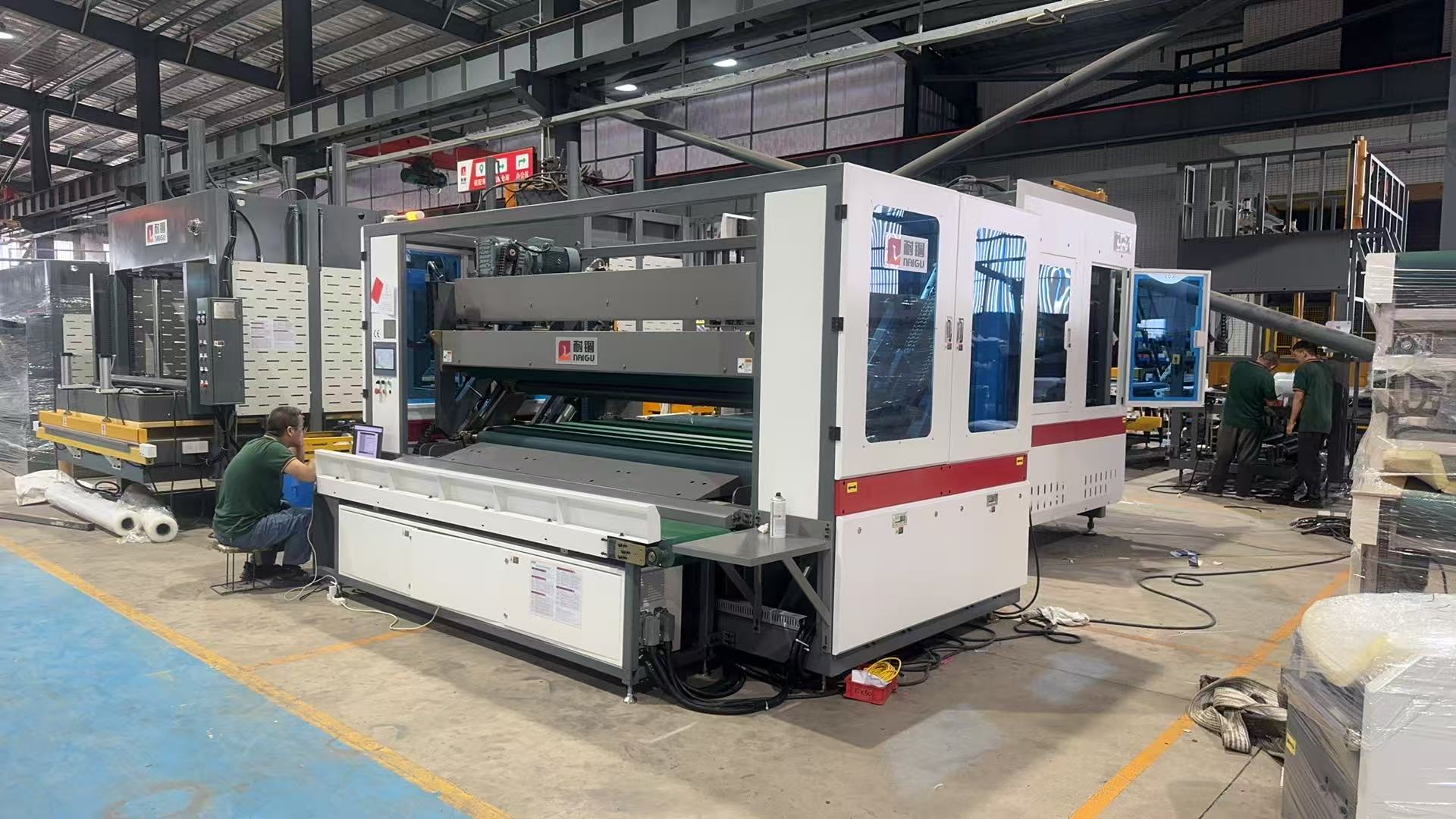
8. Choosing the Right Sofa Roll Packing Machine
Furniture exporters should select equipment based on actual production requirements rather than machine price alone.
Important factors include:
-
Sofa size range
-
Maximum compression capacity
-
Production speed
-
Finished roll diameter
-
Film specifications
-
Automation level
-
Available factory space
-
Container loading requirements
For high-volume furniture factories, an automated sofa compression roll packing machine can help improve packing consistency and reduce manual handling.
9. Calculate the Total Logistics Benefit
The value of sofa roll packing should be evaluated from the perspective of total logistics costs.
A simple calculation can include:
Freight Saving = Traditional Freight Cost − Roll Packing Freight Cost
Exporters can also consider savings in warehouse space, labor, handling, and packaging materials.
This provides a clearer picture of the potential return on investment of a sofa roll packing machine.
Conclusion
Sofa roll packing can provide significant logistics advantages for furniture exporters by reducing package volume, improving container utilization, and simplifying product handling.
However, successful implementation depends on choosing the right compression conditions, packing film, finished roll size, and machine configuration. Before investing in equipment, exporters should test their sofa models and calculate the potential freight savings per container.
NAIGU provides sofa compression roll packing solutions for furniture manufacturers and exporters. With the right machine configuration, furniture factories can optimize packing efficiency and make international shipping more cost-effective.
Looking to reduce sofa shipping costs? Contact NAIGU to discuss your sofa dimensions, production capacity, and roll packing requirements.


