Categories
Sofa Cushion and Frame Considerations for Compression Roll Packing |NAIGU
Learn how sofa cushions and frames affect compression roll packing performance. This article explains key factors such as foam density, cushion structure, frame construction, sofa shape, packing film, and post-unpacking recovery to help furniture manufacturers choose suitable sofa packing solutions.
Sep 16th,2026
32 Views
Sofa compression roll packing can help furniture manufacturers reduce package volume and improve transportation efficiency. However, not every sofa has the same compression characteristics. Cushion structure, foam properties, frame construction, and overall sofa design should be evaluated before selecting a compression roll packing solution.
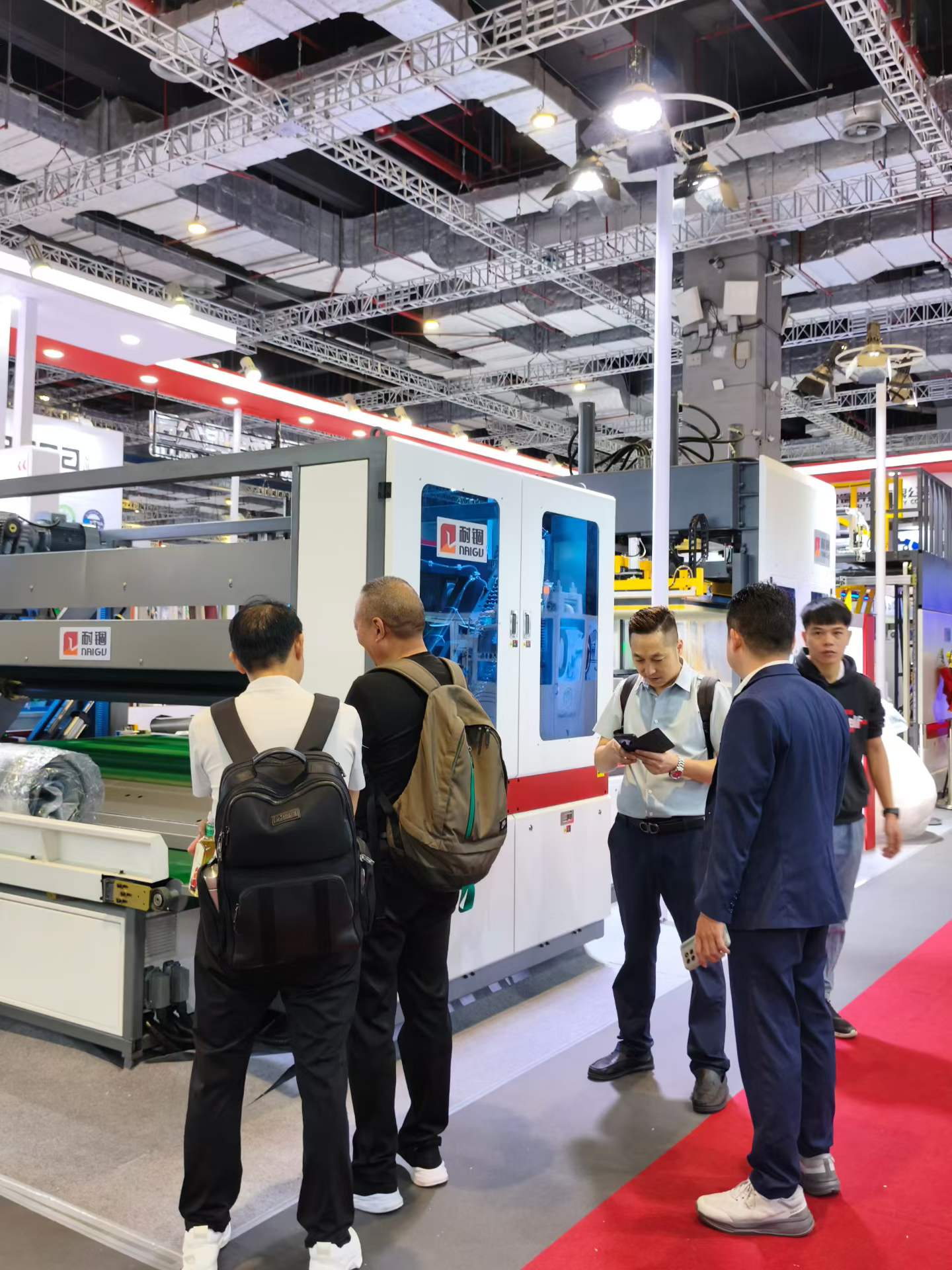
1. Evaluate the Sofa Cushion Structure
The cushion is one of the most important factors in compression packing. Different foam materials and cushion structures respond differently to pressure.
Before compression, manufacturers should consider:
-
Foam type and density
-
Cushion thickness
-
Cushion size
-
Multi-layer cushion construction
-
Recovery characteristics after compression
Flexible foam cushions are generally more suitable for compression than rigid components. The objective is to reduce volume while allowing the cushion to recover its intended shape after unpacking.
2. Consider Foam Density and Recovery
Foam density affects how a sofa cushion responds during compression. Higher-density foam may require different compression parameters from softer foam.
Manufacturers should test representative sofa samples to determine:
-
Appropriate compression pressure
-
Compression ratio
-
Recovery time
-
Final package dimensions
-
Appearance after unpacking
Testing helps avoid applying excessive compression to cushions that may require longer recovery.
3. Pay Attention to the Sofa Frame
Unlike cushions, sofa frames may contain rigid structures that cannot be compressed in the same way.
Frames made from wood, metal, or other rigid materials should be assessed for their ability to withstand the forces generated during packing. Important factors include frame strength, joints, protruding components, and the position of rigid sections.
The packing method should ensure that compression is applied appropriately without placing unnecessary stress on the frame.
4. Check the Overall Sofa Shape
Sofa dimensions and geometry also influence compression roll packing performance.
Manufacturers should consider:
-
Sofa length and width
-
Armrest design
-
Backrest height
-
Seat depth
-
Removable components
-
Irregular or curved shapes
Modular sofas and sofas with detachable cushions may offer greater flexibility during packing because individual components can sometimes be arranged more efficiently.
5. Select Suitable Packing Film
Film performance is another important consideration. The film needs sufficient strength and flexibility to hold the compressed sofa securely during handling and transportation.
Depending on the sofa design and packing method, manufacturers may evaluate film thickness, tensile strength, puncture resistance, elasticity, and sealing performance.
A suitable film helps maintain package integrity while the compressed sofa is transported and stored.
6. Consider Recovery After Unpacking
Compression packing is not only about reducing package volume. Manufacturers should also consider what happens after the sofa reaches the customer.
A properly designed packing process should allow suitable cushions and foam components to recover their intended shape after unpacking. Testing should therefore include both compression performance and post-unpacking recovery.
7. Test Before Large-Scale Automation
Before investing in a sofa compression roll packing machine, furniture manufacturers should test representative products.
A practical evaluation can include:
Sofa Structure → Cushion & Foam Analysis → Compression Test → Roll Packing Test → Recovery Test → Package Dimension Evaluation
Testing several sofa models can help determine whether one packing solution can handle the factory's product range or whether different packing parameters are required.
Conclusion
Sofa cushion and frame construction directly influence compression roll packing performance. Flexible cushions, foam characteristics, rigid frames, sofa dimensions, and packing film should all be considered when developing an efficient packing process.
For furniture factories planning to automate sofa packing, evaluating these factors in advance can help determine suitable compression ratios, packing methods, film specifications, and machine configurations. A properly matched sofa compression and roll packing solution can support more consistent packing and more efficient transportation.


