Categories
How to Reduce Downtime in Mattress Packaging Operations |NAIGU
Discover practical ways to reduce downtime in mattress packaging operations. This article covers machine maintenance, film management, operator training, workflow optimization, and automation to help mattress factories improve packing efficiency and maintain stable production.
Sep 16th,2026
37 Views
Downtime in mattress packaging operations can reduce production capacity, increase labor costs, and delay shipments. For mattress manufacturers, reducing unexpected stops requires more than simply increasing machine speed. Equipment maintenance, material supply, workflow design, and operator training all play important roles.
1. Identify the Main Causes of Downtime
Before improving a mattress packing line, manufacturers should identify where and why stoppages occur.
Common causes include:
-
Film changes
-
Machine adjustments
-
Film breaks
-
Sealing problems
-
Equipment faults
-
Incorrect mattress positioning
-
Material shortages
-
Operator errors
-
Delays between production and packing
Recording downtime by cause can help factories identify recurring problems and prioritize improvements.
2. Keep Packing Materials Ready
Film changes and material shortages can interrupt continuous production. Factories should maintain sufficient packing film inventory and prepare replacement rolls before the current roll runs out.
For high-volume operations, standardized film specifications can also simplify material management and reduce unnecessary adjustments.
3. Perform Regular Machine Maintenance
Preventive maintenance can help detect potential problems before they cause unexpected downtime.
Operators should regularly inspect:
-
Sealing components
-
Cutting systems
-
Rollers and conveyor sections
-
Pneumatic components
-
Sensors
-
Electrical connections
-
Film feeding mechanisms
Cleaning and lubrication should also follow the equipment manufacturer's maintenance recommendations.
4. Optimize Film Feeding and Sealing
Film feeding problems are a common source of interruptions in mattress packing. Incorrect film tension, unsuitable film specifications, or misalignment can result in wrinkles, breaks, or poor sealing.
Factories should match film width, thickness, strength, and elasticity with the mattress dimensions and packing machine.
Stable film feeding can help reduce repeated adjustments and improve packing consistency.
5. Standardize Mattress Positioning
Incorrect mattress positioning can cause problems during compression, sealing, and roll packing.
A standardized loading procedure helps operators position mattresses consistently. Clear operating instructions can reduce unnecessary machine stops caused by incorrect loading.
For automated lines, sensors and mechanical positioning systems can further improve process consistency.
6. Train Operators for Quick Troubleshooting
Operators should understand basic procedures for:
-
Film replacement
-
Machine startup and shutdown
-
Sensor checks
-
Minor adjustments
-
Common alarms
-
Safe troubleshooting
-
Routine maintenance
Well-trained operators can often identify simple problems quickly and prevent minor issues from becoming longer production stoppages.
7. Improve the Entire Packing Workflow
Downtime may occur outside the machine itself. If mattresses arrive at the packing area irregularly, operators may need to wait between cycles.
A more efficient workflow can connect:
Mattress Production → Inspection → Packing → Compression → Roll Packing → Storage → Loading
Synchronizing upstream and downstream processes helps reduce waiting time and unnecessary material handling.
8. Use Automation Where It Solves a Real Bottleneck
Automation can reduce repetitive manual operations and improve process consistency, but factories should first identify the specific bottleneck.
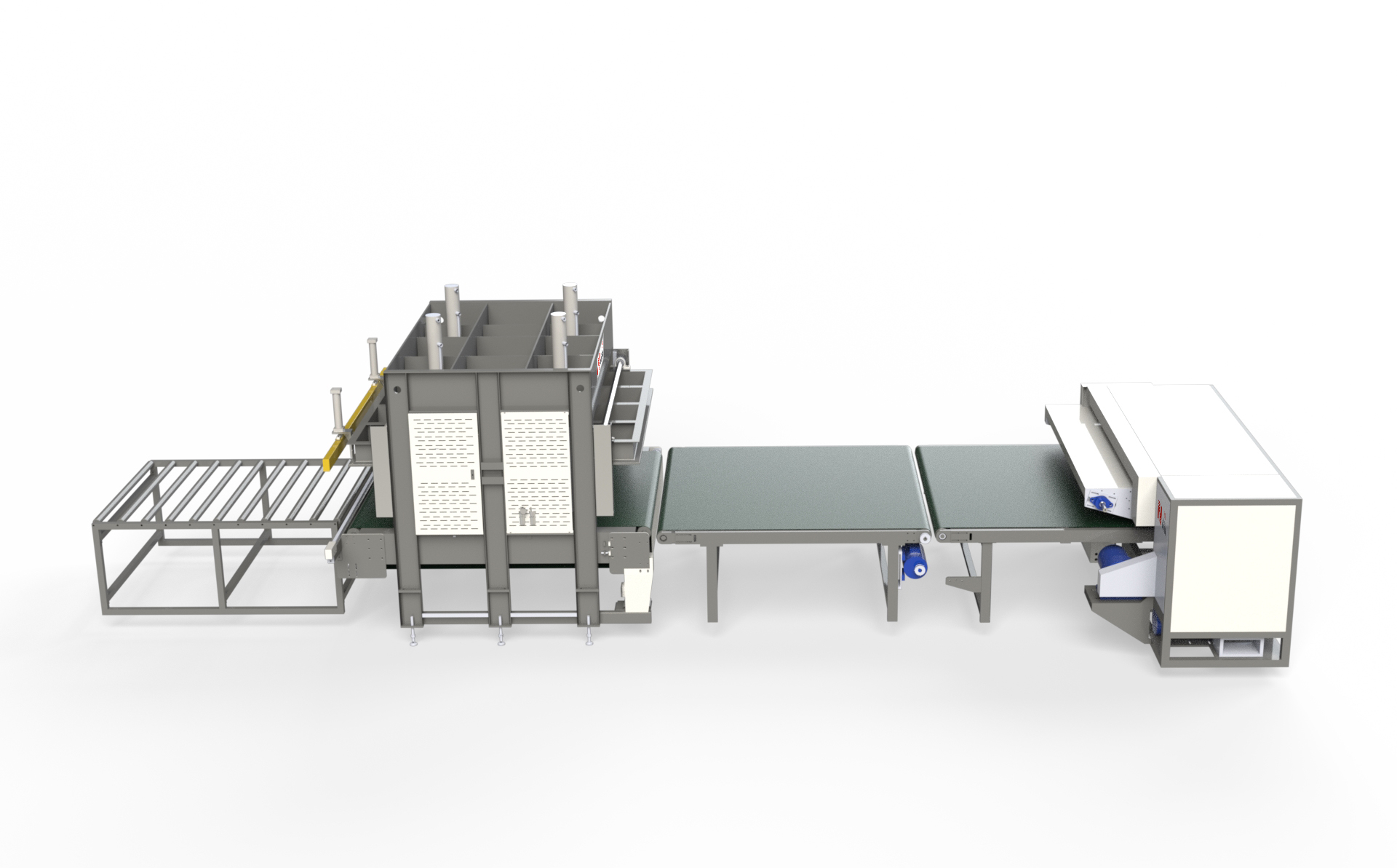
For example, a manufacturer with increasing mattress production may consider automatic mattress compression and roll packing equipment to reduce manual handling and maintain a consistent packing cycle.
The appropriate automation level depends on mattress dimensions, daily output, product variety, available space, and investment requirements.
9. Monitor Downtime Continuously
Downtime reduction should be an ongoing process. Factories can track indicators such as:
-
Total downtime per shift
-
Number of machine stops
-
Average recovery time
-
Film change frequency
-
Packing output per hour
-
Equipment maintenance frequency
Comparing these indicators over time can show whether operational improvements are actually reducing interruptions.
Conclusion
Reducing downtime in mattress packaging operations requires a combination of preventive maintenance, reliable packing materials, standardized operating procedures, operator training, and appropriate automation.
Instead of focusing only on machine speed, mattress manufacturers should evaluate the entire packing workflow. A well-organized mattress packing process can help factories maintain stable production, improve packing consistency, and support higher-volume manufacturing.


