Categories
Mattress Compression Equipment for Vacuum Packing | NAIGU
Learn how mattress compression equipment supports vacuum packing solutions by reducing product volume, improving packing efficiency, and optimizing storage and shipping for compatible mattresses.
Oct 16th,2026
4 Views
How Mattress Compression Equipment Supports Vacuum Packing Solutions
Mattress manufacturers are increasingly exploring compression and vacuum packing solutions to reduce product volume, improve storage efficiency, and simplify transportation. For suitable mattress types, combining compression equipment with an appropriate vacuum packing process can help create compact packages for distribution, warehousing, and e-commerce delivery.
However, mattress compression and vacuum packing are not exactly the same process. Understanding how they work together helps manufacturers choose the right equipment and packing method for their products.
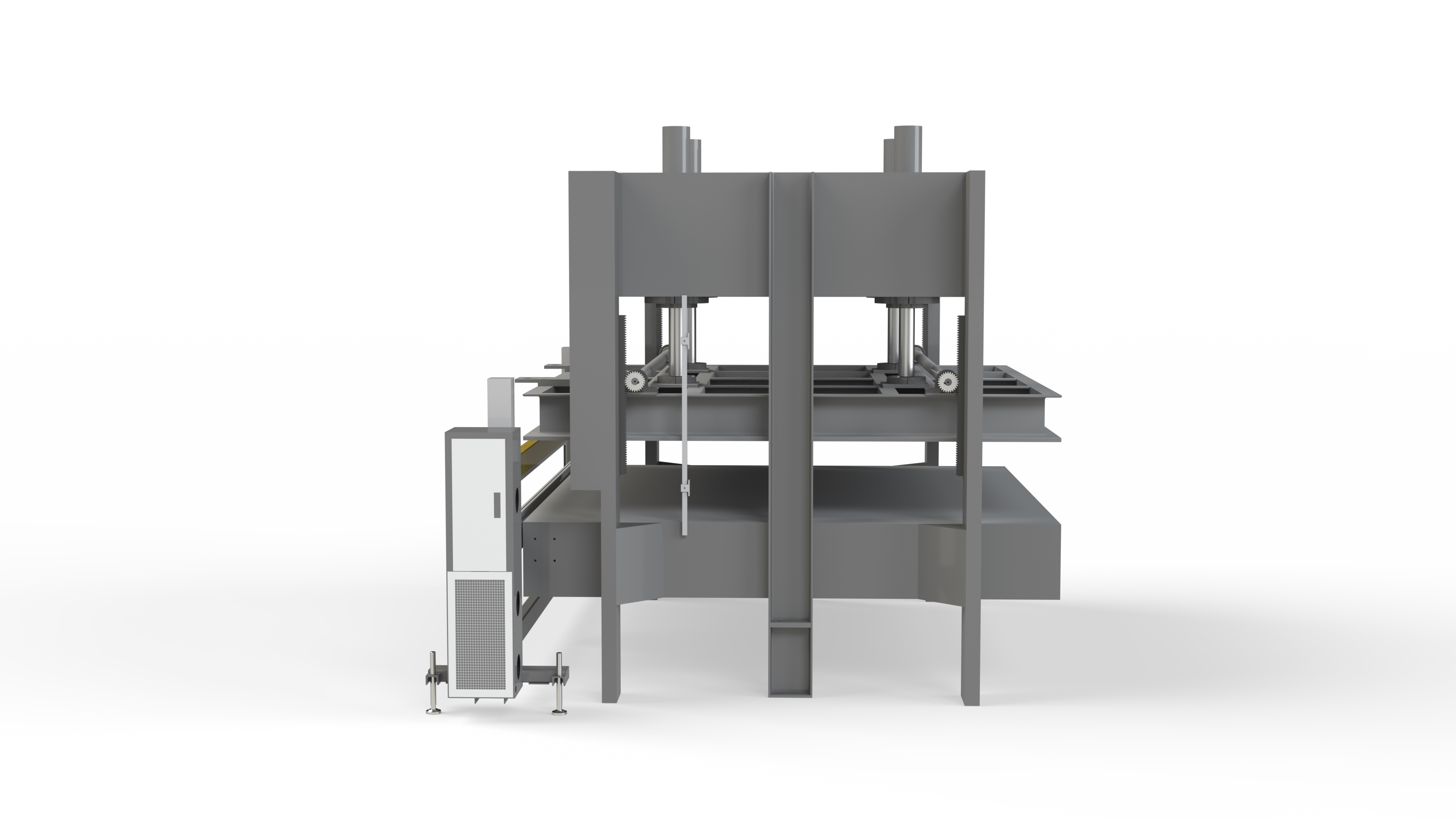
1. Understand the Difference Between Mattress Compression and Vacuum Packing
Mattress compression equipment applies mechanical pressure to reduce mattress thickness. Vacuum packing removes air from a suitable sealed package to reduce the volume occupied by air within the package.
These processes may be used separately or together, depending on the mattress construction and the desired package format.
For example, a foam mattress may be mechanically compressed before being sealed in a suitable film package. Some production systems use vacuum-assisted packing, while others use compression followed by folding or rolling.
The appropriate process depends on the mattress materials, packaging structure, machine design, and recovery requirements.
2. Reduce Mattress Volume for Storage and Shipping
Uncompressed mattresses can occupy substantial warehouse and transportation space. Mattress compression equipment reduces their thickness, helping manufacturers prepare more compact products for handling and shipment.
When combined with a suitable vacuum packing process, compatible mattresses may achieve further volume reduction by removing trapped air from the package.
Potential benefits include:
-
More efficient use of warehouse space
-
Easier handling of compact packages
-
Improved container loading efficiency
-
Reduced storage and transportation volume per mattress
Actual space savings vary according to mattress dimensions, materials, compression limits, and package design. Manufacturers should evaluate the final package dimensions before estimating shipping savings.
3. Improve Packing Efficiency Through Equipment Integration
In mattress manufacturing, compression, vacuum packing, sealing, and finished-product handling may involve several separate operations.
An appropriately configured production system can coordinate these stages to reduce unnecessary product transfers and improve workflow consistency.
Depending on the solution, equipment may include a compression press, vacuum packing equipment, film sealing components, conveyors, or additional folding and roll packing machinery.
Not every mattress packing machine performs all these functions. Manufacturers should confirm the actual capabilities of each machine and whether the equipment is compatible with their preferred packing method.
4. Select Suitable Film and Packaging Materials
The packing material must withstand the stresses created during compression and remain suitable for the selected sealing or vacuum process.
When choosing mattress packing film, manufacturers should consider:
-
Film strength: Resistance to tearing, puncturing, and stretching during packing and handling.
-
Sealing performance: Compatibility with the machine's sealing system and operating conditions.
-
Air barrier properties: Suitable resistance to air transmission when vacuum retention is required.
-
Film dimensions: Appropriate width and length for the mattress and equipment.
-
Package integrity: Ability to maintain the required protection during storage and transportation.
A film designed for ordinary wrapping may not provide the performance required for vacuum retention. Buyers should verify the material specification and test it with the intended equipment before mass production.
5. Consider Mattress Materials and Recovery Performance
Not every mattress can be compressed or vacuum-packed using the same method. Mattress construction affects how the product responds to pressure, how much it can be compressed, and how it recovers after unpacking.
Foam mattresses are often considered for compression packing, but foam density, formulation, thickness, and construction can influence the suitable process. Spring and hybrid mattresses require particular attention to their internal structures and the equipment manufacturer's compatibility recommendations.
Before adopting a packing solution, manufacturers should test representative products and evaluate:
-
Compression performance
-
Package stability during storage
-
Mattress recovery after unpacking
-
Surface appearance and product condition
-
Any limitations on compressed storage duration
Following mattress and equipment supplier recommendations helps reduce the risk of product damage or poor recovery.
6. Improve Consistency in High-Volume Production
Manual compression and packing can produce variations in package dimensions, sealing quality, and handling procedures. Suitable automated equipment helps standardize important production parameters and reduce repetitive manual operations.
Depending on the machine configuration, automated systems may control compression movements, film feeding, vacuum cycles, sealing, and package release.
Regular maintenance, operator training, and quality inspection remain essential. Manufacturers should establish clear operating procedures and inspect sample packages to confirm that compression and sealing results meet their requirements.
7. Choose the Right Mattress Packing Solution
Before investing in mattress compression or vacuum packing equipment, manufacturers should define their production and packaging objectives.
Key considerations include:
-
Mattress type, dimensions, thickness, and materials
-
Required package format and final dimensions
-
Whether vacuum packing is necessary
-
Expected daily production volume
-
Available factory space and existing production equipment
-
Film specifications and sealing requirements
-
Installation, maintenance, and after-sales support
A compression machine is not automatically a vacuum packing machine, and a roll packing machine does not necessarily use vacuum technology. The correct solution depends on the intended packing process and the characteristics of the mattress.
Conclusion
Mattress compression equipment supports compact packing solutions by reducing mattress thickness and preparing suitable products for efficient packaging. When compatible equipment and materials are used, mechanical compression can be combined with vacuum packing to help optimize storage, transportation, and production workflows.
The most effective solution depends on mattress construction, packaging requirements, film performance, and factory capacity. Careful product testing and equipment selection help manufacturers achieve reliable packing results without compromising mattress quality.
NAIGU provides mattress packing machinery and customized solutions for manufacturers with different production requirements. Whether you are evaluating mattress compression equipment, roll packing machinery, or an integrated packing workflow, our team can help you identify suitable options based on your products and production goals.
Contact NAIGU to discuss your mattress packing requirements and find the right solution for your factory.


