Categories
How Modern Mattress Packing Machines Reduce Labor Requirements |NAIGU
Discover how modern mattress packing machines reduce manual work through automated wrapping, sealing, compression, roll packing, and improved production workflow.
Oct 16th,2026
4 Views
How Modern Mattress Packing Machines Reduce Labor Requirements
As mattress manufacturers face rising labor costs and increasing production demands, improving packing efficiency has become an important part of factory optimization. Traditional manual packing often involves repetitive tasks such as positioning mattresses, wrapping film, sealing packages, and preparing finished products for storage or shipment.
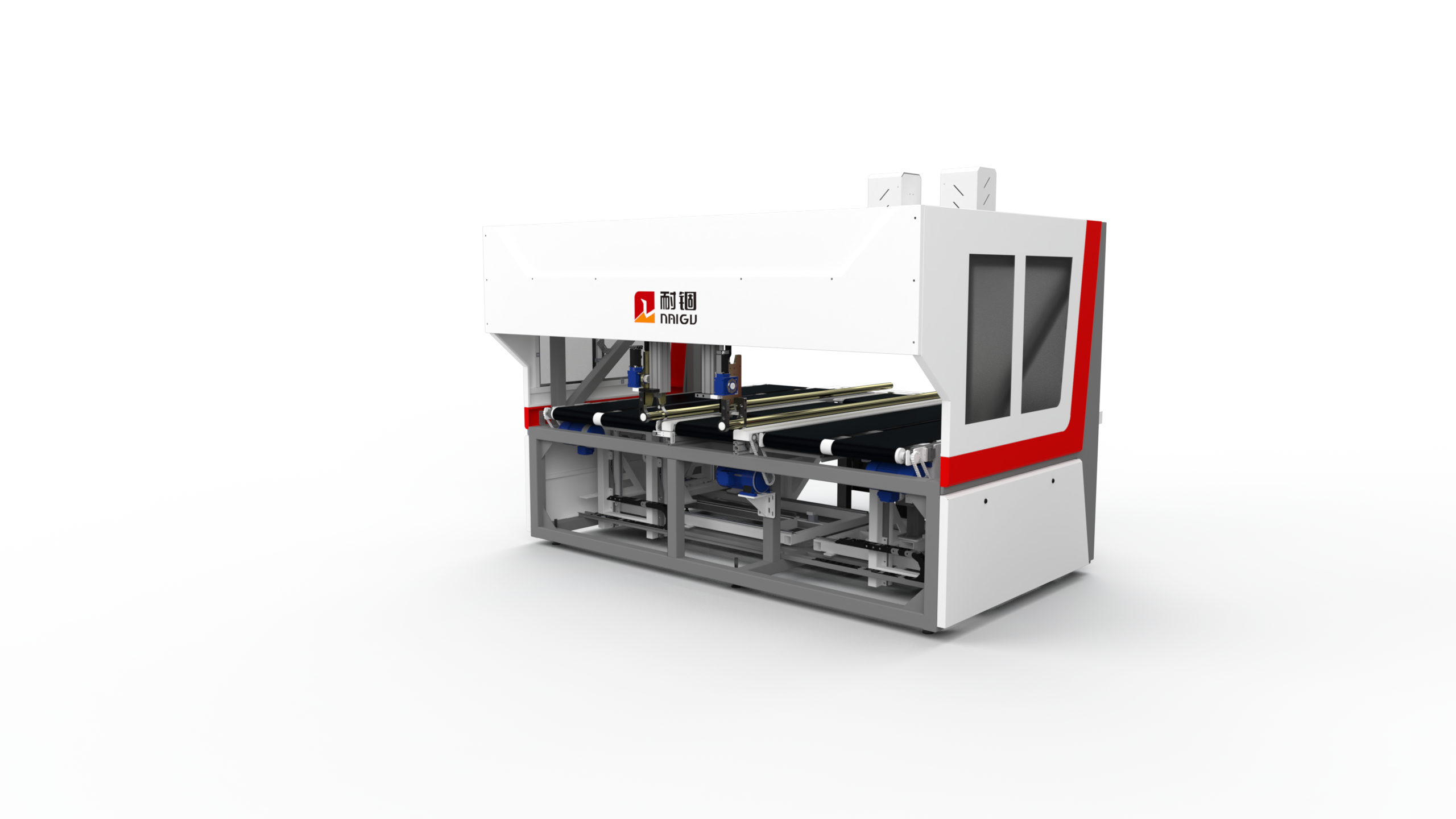
Modern mattress packing machines help automate these operations, reduce repetitive manual work, and create more consistent production workflows. The level of labor reduction depends on the machine configuration, factory layout, mattress specifications, and production volume.
1. Automate Repetitive Packing Operations
Manual mattress packing can require several workers to handle different stages of the process. Depending on the packing method, these tasks may include mattress positioning, film wrapping, sealing, cutting, and finished-package handling.
Automatic mattress packing machines can combine multiple operations into one workflow. For example, a machine may automatically feed film, wrap the mattress, and complete sealing and cutting according to its configuration.
By reducing the number of manual steps, manufacturers can allocate workers more efficiently and reduce repetitive handling during daily production.
2. Reduce Manual Handling of Heavy Mattresses
Mattresses can be bulky and difficult to move, particularly in factories handling large products or high production volumes. Repeated lifting, positioning, and transferring can increase the physical demands placed on workers.
Suitable mattress packing equipment can assist with feeding, positioning, compression, and transfer operations. Some automated lines can also connect packing equipment with conveyors or other material-handling systems.
These solutions can reduce certain manual handling tasks, although operators may still be needed for loading, monitoring, inspection, and finished-product movement.
3. Improve Labor Efficiency Through Compression and Roll Packing
Mattress compression and roll packing machines reduce the packed dimensions of compatible mattresses. Depending on the machine, compression, folding, rolling, and film packing may be integrated into a single production process.
Combining these operations can reduce the need for separate manual packing steps and simplify coordination between workstations.
Compact packages can also be easier to store and transport. However, not all mattress types are suitable for compression or roll packing. Manufacturers should evaluate mattress materials, construction, thickness, and recovery performance before selecting a machine.
4. Reduce Dependence on Manual Wrapping and Sealing
In manual packing operations, workers may need to wrap film around each mattress, adjust the material, seal the package, and trim excess film. These repetitive tasks can take considerable time in high-volume production.
Modern mattress packing machines can standardize film feeding, wrapping, heat sealing, and cutting, depending on the equipment model.
Automation helps reduce variations caused by different working methods and allows operators to focus on supervising the process rather than performing every operation manually.
Correct film selection and machine adjustment remain essential for reliable sealing and consistent package quality.
5. Reduce Rework and Improve Packing Consistency
Inconsistent manual packing may result in loose wrapping, damaged film, incomplete seals, or irregular package dimensions. Correcting these problems can consume additional labor and slow production.
Automatic equipment helps standardize key packing parameters and repeat operations more consistently. When combined with regular maintenance and quality inspections, this can reduce avoidable rework.
Manufacturers should monitor common defects, identify their causes, and establish suitable inspection procedures for different mattress models.
6. Improve Coordination Across the Production Line
Labor efficiency depends not only on the packing machine but also on how the entire factory workflow is organized.
If mattresses arrive at the packing station irregularly or finished products accumulate near the machine, workers may spend unnecessary time moving products and coordinating tasks.
Connecting mattress packing equipment with suitable conveyors, inspection stations, and finished-goods handling systems can help streamline material flow.
For larger factories, integrated packing lines may reduce manual transfers between production stages. Smaller factories may achieve useful improvements with a semi-automatic machine and a well-organized workstation.
7. Match the Automation Level to Production Needs
Not every mattress factory needs a fully automatic packing line. Choosing the right level of automation helps balance equipment investment, labor requirements, and production targets.
Common options include:
-
Manual packing: Suitable for some low-volume operations, but requires more direct worker involvement.
-
Semi-automatic mattress packing machines: Automate selected operations while retaining manual loading or positioning.
-
Automatic mattress packing machines: Integrate more packing operations and reduce repetitive manual tasks.
-
Integrated mattress packing lines: Connect multiple stages to support higher-volume production workflows.
The best option depends on daily output, mattress types, available factory space, labor availability, and future expansion plans.
8. Calculate the Potential Labor Savings
Before purchasing a mattress packing machine, manufacturers should compare the current packing process with the expected automated workflow.
Important factors include:
-
Number of workers currently assigned to packing
-
Labor hours required per shift
-
Expected production volume
-
Operators needed to run the proposed equipment
-
Training, maintenance, and operating costs
-
Potential changes in packing speed and product quality
For example, if automation reduces the number of labor hours required per mattress, a factory may be able to process more products with its existing workforce or reassign workers to other production tasks.
Actual savings should be calculated using the factory's own operating data. Automation does not eliminate every labor requirement, and the financial benefits depend on equipment utilization and overall production efficiency.
Conclusion
Modern mattress packing machines reduce labor requirements by automating repetitive operations, assisting with mattress handling, integrating packing processes, and improving workflow consistency.
For mattress manufacturers, the goal is not simply to replace manual work. It is to use labor more efficiently, reduce avoidable rework, and build a packing process that supports production targets.
By evaluating mattress specifications, daily output, available space, and automation needs, manufacturers can choose a mattress packing solution that fits their operations and long-term business plans.
NAIGU provides mattress packing machinery and customized solutions for mattress manufacturers with different production requirements. From semi-automatic packing machines to automatic mattress compression and roll packing solutions, suitable equipment can be selected according to your product specifications and factory workflow.
Contact NAIGU to discuss your production needs and explore a suitable mattress packing solution for your factory.


