Categories
Integrated Mattress Packing Systems for Modern Factories |NAIGU
Learn how integrated mattress packing systems help modern mattress factories connect bagging, compression, rolling, sealing, and other processes into an efficient workflow. Discover how automation can improve production efficiency, reduce labor, ensure consistent packing quality, and optimize storage and transportation.
Sep 1st,2026
54 Views
Modern mattress factories are under increasing pressure to improve production efficiency, reduce labor costs, and optimize logistics. An integrated mattress packing system connects multiple packing processes into a coordinated workflow, helping manufacturers create a more efficient and consistent production line.
What Is an Integrated Mattress Packing System?
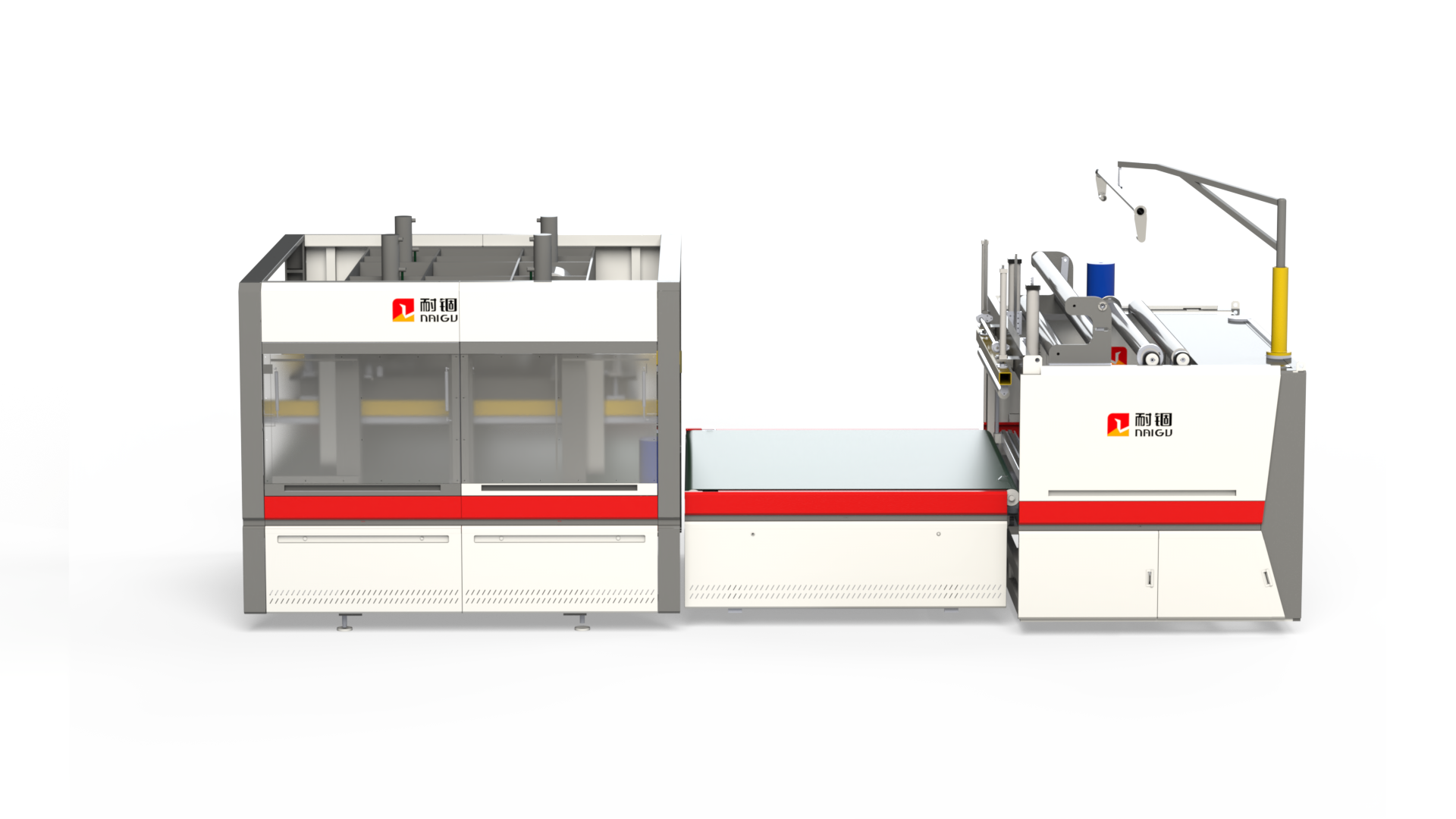
An integrated mattress packing system combines two or more packing processes into one coordinated production solution. Depending on factory requirements, the system may include mattress feeding, bagging, compression, folding, rolling, sealing, and product discharge.
Instead of moving mattresses manually between separate machines, an integrated system creates a smoother material flow from production to finished packing.
This approach is particularly useful for factories with high production volumes and multiple mattress sizes.
Why Modern Mattress Factories Need Integrated Packing
As mattress production increases, manual packing can become a major bottleneck. Even when the manufacturing line operates efficiently, slow packing processes can limit overall output.
An integrated packing system can help manufacturers:
-
Reduce manual handling
-
Improve production flow
-
Increase packing efficiency
-
Maintain consistent package quality
-
Reduce repetitive labor
-
Save factory floor space
-
Improve storage and transportation efficiency
For large-scale manufacturers, these improvements can contribute to better overall production management.
Key Components of an Integrated Mattress Packing System
The exact configuration depends on mattress specifications, production capacity, and packing requirements.
Mattress Feeding
Automated feeding equipment transfers mattresses into the packing process at a controlled speed. This helps synchronize the packing section with the upstream production line.
Mattress Bagging
A mattress bagging machine can automatically apply PE film or a protective plastic bag around the mattress. Automated bagging helps create consistent package dimensions and reduces manual wrapping.
Mattress Compression
Compression equipment reduces the thickness or overall volume of compatible mattresses. This is particularly useful for foam mattresses and products designed for compressed transportation.
Folding and Rolling
For roll-packed mattresses, the system can fold and roll the compressed mattress into a compact cylindrical package. This format is widely used to improve handling and transportation efficiency.
Sealing and Output
After compression or roll packing, the mattress can be sealed and transferred to the output area for inspection, storage, or palletizing.
Benefits of Integrated Mattress Packing
1. Higher Production Efficiency
Connecting multiple packing stages reduces waiting time between processes. A continuous workflow allows the factory to handle more mattresses within the same production period.
2. Reduced Labor Requirements
Automation minimizes repetitive manual operations such as moving, wrapping, compressing, and sealing mattresses. Workers can instead focus on machine operation, quality inspection, and production management.
3. Consistent Packing Quality
Automated equipment provides more consistent compression, sealing, and package dimensions. Consistency is especially important for manufacturers supplying retailers, distributors, and international markets.
4. Better Factory Space Utilization
An integrated solution can reduce unnecessary transfer areas between independent machines. With proper layout planning, factories can create a more organized production flow.
5. Improved Logistics
Compressed and roll-packed mattresses occupy less space than conventional full-size mattresses. This can help manufacturers optimize warehouse storage and container loading.
Choosing the Right Integrated Packing System
Before investing in an integrated mattress packing system, manufacturers should evaluate several important factors.
Production capacity: Determine the required mattresses per hour or per day and select equipment that can match the production target.
Mattress specifications: Consider mattress length, width, thickness, construction, and material. Different mattress types may require different compression and packing methods.
Product range: If the factory produces multiple mattress sizes, choose a system that can accommodate the required size range.
Packing film: Film width, thickness, strength, sealing performance, and compatibility with the equipment should be considered together with the machine.
Factory layout: The equipment configuration should fit the available production area while allowing sufficient space for operators, maintenance, and material handling.
Future expansion: A scalable system can make it easier for manufacturers to increase production capacity as market demand grows.
Integrated Systems for Mattress Exporters
For mattress manufacturers serving overseas markets, packing efficiency has a direct relationship with logistics.
Traditional mattresses can take up considerable container space. Compression and roll packing can create more compact units, potentially allowing manufacturers to make better use of available shipping capacity.
An integrated packing system therefore supports not only production automation but also the logistics side of international mattress distribution.
Semi-Automatic vs. Fully Automatic Systems
The ideal automation level depends on production volume and investment plans.
Semi-automatic systems can be suitable for growing factories that want to reduce manual work while maintaining some operator involvement.
Fully automatic systems are better suited to high-volume manufacturers that require continuous production and minimal manual intervention.
Rather than choosing the most automated solution available, manufacturers should select equipment based on actual production requirements and expected future growth.
Conclusion
An integrated mattress packing system can transform the final stage of mattress manufacturing by connecting feeding, bagging, compression, rolling, sealing, and output into a more efficient workflow.
For modern mattress factories, the right system can improve production efficiency, reduce repetitive labor, maintain consistent packing quality, and support more efficient storage and transportation.
When selecting equipment, manufacturers should consider production capacity, mattress specifications, film requirements, factory layout, automation level, and future expansion.
Looking for an integrated mattress packing solution? Contact NAIGU with your mattress specifications and production requirements to explore a suitable packing system for your factory.


