Categories
How to Reduce Downtime in Mattress Packaging Operations |NAIGU
Learn how to reduce downtime in mattress packaging operations with suitable mattress packing machines, film, maintenance, automation, and workflow improvements.
Sep 14th,2026
6 Views
Downtime in mattress packaging operations can reduce production efficiency, increase labor costs, and delay deliveries. For mattress manufacturers handling high production volumes, improving the reliability and efficiency of the packing process is an important part of overall factory management.
By selecting suitable mattress packing equipment, standardizing operating procedures, and maintaining machines regularly, manufacturers can reduce unnecessary interruptions and keep production running smoothly.
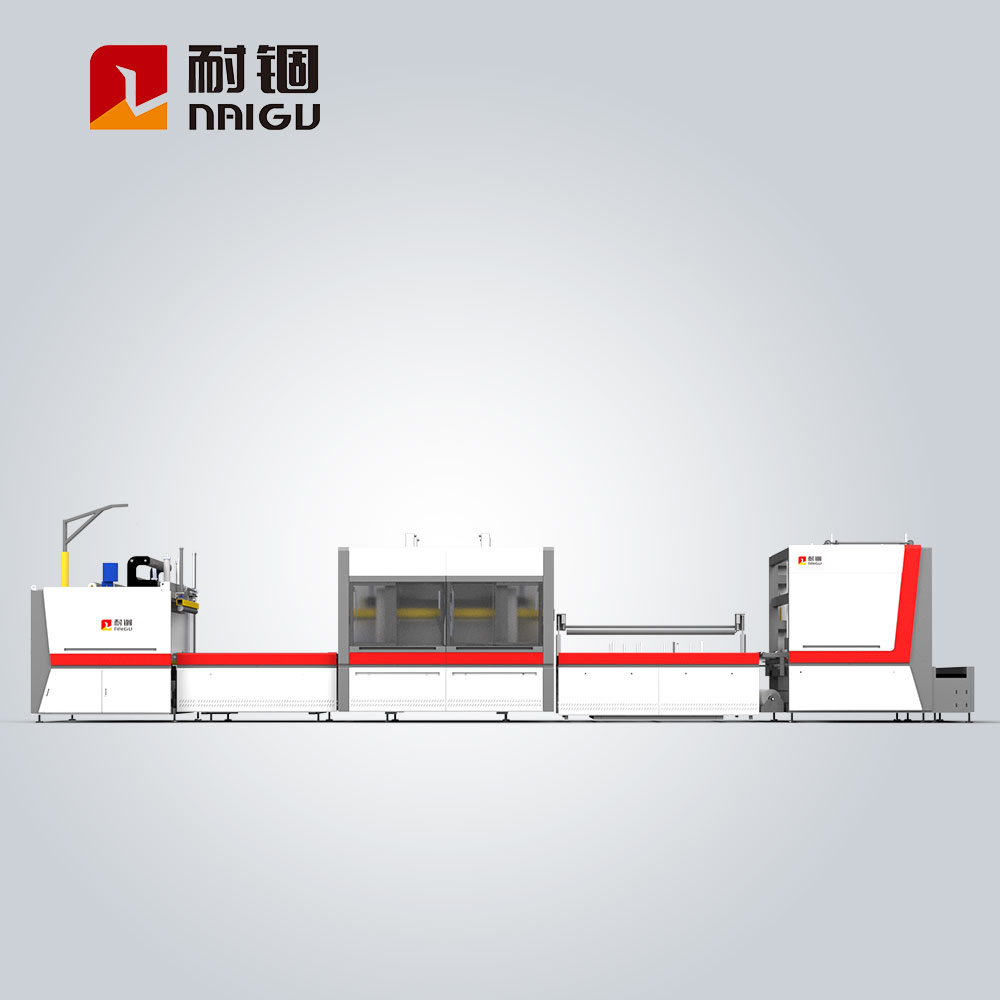
1. Choose the Right Mattress Packing Machine
The first step in reducing downtime is selecting equipment that matches your mattress specifications and production requirements.
A suitable mattress packing machine should be compatible with different mattress sizes, thicknesses, materials, and packing methods. If the machine is frequently overloaded or used outside its recommended specifications, unexpected stops and maintenance issues may occur.
Before purchasing equipment, manufacturers should consider:
-
Mattress dimensions and thickness
-
Required production capacity
-
Compression requirements
-
Folding or rolling requirements
-
Film specifications
-
Available factory space
-
Level of automation
Matching the machine to the production process can help improve stability and reduce unnecessary downtime.
2. Improve Mattress Packing Process Flow
Downtime does not always come from machine failure. Bottlenecks can also occur when mattresses, packing film, operators, or other materials are not ready when needed.
A well-organized packing line should provide a continuous flow from mattress production to compression, folding, sealing, rolling, labeling, and final handling.
Manufacturers can reduce waiting time by:
-
Preparing packing materials in advance
-
Maintaining sufficient film inventory
-
Organizing mattress transfer routes
-
Reducing unnecessary manual handling
-
Balancing production speed between different processes
A smoother workflow allows the packing equipment to operate closer to its designed capacity.
3. Use the Correct Packing Film
Packing film has a direct effect on packaging efficiency. Film that is too weak, inconsistent, or unsuitable for the machine may cause tearing, poor sealing, or repeated film replacement.
For compressed or roll-packed mattresses, the film should provide suitable strength, flexibility, and sealing performance for the application.
Before large-scale production, manufacturers should test the film with their actual mattress products and packing conditions. This can help identify potential film-related problems before they cause repeated production interruptions.
4. Perform Preventive Maintenance
Regular maintenance is one of the most effective ways to reduce unexpected machine downtime.
Instead of waiting until a component fails, operators should establish a preventive maintenance schedule based on machine usage and manufacturer recommendations.
Regular checks may include:
-
Electrical connections
-
Sensors
-
Heating and sealing components
-
Cutting systems
-
Pneumatic components
-
Conveyor systems
-
Motors and moving parts
-
Film feeding mechanisms
Early detection of wear or abnormal operation can prevent small problems from becoming longer production stoppages.
5. Train Operators Properly
Operator experience has a significant impact on packaging line stability. Incorrect settings or operating procedures can lead to film breaks, sealing problems, product jams, and unnecessary machine stops.
Operators should understand:
-
Machine operating procedures
-
Product size settings
-
Film installation
-
Compression parameters
-
Safety procedures
-
Basic troubleshooting
-
Daily maintenance requirements
Clear operating instructions and proper training can help operators identify common problems quickly and reduce recovery time.
6. Keep Critical Spare Parts Available
Waiting for spare parts can turn a short machine problem into a long production delay.
Mattress manufacturers should identify critical components and keep appropriate spare parts available. Depending on the equipment, these may include sensors, heating elements, cutting components, electrical parts, pneumatic components, and other frequently used items.
Having critical spare parts available allows maintenance teams to respond faster when a component needs replacement.
7. Monitor Common Causes of Downtime
Factories can improve packaging efficiency by recording when and why downtime occurs.
For example, downtime can be categorized into:
-
Machine breakdown
-
Film replacement
-
Product adjustment
-
Material shortage
-
Operator error
-
Cleaning and maintenance
-
Product jams
-
Quality inspection
-
Changeover
After collecting this information, manufacturers can identify the most frequent causes and prioritize improvements.
For example, if film replacement accounts for a large amount of downtime, improving film preparation and feeding procedures may have a significant effect on overall productivity.
8. Consider Automated Mattress Packing Solutions
For manufacturers with high production volumes, automation can reduce dependence on manual operations and improve process consistency.
Automated mattress packing solutions can integrate multiple processes such as compression, folding, sealing, and roll packing. Depending on the production requirements, an automated line can help reduce manual handling and create a more consistent packing workflow.
Automation is particularly useful when manufacturers need to process large numbers of mattresses with consistent product specifications.
9. Reduce Changeover Time
Mattress factories may produce different sizes and thicknesses during the same production day. Frequent product changes can create additional downtime if machine adjustments take too long.
Manufacturers can reduce changeover time by:
-
Standardizing product specifications
-
Preparing materials before changeover
-
Using machines with convenient adjustment systems
-
Creating standardized setup procedures
-
Training operators for different product sizes
Shorter changeover times allow more productive hours within the same working shift.
10. Build a Reliable Mattress Packing System
Reducing downtime is not simply about purchasing a faster machine. It requires coordination between equipment, film, operators, maintenance, and production planning.
A reliable mattress packing system should combine:
Suitable equipment + compatible packing film + trained operators + preventive maintenance + efficient workflow
When these elements work together, manufacturers can reduce unexpected interruptions, improve production efficiency, and maintain more stable delivery schedules.
Conclusion
Reducing downtime in mattress packaging operations can help manufacturers improve production efficiency and control operating costs. The most effective approach is to evaluate the entire packing process rather than focusing on machine speed alone.
Choosing the right mattress packing machine, using suitable PE packing film, maintaining equipment regularly, training operators, preparing spare parts, and improving workflow can all contribute to a more reliable packaging operation.
For mattress manufacturers planning to improve their production capacity, an integrated mattress packing solution can provide a practical way to streamline compression, folding, sealing, and roll packing processes.


