Categories
How Different Sofa Materials Respond to Compression Packing |NAIGU
Different sofa materials respond differently to compression packing. This article explains how fabric, leather, foam, cushions, and internal frames affect compression results and what furniture manufacturers should consider when selecting sofa compression packing solutions.
Sep 14th,2026
9 Views
Sofa compression packing can significantly reduce product volume during storage and transportation, but different sofa materials respond differently to compression. Foam density, upholstery fabric, internal structure, and cushion design all affect how a sofa behaves during compression and recovery.
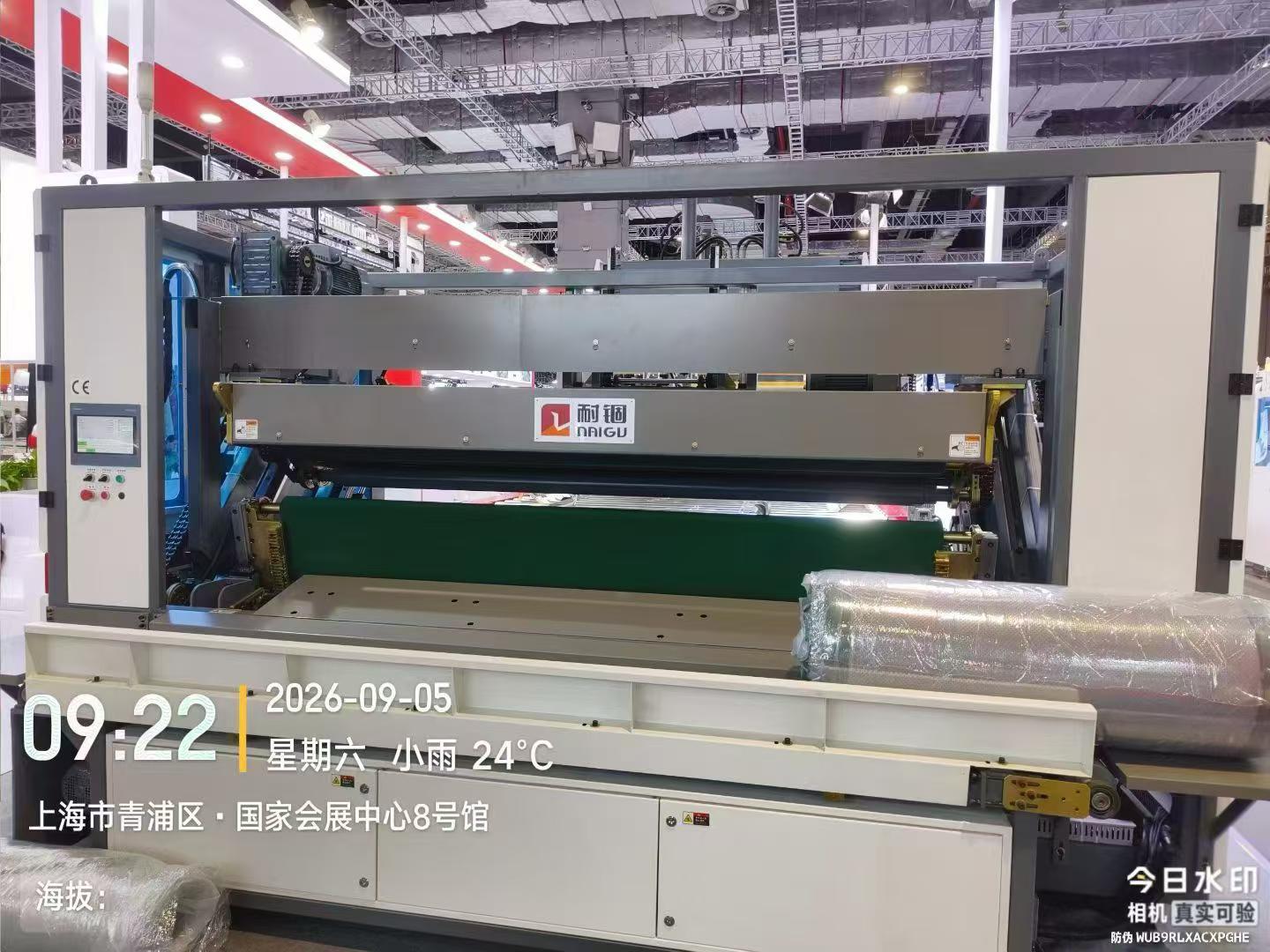
Understanding these differences helps furniture manufacturers select suitable sofa compression packing methods, film, and machine settings.
1. Fabric Sofas
Fabric sofas are commonly suitable for compression packing when their internal structure and cushioning materials are compatible with the process.
During compression, air inside the cushions and foam layers is removed, reducing the overall volume. After unpacking, the sofa gradually returns toward its original shape.
Important factors include:
-
Foam recovery performance
-
Fabric flexibility
-
Cushion construction
-
Compression pressure
-
Storage duration
Manufacturers should test representative sofa models before applying compression packing to large-scale production.
2. Leather Sofas
Leather requires more careful handling during compression because the upholstery has different flexibility and surface characteristics compared with fabric.
Excessive compression or unsuitable packing conditions may create temporary surface marks or affect the appearance of the upholstery.
For leather sofas, manufacturers should evaluate:
-
Leather type and thickness
-
Surface finish
-
Cushion structure
-
Compression level
-
Packing film performance
-
Recovery time after unpacking
Controlled compression and appropriate protection can help maintain product appearance during transportation.
3. High-Density Foam Sofas
High-density foam generally provides strong structural support but may require different compression conditions from softer foam.
Because foam density affects compression resistance and recovery behavior, manufacturers should avoid applying the same settings to every sofa model.
Before production, testing can help determine suitable:
-
Compression pressure
-
Compression time
-
Roll diameter
-
Packing film strength
This can improve consistency while reducing the risk of over-compression.
4. Low-Density Foam Sofas
Softer foam is usually easier to compress, which can provide significant volume reduction. However, its recovery characteristics need to be considered.
If a sofa remains compressed for an extended period, manufacturers should verify that the foam can recover properly after unpacking.
Production tests should evaluate the sofa immediately after unpacking as well as after a suitable recovery period.
5. Sofa Cushions and Loose Components
Removable cushions can behave differently from the main sofa frame. Their size, foam density, filling material, and construction can affect how efficiently they respond to compression.
For sofa sets with multiple cushions, manufacturers should consider how components are arranged before compression and roll packing.
Efficient arrangement can help:
-
Reduce overall volume
-
Improve roll shape
-
Protect upholstery
-
Simplify handling
-
Improve container utilization
6. Wooden and Metal Internal Frames
The internal frame does not compress in the same way as foam or cushions. Wooden and metal structures generally maintain their physical dimensions while the surrounding soft materials are compressed.
This means the sofa's internal construction is an important factor when selecting a sofa compression packing machine.
Manufacturers should confirm the maximum compression range and ensure that the machine is suitable for the sofa's structure.
7. Why Packing Film Matters
The packing film must withstand the forces generated during compression while maintaining a secure package.
A suitable sofa packing film should offer appropriate strength, flexibility, and sealing performance. Film selection may vary according to sofa size, weight, compression ratio, and transportation requirements.
Testing the film together with the actual sofa model is recommended before mass production.
8. Different Materials Require Different Packing Settings
There is no single compression setting that works perfectly for every sofa.
For example:
Sofa characteristic
|
Key consideration
|
Soft foam
|
Recovery performance
|
High-density foam
|
Compression resistance
|
Fabric upholstery
|
Surface protection
|
Leather upholstery
|
Appearance and surface marks
|
Large cushions
|
Compression and arrangement
|
Rigid frame
|
Machine compatibility
|
This is why furniture manufacturers should evaluate each major sofa category before standardizing production parameters.
9. The Role of Sofa Compression and Roll Packing Solutions
Modern sofa compression and roll packing solutions can combine compression, folding, sealing, and rolling processes to reduce package volume and simplify transportation.
For furniture manufacturers producing multiple sofa models, equipment with adjustable settings can provide greater flexibility than a system designed for only one product specification.
The goal is not simply to achieve the highest compression ratio. A practical solution should balance:
Volume reduction + product recovery + upholstery protection + packing stability + production efficiency.
Conclusion
Different sofa materials and structures respond differently to compression packing. Foam density, upholstery material, cushion construction, and internal frames all influence the appropriate compression conditions.
Furniture manufacturers can achieve more consistent results by testing each sofa category, selecting suitable packing film, and adjusting machine parameters according to the product.
For factories handling multiple sofa models, a flexible sofa compression and roll packing solution can help reduce shipping volume while maintaining product quality and improving packing efficiency.


