Categories
How to Improve Sofa Packing Changeover Efficiency | NAIGU
Learn how sofa manufacturers can reduce packing changeover time through better production planning, material preparation, adjustable machinery, operator training, and standardized procedures.
Nov 23rd,2026
0 Views
Sofa manufacturers often handle multiple product models, sizes, designs, and fabric materials within the same production facility. As customer orders become more diverse, switching between different sofa specifications can create challenges for packing operations.
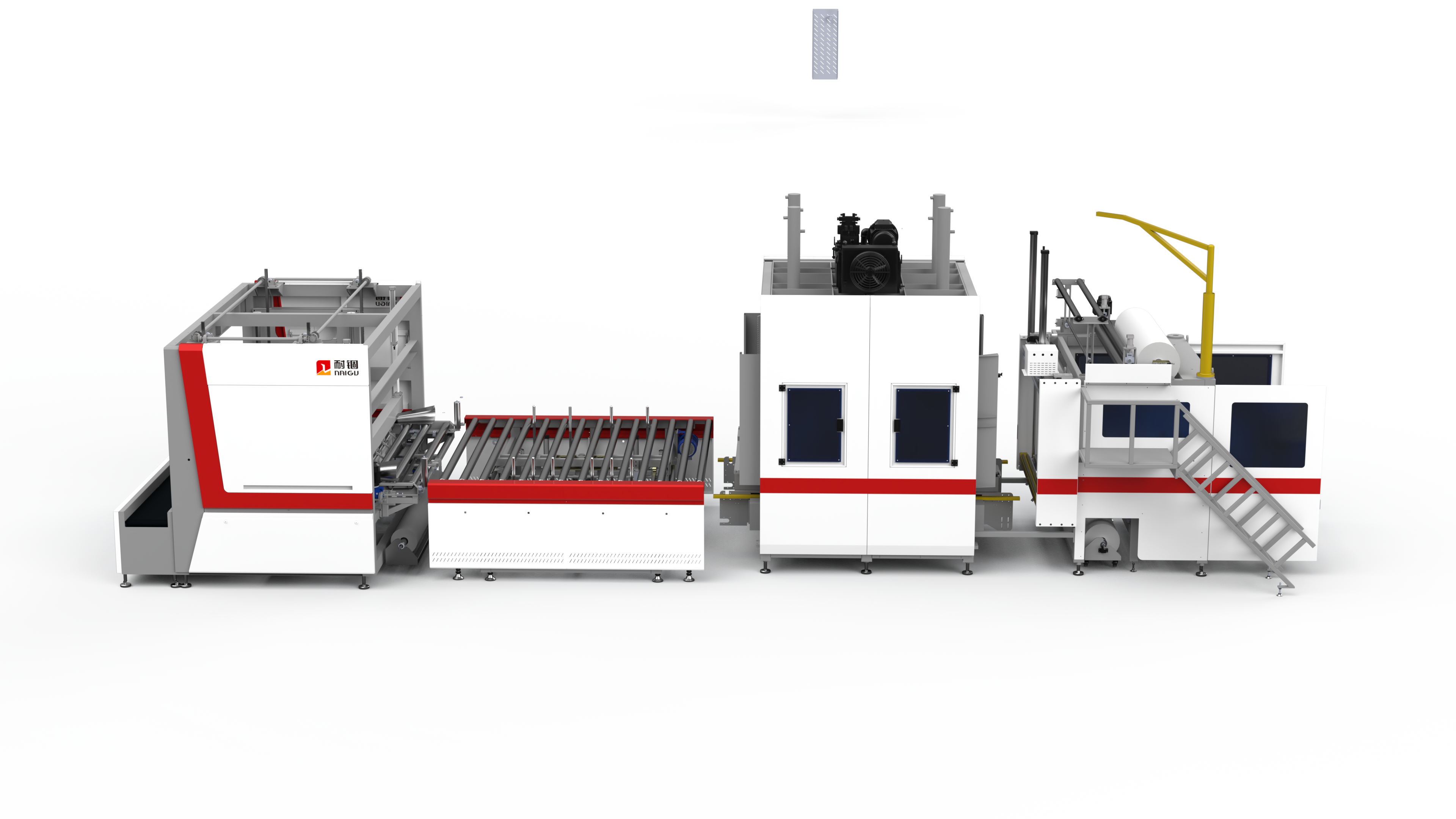
Frequent production changeovers may increase machine adjustment time, require additional operator involvement, and interrupt the overall packing workflow. Without proper planning, these interruptions can reduce equipment utilization and affect order delivery schedules.
Improving changeover efficiency is therefore an important consideration for sofa factories looking to increase production flexibility while maintaining consistent packing quality.
This article explores practical ways to reduce changeover time and improve efficiency in sofa packing operations.
1. Standardize Sofa Product Specifications Before Packing
One of the main causes of inefficient changeovers is incomplete or inconsistent product information.
Different sofa models may vary in length, width, height, armrest structure, cushion configuration, and material characteristics. These differences directly affect packing requirements.
Before production begins, manufacturers should establish clear product specifications, including:
-
Sofa model and product identification
-
Overall length, width, and height
-
Sofa structure and cushion configuration
-
Fabric and upholstery characteristics
-
Required compression level
-
Folding or rolling requirements
-
Packing film and finished package specifications
Standardized product information allows operators to prepare the correct machine settings and packing materials before a new order reaches the packing station.
2. Group Production Orders by Similar Sofa Specifications
Production scheduling has a direct impact on packing changeover frequency.
When factories switch repeatedly between products with significantly different dimensions or structures, operators may need to make frequent adjustments to equipment and material configurations.
A more efficient approach is to group production orders according to similar characteristics.
For example, manufacturers can organize orders based on:
-
Similar sofa dimensions
-
Comparable sofa structures
-
Similar compression requirements
-
Matching packing film specifications
-
Similar finished package dimensions
This approach helps reduce unnecessary machine adjustments and makes production transitions more predictable.
However, production scheduling should also consider delivery deadlines and customer priorities.
3. Prepare Packing Materials Before Changing Orders
Material preparation is another important factor affecting changeover efficiency.
If operators need to search for packing film, labels, or other materials after completing the previous order, the packing line may remain idle unnecessarily.
Factories can reduce these delays by preparing materials in advance.
Recommended practices include:
Prepare film according to the next production order
Confirm the required film width, thickness, and material type before the changeover begins.
Organize materials by product model
Clearly label packing materials to reduce selection errors.
Check material availability
Ensure sufficient packing materials are available for the upcoming production batch.
Prepare auxiliary packing supplies
Keep labels and other necessary packing accessories ready before production resumes.
A well-organized material preparation system helps operators complete order transitions more efficiently.
4. Use Adjustable Sofa Compression and Roll Packing Machines
Machine adjustment requirements are among the most important factors affecting changeover time.
Sofa products vary considerably in size, shape, upholstery materials, and internal structures. Equipment that cannot accommodate these variations may require extensive manual adjustments between production orders.
When selecting sofa packing machinery, manufacturers should evaluate the following features:
-
Adjustable working dimensions
-
Flexible compression settings
-
Adaptability to different sofa models
-
Convenient operating parameter adjustments
-
Stable film feeding and wrapping systems
-
Compatibility with different packing requirements
For factories producing multiple sofa models, adjustable compression and roll packing equipment can help reduce setup difficulties and support more flexible production scheduling.
The machine configuration should be selected according to the actual sofa dimensions, materials, and required finished package specifications.
5. Establish Standardized Machine Setup Procedures
Without standardized setup procedures, different operators may use different adjustment methods when switching between production orders.
This can increase setup time and create inconsistent packing results.
Manufacturers should establish documented machine setup procedures for common sofa models.
A setup checklist may include:
Setup item
|
Key considerations
|
Product dimensions
|
Confirm sofa measurements
|
Machine parameters
|
Select suitable operating settings
|
Compression settings
|
Adjust according to sofa structure
|
Packing film
|
Confirm width and material specifications
|
Rolling settings
|
Check finished roll requirements
|
Safety inspection
|
Confirm machine operating conditions
|
Test packing
|
Verify packing quality before mass production
|
For frequently manufactured sofa models, factories can maintain standardized setup records to help operators repeat previously tested configurations.
6. Improve Communication Between Production and Packing Departments
Packing efficiency depends not only on machinery but also on coordination between different departments.
If the packing department receives incomplete order information or unexpected changes in production schedules, operators may not have enough time to prepare for the next batch.
To improve coordination, manufacturers should establish a clear information-sharing process.
Production planners should communicate:
-
Upcoming sofa models
-
Expected production quantities
-
Order priorities
-
Product specification changes
-
Estimated arrival times at the packing station
-
Special packing requirements
Providing advance notice allows the packing department to prepare equipment and materials before the previous production batch is completed.
This reduces waiting time and helps maintain a more continuous production flow.
7. Train Operators to Handle Different Sofa Models
Operator experience is essential for maintaining efficient changeovers.
Workers need to understand how different sofa dimensions, materials, and structures affect compression and packing operations.
Training should cover:
-
Reading sofa product specifications
-
Identifying differences between sofa models
-
Adjusting machine parameters
-
Selecting appropriate packing materials
-
Performing test packing
-
Identifying abnormal machine conditions
-
Following standardized operating procedures
Cross-training operators can also reduce dependence on individual workers and make production scheduling more flexible.
When operators are familiar with multiple product configurations, factories can respond more effectively to changing order requirements.
8. Optimize Factory Layout and Material Movement
An inefficient factory layout can increase changeover time even when packing machinery performs reliably.
If packing materials are stored far from the production line, or finished products block access to equipment, operators may spend unnecessary time moving materials and reorganizing work areas.
Manufacturers should consider the following improvements:
-
Place frequently used packing materials near the packing station.
-
Establish clearly defined material storage areas.
-
Separate incoming sofas from finished packed products.
-
Maintain sufficient space around packing machinery.
-
Organize material replenishment routes.
-
Keep operator access areas clear.
A well-organized packing area helps reduce unnecessary movement and supports smoother transitions between production orders.
9. Monitor Changeover Time and Packing Performance
Factories need measurable indicators to determine whether their changeover improvements are effective.
Instead of evaluating efficiency only through total daily output, production managers should monitor individual changeover activities.
Useful performance indicators include:
KPI
|
What it measures
|
Changeover time
|
Time required to switch between sofa models
|
Machine utilization
|
Percentage of available operating time used for production
|
First-pass packing rate
|
Percentage of products passing initial packing inspection
|
Material waste
|
Packing materials consumed unnecessarily
|
Production downtime
|
Time lost during machine adjustments
|
Daily packing output
|
Total number of sofas packed per shift
|
Manufacturers can compare performance before and after implementing new procedures to identify which improvements deliver the greatest benefits.
Regular performance reviews also help identify recurring delays and opportunities for further optimization.
10. Apply a Systematic Changeover Improvement Strategy
For factories handling frequent sofa model changes, a structured improvement strategy can make packing operations more predictable.
A practical implementation process includes:
Step 1: Record current changeover performance
Measure how much time operators spend switching between different sofa models.
Step 2: Identify major sources of delay
Determine whether delays are caused by machine adjustments, material preparation, incomplete specifications, or communication problems.
Step 3: Standardize common procedures
Create setup checklists and product-specific operating records.
Step 4: Prepare materials in advance
Ensure that the next production order's packing materials are ready before the current batch finishes.
Step 5: Evaluate equipment flexibility
Identify whether existing machinery can handle different sofa specifications efficiently.
Step 6: Review results and improve continuously
Track changeover time, packing quality, and machine utilization to measure progress.
This systematic approach helps manufacturers improve operational efficiency without making unnecessary equipment investments.
Conclusion
Improving changeover efficiency in sofa packing operations requires coordination between production planning, material preparation, machine adjustment, operator training, and factory layout management.
For sofa manufacturers handling multiple models and customized orders, reducing unnecessary setup activities can help increase machine utilization, improve production flexibility, and maintain consistent packing quality.
Adjustable sofa compression and roll packing machinery, combined with standardized operating procedures and better production coordination, can provide a practical foundation for more efficient packing operations.
NAIGU provides sofa compression and roll packing solutions designed for different sofa dimensions and production requirements. Our equipment portfolio includes sofa compression roll packing machines and customized packing line solutions.
Contact NAIGU to discuss your sofa specifications, production capacity, and packing requirements. Our team can help evaluate suitable equipment configurations for your factory.