Categories
How Preventive Maintenance Supports Reliable Sofa Packing Operations |NAIGU
Learn how preventive maintenance improves sofa packing machine reliability. Explore daily inspections, compression system checks, film feeding maintenance, and equipment care.
Nov 20th,2026
4 Views
For sofa manufacturers, packing is the final stage before finished products enter storage, distribution, or shipment. Any unexpected equipment downtime at this stage can interrupt production flow, delay deliveries, and increase operating costs.
Sofa compression and roll packing machines often operate under demanding production conditions. Regular maintenance is therefore essential for keeping equipment reliable and maintaining consistent packing quality.
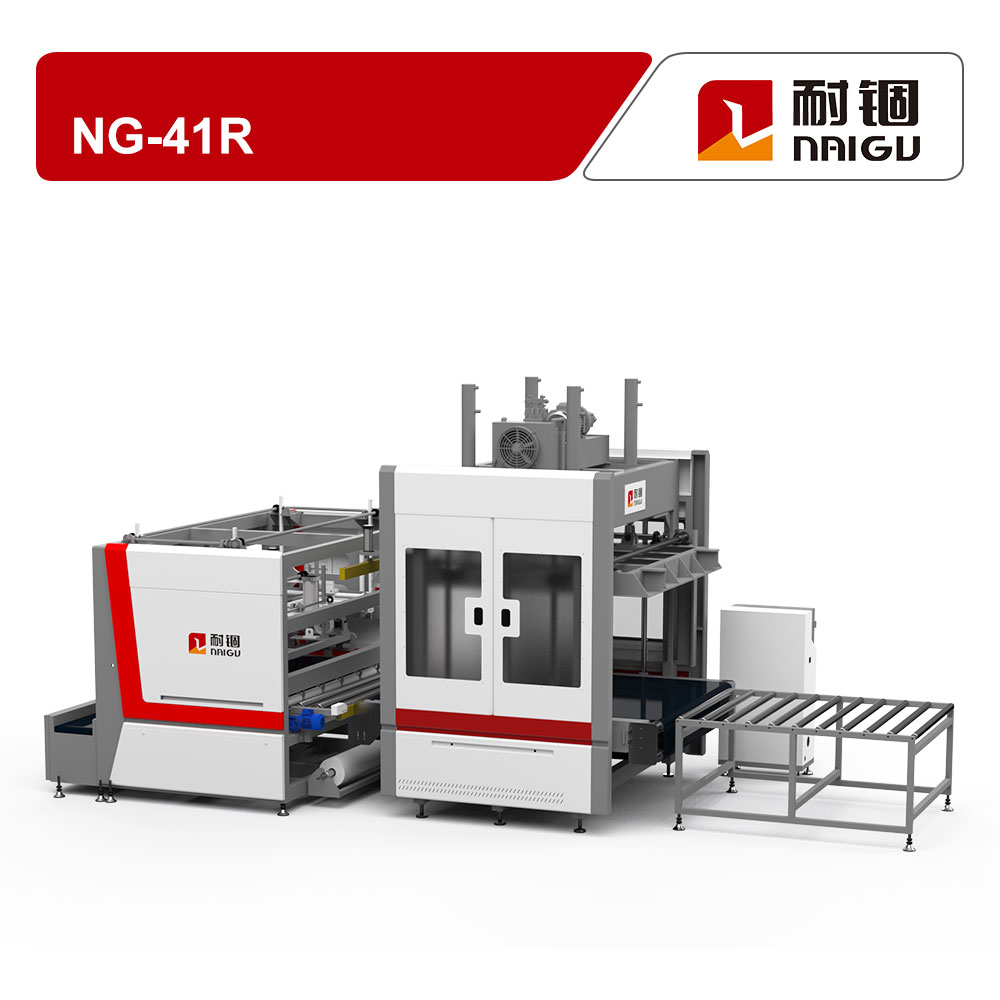
Preventive maintenance focuses on identifying potential problems before they develop into unexpected equipment failures. With a structured maintenance program, sofa factories can improve equipment availability, reduce downtime, and extend the service life of their packing machinery.
This guide explains how preventive maintenance supports reliable sofa packing operations and what manufacturers should include in their maintenance plans.
1. Understand the Importance of Preventive Maintenance
Preventive maintenance involves regularly inspecting, cleaning, adjusting, and servicing machinery according to a planned schedule.
Unlike corrective maintenance, which takes place after equipment problems occur, preventive maintenance aims to identify wear, abnormal conditions, and potential failures in advance.
For sofa packing operations, its main benefits include:
-
Reducing unexpected equipment downtime
-
Maintaining consistent packing performance
-
Identifying worn components earlier
-
Improving production scheduling
-
Supporting safer machine operation
-
Reducing the risk of costly emergency repairs
A well-maintained packing machine is more likely to operate consistently during daily production and support the factory's delivery commitments.
2. Establish a Daily Machine Inspection Routine
Daily inspections help operators identify visible problems before starting production.
A simple checklist should cover the machine's general condition and the main operating areas.
Important inspection points include:
Machine Appearance and Cleanliness
Check for accumulated dust, film scraps, foam particles, and other materials around the equipment.
Mechanical Components
Look for visible looseness, abnormal wear, damaged parts, or unusual movement.
Electrical Connections
Check for visible damage to cables, connectors, and control components. Electrical inspections and repairs should be performed by qualified personnel.
Pneumatic and Hydraulic Systems
Where applicable, inspect connections, hoses, pressure indicators, and visible signs of leakage according to the manufacturer's instructions.
Safety Devices
Check emergency stops, guards, sensors, and other safety-related components according to the approved inspection procedure.
Any abnormal condition should be reported and evaluated before normal production continues.
3. Maintain the Compression System
The compression system is one of the most important parts of a sofa compression packing machine.
It applies controlled pressure to reduce the packaged product's volume according to the machine design and product requirements.
Maintenance should focus on the condition of relevant mechanical components, actuators, pressure systems, and control devices.
Manufacturers should pay attention to:
-
Visible wear or damage to compression components
-
Unusual vibration or movement
-
Abnormal operating sounds
-
Air or hydraulic leakage, where applicable
-
Changes in compression performance
-
Loose mechanical connections
The compression system should be inspected and maintained according to the equipment manufacturer's maintenance manual.
Any adjustment involving operating pressure, compression force, or safety limits should only be performed by trained and authorized personnel.
4. Inspect the Film Feeding and Sealing Systems
Packing film plays an important role in package protection and appearance.
Problems with film feeding or sealing can lead to inconsistent packaging, material waste, and production interruptions.
Regular inspection should cover:
Film Feeding Components
Check whether the film rolls are properly positioned and whether feeding components operate smoothly.
Film Tension and Alignment
Observe whether the film moves consistently through the packing process. Irregular feeding may affect the finished package.
Sealing Components
Inspect sealing surfaces for accumulated film residue, visible wear, or damage.
Cutting Components
Where the machine includes cutting functions, inspect the relevant components according to the manufacturer's maintenance instructions.
Film specifications should also match the machine's requirements. Incorrect film width, thickness, or material properties may affect feeding and sealing performance.
5. Check Mechanical Transmission Components
Mechanical transmission components support the movement of different machine sections.
Depending on the machine design, these may include motors, belts, chains, bearings, rollers, and transmission assemblies.
Over time, continuous operation can cause component wear and affect machine performance.
Maintenance activities may include:
-
Checking belts and chains for visible wear
-
Inspecting rollers for damage or material buildup
-
Checking bearings for abnormal noise
-
Monitoring motor operating conditions
-
Checking mechanical connections
-
Applying lubrication where specified by the manufacturer
Not every component requires the same maintenance interval or lubricant.
Factories should follow the equipment manual rather than applying general maintenance practices to components with different requirements.
6. Keep Sensors and Electrical Control Systems in Good Condition
Modern sofa packing machines may use sensors, control panels, and electrical systems to coordinate different operating stages.
These components help control machine movement, monitor operating conditions, and support consistent packing procedures.
Preventive maintenance should include:
-
Checking sensor surfaces for dust or obstruction
-
Inspecting visible cable and connector conditions
-
Monitoring control panel warnings
-
Checking the operation of approved safety devices
-
Recording recurring electrical or control-related alarms
Sensor adjustments, electrical repairs, and control system modifications should be handled by qualified technicians.
Avoid bypassing safety devices or making unauthorized changes to machine control settings.
7. Create a Preventive Maintenance Schedule
A structured maintenance schedule helps factories organize inspection tasks and avoid overlooking important components.
The exact maintenance intervals depend on machine design, operating hours, production intensity, and the manufacturer's recommendations.
A sample maintenance framework is shown below:
Maintenance Frequency
|
Suggested Activities
|
Daily
|
Clean machine areas, check visible components, inspect safety devices
|
Weekly
|
Review film feeding, inspect mechanical connections, check for unusual noise
|
Monthly
|
Review transmission components, inspect electrical connections, check system performance
|
Periodically
|
Conduct professional inspection, replace worn parts, review maintenance records
|
This table is a general planning reference, not a replacement for the maintenance schedule supplied with the machine.
Manufacturers should adjust the schedule according to actual operating conditions and technical guidance.
8. Train Operators to Recognize Early Warning Signs
Operators work with packing equipment every day and are often the first to notice abnormal operating conditions.
Training them to recognize early warning signs can help prevent minor issues from becoming major production problems.
Warning signs may include:
-
Unusual machine noise
-
Increased vibration
-
Irregular film feeding
-
Inconsistent sealing results
-
Unexpected machine stops
-
Repeated control panel alarms
-
Changes in normal operating cycles
Operators should know how to stop the machine safely, report problems, and follow approved procedures.
They should not attempt repairs or adjustments beyond their training and authorization.
9. Keep Maintenance and Spare Parts Records
Maintenance records provide useful information about equipment condition and recurring problems.
A maintenance log should include:
-
Inspection date
-
Machine operating hours
-
Maintenance tasks completed
-
Components inspected or replaced
-
Problems identified
-
Repair details
-
Responsible personnel
-
Next scheduled inspection
Factories should also maintain an appropriate inventory of essential spare parts based on equipment requirements and supplier recommendations.
Keeping accurate records makes it easier to identify recurring issues, plan component replacement, and organize maintenance budgets.
10. Work with a Reliable Equipment Manufacturer
Preventive maintenance is more effective when supported by clear technical documentation and professional after-sales service.
Before purchasing a sofa compression and roll packing machine, manufacturers should ask the equipment supplier about:
-
Recommended maintenance intervals
-
Daily inspection procedures
-
Lubrication requirements
-
Common wear parts
-
Spare parts availability
-
Operator training
-
Technical support
-
Installation and commissioning services
When selecting packing equipment, manufacturers should consider not only machine performance but also maintenance requirements, technical support, and long-term operating costs.
With suitable equipment and a consistent maintenance program, sofa factories can improve packing reliability and maintain a more stable production workflow.
Contact NAIGU to discuss your sofa packing requirements and explore suitable equipment solutions.
Frequently Asked Questions
1. Why is preventive maintenance important for sofa packing machines?
It helps identify potential equipment problems early, reduce unexpected downtime, maintain packing consistency, and support more reliable production operations.
2. How often should a sofa compression packing machine be maintained?
Daily inspections should be combined with weekly, monthly, and periodic maintenance activities. The actual schedule should follow the equipment manufacturer's recommendations and operating conditions.
3. Which components require regular inspection?
Important areas may include compression components, film feeding systems, sealing and cutting components, transmission parts, sensors, electrical systems, and safety devices.
4. Can preventive maintenance reduce packing material waste?
Yes. Maintaining film feeding, alignment, and sealing components can help reduce packing defects and unnecessary material consumption.
5. Should machine operators perform maintenance themselves?
Operators can perform approved daily cleaning and visual inspections after receiving proper training. Technical repairs, electrical work, and adjustments involving safety systems should be handled by qualified personnel.
6. What should manufacturers ask before purchasing a sofa packing machine?
Ask about maintenance requirements, spare parts, operator training, technical documentation, warranty conditions, and after-sales support. These factors influence long-term equipment reliability.


