Categories
Automatic vs. Semi-Automatic Pillow Packing Machines: Key Differences |NAIGU
Compare automatic and semi-automatic pillow packing machines. Explore production capacity, labor requirements, packing quality, investment costs, and equipment selection.
Nov 20th,2026
4 Views
As the demand for efficiently packed pillows continues to grow, manufacturers are paying more attention to packing automation. An efficient packing process helps improve production consistency, reduce manual handling, and prepare finished products for storage and transportation.
When choosing pillow packing equipment, manufacturers often compare automatic and semi-automatic machines. Both options can improve packing operations, but they differ in automation level, labor requirements, production workflow, and investment costs.
Understanding these differences helps pillow manufacturers select equipment that matches their production capacity and business objectives.
1. How Do Automatic and Semi-Automatic Pillow Packing Machines Work?
The main difference between automatic and semi-automatic pillow packing machines is the level of operator involvement.
Semi-Automatic Pillow Packing Machines
Semi-automatic equipment combines mechanical packing functions with manual operations.
Depending on the machine configuration, operators may need to position pillows, load products, assist with material handling, or complete certain steps during the packing cycle.
The machine performs designated mechanical operations, helping improve packing consistency compared with fully manual methods.
Semi-automatic equipment may be suitable for manufacturers with moderate production volumes or businesses transitioning from manual packing to mechanized operations.
Automatic Pillow Packing Machines
Automatic pillow packing machines integrate more operations into a coordinated production process.
Depending on the system design, functions may include automatic feeding, product positioning, compression, rolling, film wrapping, and sealing.
The actual automation level varies by machine configuration. Some systems automate several packing stages, while others require operators to assist with product loading or finished-package handling.
Automatic equipment is generally worth considering when manufacturers need to reduce repetitive manual operations and support higher-volume production.
2. Compare the Main Differences
Before purchasing equipment, manufacturers should evaluate the following factors.
Comparison Factor
|
Semi-Automatic
|
Automatic
|
Automation level
|
Partial automation
|
Higher automation
|
Product handling
|
More operator involvement
|
More automated handling, depending on configuration
|
Labor requirements
|
More manual participation
|
Reduced repetitive manual work
|
Production workflow
|
More operator-dependent
|
More standardized
|
Output consistency
|
Depends partly on operator handling
|
More consistent automated cycles
|
Initial investment
|
Generally lower
|
Generally higher
|
Production integration
|
Suitable for simpler workflows
|
Suitable for more integrated operations
|
Flexibility
|
Depends on manual adjustments
|
Depends on machine design and product range
|
Neither option is automatically the best choice for every factory. The right solution depends on production requirements, available labor, product specifications, and investment expectations.
3. Production Capacity: Which Machine Is More Suitable?
Production capacity is one of the most important considerations when selecting pillow packing equipment.
Semi-automatic machines may require additional operator time for loading, positioning, and unloading. As a result, the overall packing cycle can be influenced by operator experience and work arrangements.
Automatic machines can reduce certain manual steps and support more standardized packing cycles.
However, advertised machine speed should not be treated as guaranteed daily output.
Actual capacity depends on:
-
Pillow dimensions and weight
-
Filling material and product structure
-
Compression and rolling requirements
-
Product loading method
-
Film specifications
-
Machine adjustment time
-
Operator availability
-
Maintenance and downtime
For example, a factory producing several pillow sizes may experience different packing cycle times for each product.
Manufacturers should test representative products and confirm actual operating capacity before purchasing equipment.
4. Labor Requirements and Production Management
Labor requirements can significantly influence the long-term cost of pillow packing operations.
With semi-automatic equipment, employees may perform more manual tasks during the packing process. This provides flexibility but can make production output more dependent on operator availability.
Automatic systems can reduce repetitive handling and allow employees to focus more on:
-
Machine monitoring
-
Material preparation
-
Quality inspection
-
Finished-product handling
-
Routine equipment checks
However, automatic equipment still requires trained operators and appropriate maintenance arrangements.
When comparing labor requirements, manufacturers should evaluate the complete packing workflow rather than focusing only on the number of employees assigned to the machine.
5. Packing Quality and Product Protection
Packing quality is essential for pillow manufacturers supplying retailers, distributors, wholesalers, and online businesses.
A suitable packing machine can help standardize the finished package and improve product presentation.
Important factors include:
Compression Consistency
Compression settings should match the pillow's filling material and product construction.
Package Appearance
Consistent film positioning and sealing help create a neat finished package.
Product Protection
The selected packing method should protect pillows against dust, moisture, and handling conditions during storage and transportation.
Product Recovery
For compressed pillows, manufacturers should evaluate whether the product returns to its intended shape after unpacking.
Both automatic and semi-automatic machines can support good packing results when properly selected, adjusted, and operated.
6. Consider Different Pillow Materials and Specifications
Pillow products vary considerably in construction, filling materials, dimensions, and compression characteristics.
Common pillow categories include:
-
Polyester fiber pillows
-
Memory foam pillows
-
Latex pillows
-
Down and feather pillows
-
Decorative cushions
-
Other filled textile products
These materials may respond differently to compression and rolling.
Before selecting a packing machine, manufacturers should confirm:
-
Pillow length, width, and thickness
-
Product weight
-
Filling material
-
Required compression level
-
Whether rolling is required
-
Finished package dimensions
-
Film material and thickness
-
Product recovery requirements
Not every pillow is suitable for the same compression method. Testing representative products is important to confirm machine compatibility.
7. Compare Initial Investment and Long-Term Operating Costs
The initial purchase price is only one part of the equipment investment.
Semi-automatic machines generally require a lower initial investment because they involve fewer automation functions.
Automatic systems may cost more, but they can reduce manual handling and improve workflow coordination.
Manufacturers should compare the following costs:
-
Equipment purchase price
-
Installation and commissioning
-
Operator requirements
-
Electricity consumption
-
Packing material consumption
-
Routine maintenance
-
Spare parts
-
Expected equipment service life
A useful evaluation method is to estimate the total operating cost over several years rather than selecting equipment based only on the initial quotation.
For growing factories, automatic equipment may offer better long-term value when production volume is sufficient to justify the investment.
For smaller operations, semi-automatic equipment may provide a more practical balance between investment and production needs.
8. Which Pillow Packing Machine Is Right for Your Factory?
Different factories have different production goals and operating conditions.
Small-Scale Pillow Manufacturers
Semi-automatic equipment may be a suitable starting point for businesses with moderate production volumes, limited budgets, and flexible labor arrangements.
It can improve packing consistency without requiring a fully automated system.
Medium-Sized Manufacturers
Factories experiencing increasing order volumes should evaluate whether manual handling is limiting production efficiency.
Depending on their product range and daily output, they may choose semi-automatic equipment or upgrade to a more automated packing solution.
Large-Scale Pillow Manufacturers
Automatic equipment may be more suitable for manufacturers with standardized products, higher output requirements, and established production workflows.
A more automated system can help coordinate packing operations with upstream manufacturing and finished-product handling.
The final decision should be based on actual production data and product compatibility.
9. What Should You Prepare Before Requesting a Quotation?
Providing accurate product and production information helps equipment manufacturers recommend a suitable solution.
Before requesting a pillow packing machine quotation, prepare:
-
Pillow types and filling materials
-
Pillow dimensions and weight
-
Daily or monthly production volume
-
Current packing method
-
Required compression and rolling method
-
Film specifications
-
Finished package dimensions
-
Available factory space
-
Preferred automation level
-
Expected future production growth
Photos or videos of representative pillow products can also help the equipment supplier understand the packing requirements.
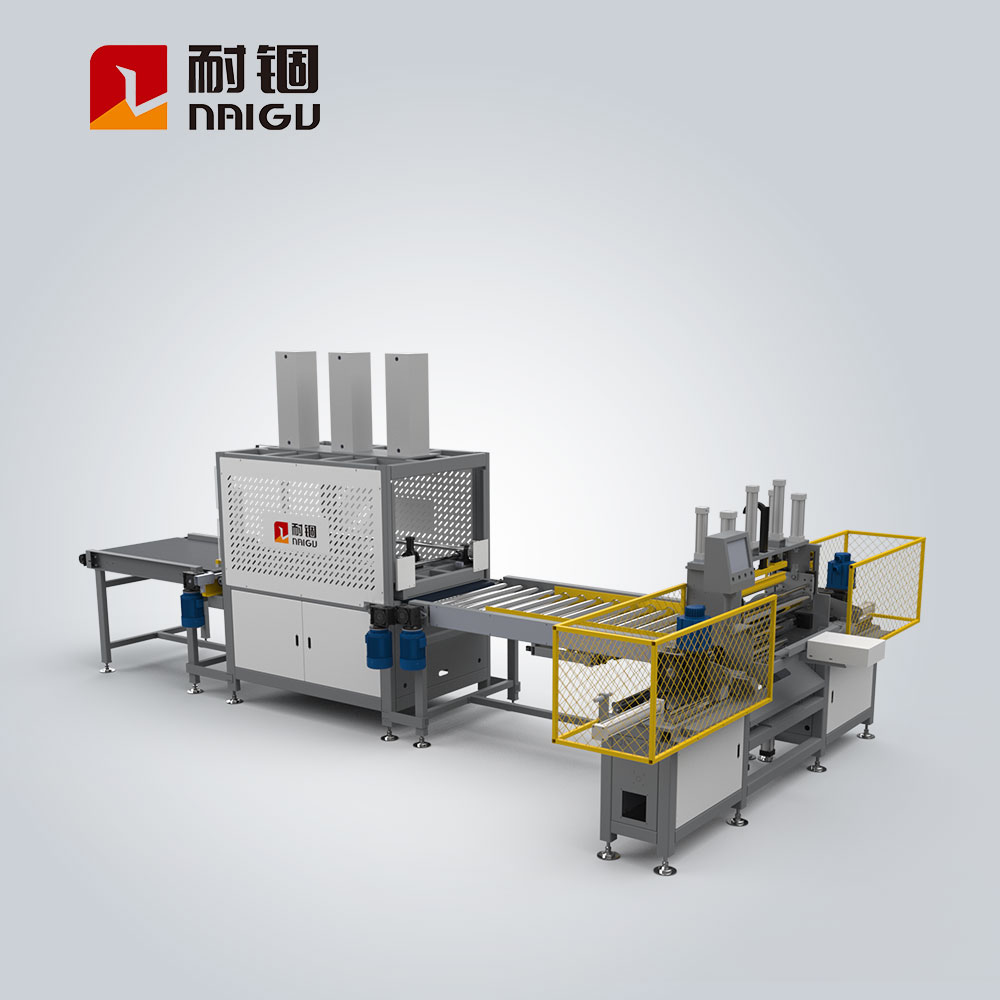
Choosing between automatic and semi-automatic pillow packing machines requires a clear understanding of current production needs and future business plans.
Semi-automatic equipment can be a practical option for manufacturers seeking a flexible packing process with a lower initial investment.
Automatic equipment is worth considering when production volume, labor requirements, and workflow standardization justify a higher level of automation.
NAIGU provides mattress and pillow packing machinery solutions for manufacturers looking to improve their finished-product packing operations.
When evaluating equipment, manufacturers should consider product specifications, compression requirements, packing materials, expected output, and available factory space.
Contact NAIGU to discuss your pillow packing requirements and explore a suitable equipment solution.
Frequently Asked Questions
1. What is the main difference between automatic and semi-automatic pillow packing machines?
The main difference is the degree of automation and operator involvement. Semi-automatic machines require manual assistance during certain operations, while automatic systems integrate more packing functions into a coordinated process.
2. Which pillow packing machine is better for a small factory?
Semi-automatic equipment may be more practical for smaller factories with moderate output and limited investment budgets. The final choice should depend on actual production requirements.
3. Can automatic pillow packing machines handle different pillow sizes?
Some machines support multiple pillow sizes through adjustments. However, the available product range depends on machine design. Manufacturers should confirm compatibility with the supplier before purchasing.
4. Can memory foam pillows be compressed and roll packed?
Some memory foam pillows can be compressed and roll packed, but suitability depends on foam properties, product construction, and compression requirements. Product testing is recommended.
5. Does automatic pillow packing reduce labor costs?
Automation can reduce repetitive manual operations and improve labor utilization. Actual savings depend on production volume, machine configuration, and the existing packing process.
6. What packing materials are used for pillow compression packing?
The material depends on the packing method, machine specifications, and product protection requirements. Film thickness, width, strength, and sealing compatibility should be confirmed before purchasing materials.
7. How can I choose the right pillow packing machine?
Compare daily output, pillow dimensions, filling materials, packing method, automation level, available space, and total operating costs. Providing product samples or specifications helps the supplier recommend suitable equipment.


