Categories
How Compressed Sofa Packing Supports Global Furniture Distribution |NAIGU
Discover how compressed sofa packing helps furniture manufacturers optimize container loading, reduce logistics costs, save warehouse space, and improve efficiency in global furniture distribution.
Aug 27th,2026
75 Views
Global furniture distribution requires manufacturers to manage transportation costs, warehouse space, product protection, and delivery efficiency. For bulky sofas, traditional packing methods can result in large shipping volumes and higher logistics expenses.
Compressed sofa packing offers a practical solution by reducing sofa volume before transportation. With a suitable sofa compression packing machine and high-performance packing film, furniture manufacturers can improve logistics efficiency and make international distribution more cost-effective.
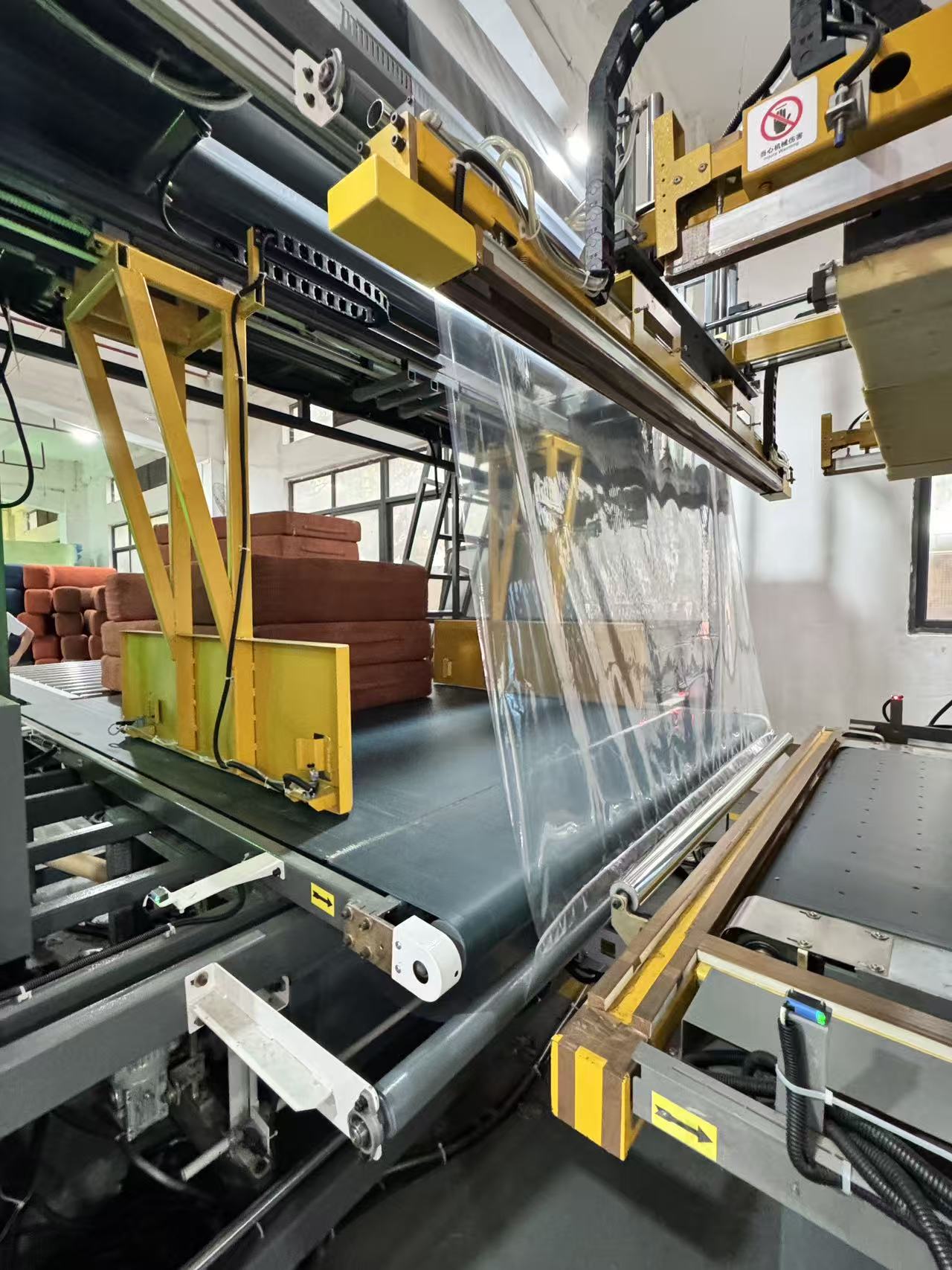
What Is Compressed Sofa Packing?
Compressed sofa packing uses specialized equipment to reduce the volume of sofas before final packing and transportation.
Depending on the sofa structure and materials, the packing process may include:
-
Sofa feeding
-
Compression
-
Film wrapping
-
Sealing
-
Folding or rolling
-
Final package preparation
The objective is to create a more compact package while maintaining appropriate product protection and ensuring the sofa can recover its intended shape after unpacking.
Why Sofa Volume Matters in Global Distribution
Sofas are large products that occupy significant space in containers, trucks, and warehouses. When traditional packing methods leave substantial empty space around the product, transportation efficiency can be limited.
For exporters shipping sofas internationally, reducing package volume can help manufacturers:
-
Optimize container loading
-
Reduce transportation volume
-
Improve warehouse utilization
-
Handle more products per shipment
-
Simplify product storage and distribution
This makes volume reduction an important consideration for furniture companies targeting overseas markets.
1. Improve Container Loading Efficiency
One of the main advantages of compressed sofa packing is better use of container space.
When sofa packages become more compact, manufacturers can potentially load more products into the same container, depending on sofa dimensions, compression performance, and package configuration.
For international furniture exporters, improved loading efficiency can contribute to lower logistics costs per unit.
2. Reduce Transportation Costs
International furniture distribution often involves multiple transportation stages, including factory-to-port delivery, ocean freight, inland transportation, and final distribution.
Because freight costs are strongly influenced by shipment volume, reducing the packed size of sofas can help manufacturers control logistics expenses.
This is especially valuable for furniture companies serving distant markets where transportation represents a significant part of total product cost.
3. Make Global Warehousing More Efficient
Compressed sofa packages require less space than many traditionally packed sofas.
Distributors can potentially store more products within the same warehouse area, while retailers can improve backroom and inventory management.
For furniture businesses operating multiple warehouses or distribution centers, better space utilization can improve overall supply chain efficiency.
4. Support E-Commerce Furniture Distribution
Online furniture sales have increased the importance of efficient product delivery.
Customers expect furniture to arrive safely and conveniently, while online retailers need to control transportation and storage costs.
Compressed sofa packing can create more compact packages that are easier to handle throughout the distribution process. This makes compression packing particularly useful for sofa manufacturers supplying online furniture retailers and direct-to-consumer businesses.
5. Improve Packing Consistency
Manual sofa packing can produce differences in package dimensions and wrapping quality between operators.
An automated sofa compression roll packing machine can standardize key packing operations, including compression, film wrapping, and package formation.
Consistent package sizes can make warehouse organization and transportation planning easier.
6. Protect Sofas During Transportation
Reducing sofa volume is only one part of the packing process. Product protection must also be considered.
Suitable packing film should provide sufficient strength, flexibility, and puncture resistance for the specific sofa and compression process.
The packing solution should also be selected according to the sofa's:
-
Fabric or upholstery
-
Foam structure
-
Frame construction
-
Cushion design
-
Overall dimensions
-
Compression requirements
A properly designed packing process can help reduce the risk of movement and exposure during transportation.
7. Support Different Global Furniture Markets
Furniture manufacturers often serve customers across different countries and regions. Packaging requirements may vary depending on transportation distances, warehouse conditions, and distribution channels.
A flexible sofa compression packing system can help manufacturers handle different sofa sizes and product models while maintaining standardized packing procedures.
This flexibility is particularly useful for factories producing multiple sofa designs for export markets.
Compressed Sofa Packing for Export Furniture Manufacturers
For export-oriented sofa factories, packing should be considered as part of the complete production and logistics process.
A typical workflow may include:
Sofa Production → Quality Inspection → Compression → Film Packing → Roll Packing → Storage → Container Loading → Global Distribution
Integrating compression packing into this workflow can reduce unnecessary handling and create a smoother transition from production to shipment.
Choosing the Right Sofa Compression Packing Machine
Before investing in a sofa compression packing machine, manufacturers should evaluate:
Sofa Dimensions
Check the machine's working width and its ability to accommodate the factory's largest sofa models.
Sofa Materials
Different foam densities, upholstery materials, and frame structures may require different compression settings.
Required Package Size
Determine whether the final sofa should be compressed, folded, or rolled according to transportation and customer requirements.
Production Capacity
The machine should match the factory's daily output and future production plans.
Packing Film
Film quality directly affects packing performance. Select a film with suitable thickness, strength, elasticity, and sealing properties.
Automation Level
Factories with high production volumes may benefit from automated feeding, compression, wrapping, sealing, and conveying systems.
Conclusion
Compressed sofa packing supports global furniture distribution by reducing product volume, improving container utilization, optimizing warehouse space, and increasing packing efficiency.
For sofa manufacturers targeting international markets, investing in the right compression packing machine and suitable packing film can help build a more efficient export supply chain.
As global furniture distribution becomes increasingly competitive, sofa compression roll packing provides manufacturers with an effective way to optimize logistics while supporting consistent and professional product packing.


