
The global mattress industry is entering a new phase of transformation in 2026. Rising consumer awareness of sleep health, growing demand for sustainable products, advances in sleep technology, and increasing factory automation are reshaping the market worldwide. At the same time, manufacturers are facing challenges such as labor shortages, rising logistics costs, and stronger competition in both traditional retail and e-commerce channels.
For mattress manufacturers, suppliers, and equipment providers, understanding these industry trends is essential for staying competitive and identifying new growth opportunities.
This article explores the key global mattress industry trends shaping the market in 2026.
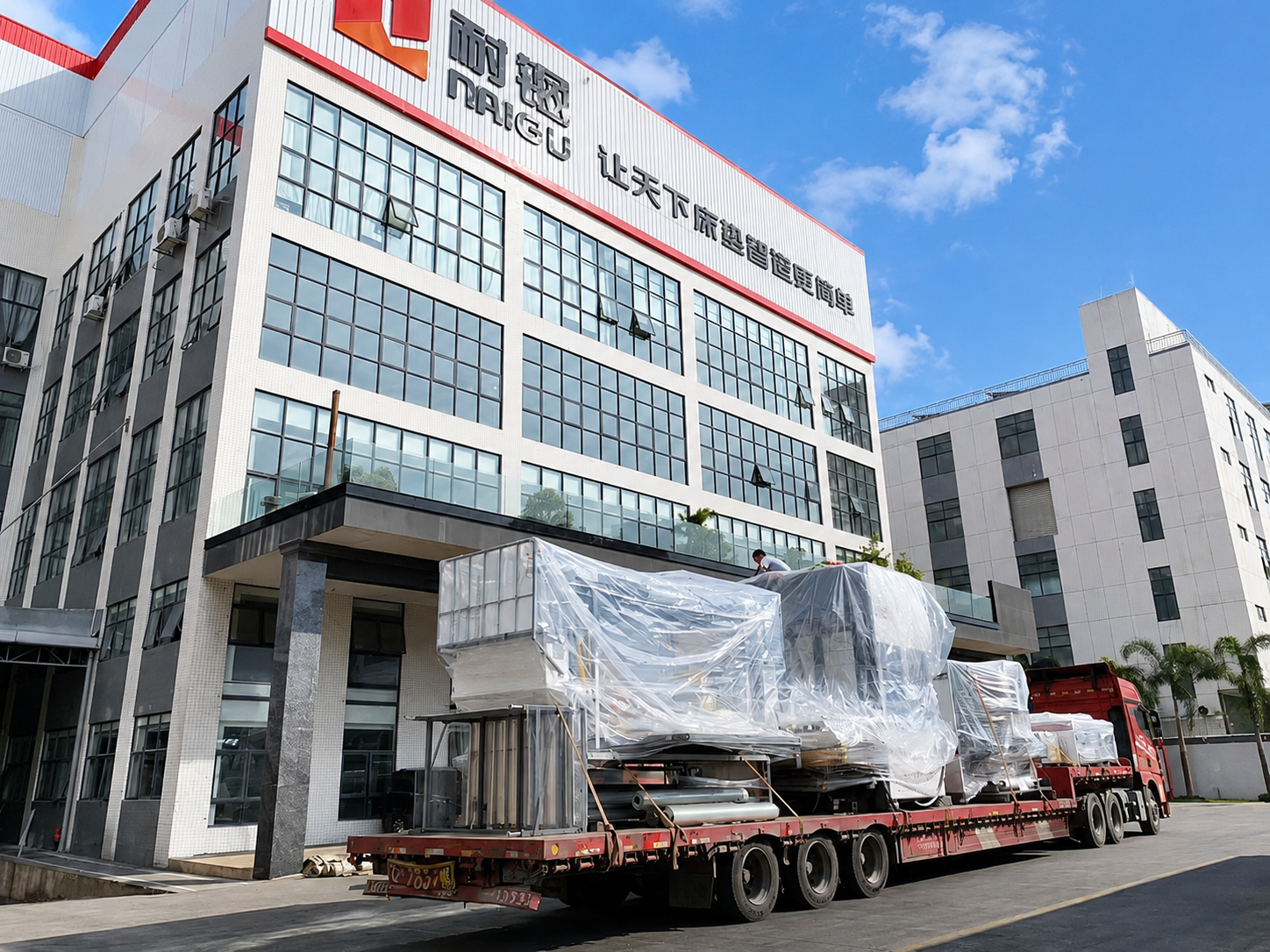
The global mattress market continues to expand, driven by increasing consumer spending on home furnishings and greater awareness of sleep quality. Industry forecasts indicate steady market growth through the coming years, supported by demand for premium, hybrid, and specialized mattresses.
Key growth drivers include:
Emerging markets in Asia, the Middle East, and Latin America are becoming important growth regions for mattress manufacturers.
Consumers are increasingly looking for mattresses that offer more than basic comfort. Smart mattresses equipped with sensors, temperature regulation, sleep tracking, and personalized comfort settings are attracting growing interest.
Popular smart sleep features include:
As sleep technology becomes more affordable, smart mattress adoption is expected to increase across premium market segments.
Sustainability is no longer optional for many mattress brands. Consumers and retailers increasingly prefer products made from environmentally responsible materials and manufacturing processes.
Major sustainability trends include:
Many global retailers now require suppliers to meet environmental and sustainability standards before entering their supply chains.
The Mattress-in-a-Box business model remains one of the most influential trends in the industry. Consumers appreciate the convenience of online ordering and home delivery, while manufacturers benefit from lower logistics costs through compression and roll packing technology.
Benefits include:
As a result, demand for mattress compression machines and roll packing systems continues to increase globally.
Labor shortages and rising wages are encouraging mattress factories to invest in automation. Manufacturers are increasingly adopting advanced machinery to improve productivity and reduce dependence on manual labor.
Key automation investments include:
Automation helps manufacturers achieve:
Hybrid mattresses, which combine pocket springs with foam comfort layers, remain one of the fastest-growing product categories.
Consumers are attracted by:
As hybrid mattresses gain market share, demand for pocket spring production equipment and mattress assembly machinery is also increasing.
The direct-to-consumer model continues to reshape mattress distribution channels.
Advantages include:
Many mattress brands now combine traditional retail networks with online sales platforms to reach a broader customer base.
Consumers are increasingly willing to invest in premium sleep solutions that improve comfort and wellness. This trend is driving growth in:
Premiumization is becoming a major driver of value growth within the mattress industry.
Global freight costs remain a significant concern for mattress manufacturers and distributors.
To improve logistics efficiency, many companies are investing in:
These solutions help maximize container loading capacity and reduce transportation costs.
Recent market challenges have highlighted the importance of supply chain flexibility and production efficiency. Manufacturers are increasingly investing in:
Companies with efficient manufacturing systems are better positioned to respond to changing market conditions and customer demands.
These industry trends create significant opportunities for suppliers of mattress manufacturing and packing equipment.
Growing demand is expected for:
Manufacturers seeking greater efficiency and competitiveness will continue investing in modern production and packaging technologies.
The global mattress industry in 2026 is being driven by automation, sustainability, smart sleep technology, premium products, and the continued growth of Mattress-in-a-Box business models. At the same time, manufacturers are focusing on improving production efficiency, reducing logistics costs, and enhancing product quality.
For mattress factories, adapting to these trends through advanced manufacturing equipment and efficient packaging solutions will be essential for long-term success in an increasingly competitive global market.
📧 Email: jenney@gdnaimei.com
📱 WhatsApp/Phone: +86 13924835577
🌐 Website: https://naigumattressmachine.com

