Categories
Why Mattress Roll Packing Is Becoming a Global Manufacturing Trend |NAIGU
Discover why mattress roll packing is growing globally, including its benefits for transportation, warehouse efficiency, automated production, e-commerce distribution, and mattress manufacturers.
Nov 11th,2026
13 Views
The global mattress industry is evolving as manufacturers respond to changing consumer expectations, international trade requirements, and increasing pressure to improve production efficiency. Among these changes, mattress roll packing has become an important development in modern mattress manufacturing.
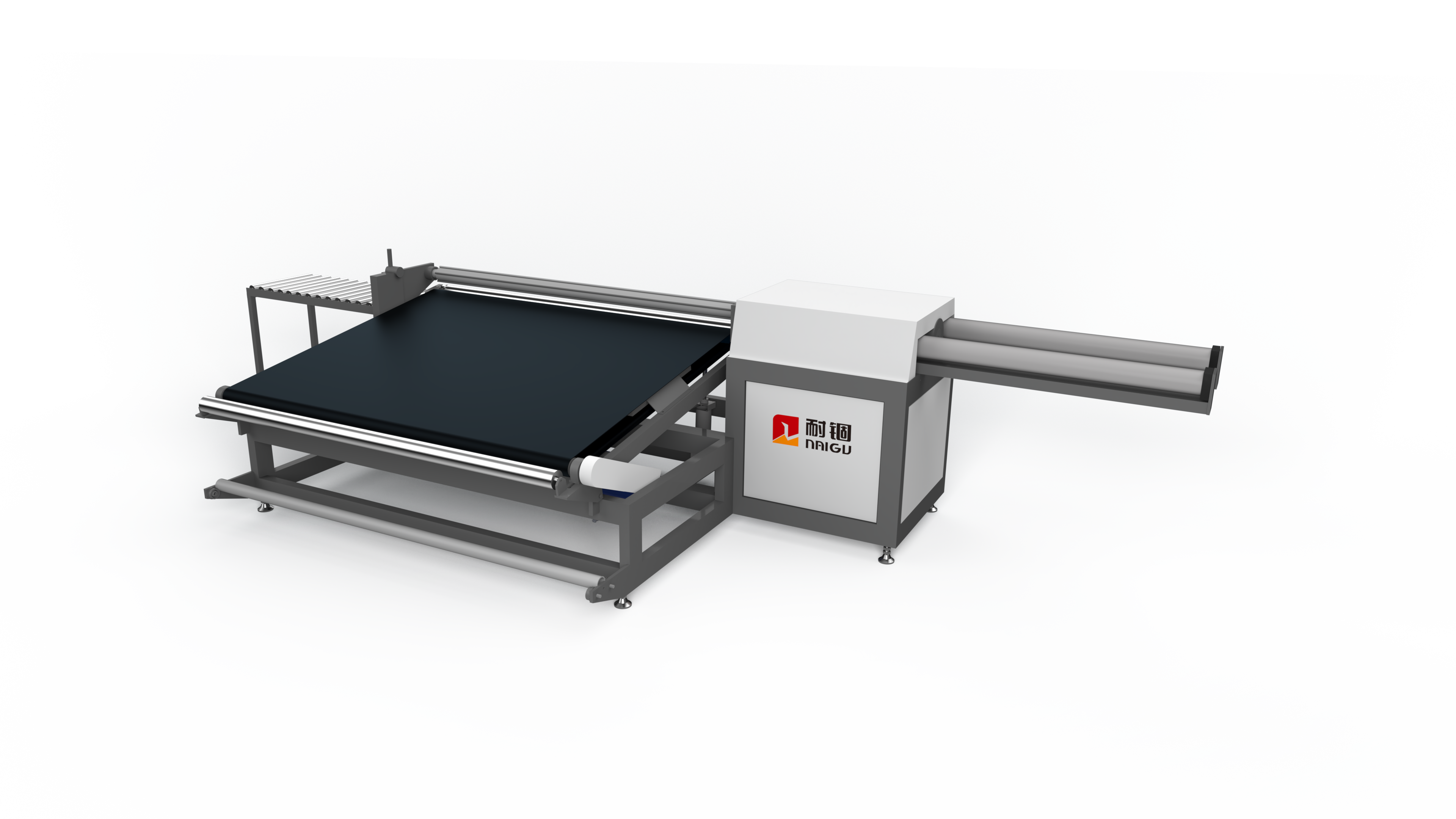
By combining compression and rolling processes, roll packing technology allows suitable mattresses to be packed into compact cylindrical packages. This approach can help manufacturers optimize warehouse space, improve transportation efficiency, and expand distribution opportunities.
For mattress factories targeting international markets, understanding the benefits and requirements of roll packing is becoming increasingly important.
1. Growing Demand for Space-Efficient Mattress Transportation
Transportation and warehouse costs are major considerations for mattress manufacturers, particularly businesses supplying international markets.
Traditional mattresses can occupy considerable space during storage and transportation. Their large dimensions may limit the number of units loaded into a truck or shipping container.
Mattress roll packing helps address this challenge by reducing the overall package volume of compatible products.
Potential benefits include:
-
More efficient warehouse space utilization
-
Improved container and truck loading arrangements
-
Easier handling of compact packages
-
Greater flexibility in distribution and delivery
For exporters shipping mattresses over long distances, reducing package volume can help improve logistics efficiency. Actual savings depend on mattress specifications, compression performance, package dimensions, and shipping arrangements.
2. The Expansion of Online Mattress Sales
The growth of e-commerce has changed how mattress brands manufacture, pack, and distribute their products.
Online mattress businesses often need products that can be stored efficiently, transported through logistics networks, and delivered directly to consumers.
Roll-packed mattresses support this distribution model by providing compact packages that are easier to handle than many traditional full-size mattresses.
For manufacturers supplying online mattress brands, roll packing can offer several advantages:
-
Compact product presentation for retail distribution
-
More convenient warehouse storage
-
Easier handling during order fulfillment
-
Better compatibility with certain parcel and delivery systems
However, the final package size and delivery suitability depend on the mattress dimensions, weight, compression level, and logistics provider requirements.
3. Increasing Demand for Automated Packing Processes
As mattress production expands, manual packing can become a bottleneck.
Traditional packing operations may involve multiple manual steps, including mattress positioning, compression, film wrapping, sealing, and handling. These processes can require considerable labor and may result in inconsistent packing quality.
Automatic mattress compression and roll packing machines help integrate several operations into a more coordinated process.
Depending on the machine configuration, automated equipment can help manufacturers:
-
Standardize compression and roll packing procedures
-
Reduce repetitive manual operations
-
Improve packing consistency
-
Support higher-volume production
-
Coordinate packing with upstream manufacturing processes
For growing factories, automation can help create a more predictable packing workflow and reduce dependence on manual handling.
4. Better Warehouse and Inventory Management
Warehouse space is an important operational cost for mattress manufacturers, distributors, and retailers.
Large, unpacked mattresses can occupy significant storage space, making inventory management more challenging.
Roll packing allows compatible mattresses to be stored in a more compact format. This can help businesses organize inventory more efficiently and make better use of available warehouse capacity.
For manufacturers managing multiple mattress models, standardized roll-packed dimensions can also make storage and product handling more organized.
The actual space savings should be evaluated by comparing the dimensions of finished packages with those of the original mattresses.
5. Supporting International Mattress Distribution
Global mattress manufacturers often supply different customer groups, including retailers, wholesalers, furniture distributors, and online brands.
These buyers may have different requirements for product dimensions, package appearance, transportation, and storage.
Mattress roll packing provides an additional packing option for manufacturers seeking to serve these distribution channels.
For export-oriented factories, compact mattress packages may help:
-
Improve container loading arrangements
-
Simplify warehouse handling
-
Support long-distance distribution
-
Meet certain retail and e-commerce packing requirements
Manufacturers should still confirm the packing specifications and product recovery requirements of their target markets before introducing roll-packed products.
6. More Flexible Packing Options for Different Mattress Types
Not every mattress has the same structure or compression performance. Foam mattresses, hybrid mattresses, pocket spring mattresses, and traditional spring mattresses may respond differently to compression and rolling.
The suitability of roll packing depends on several factors:
|
Mattress factor
|
What manufacturers should evaluate
|
|
Core material
|
Foam, latex, springs, or hybrid construction
|
|
Mattress thickness
|
Required compression range
|
|
Product dimensions
|
Machine working size and package specifications
|
|
Material recovery
|
Ability to return to the intended shape
|
|
Packing time
|
Required production capacity
|
|
Storage requirements
|
Package size and protection
|
Before selecting a roll packing machine, manufacturers should conduct compression and recovery tests using representative mattress samples.
This helps confirm whether the product can maintain its expected appearance and performance after unpacking.
7. Film Quality Is Essential for Reliable Roll Packing
The packing film plays an important role in protecting compressed mattresses and maintaining package integrity.
During compression and rolling, the film needs to withstand the mechanical demands of the packing process. Unsuitable film may tear, wrinkle excessively, or fail to maintain a reliable seal.
Important film selection factors include:
-
-
-
-
-
-
Compatibility with packing equipment
Manufacturers should select film based on actual machine requirements and mattress specifications rather than choosing materials based on price or thickness alone.
Using suitable PE packing film can help improve package consistency and reduce problems during production and transportation.
8. Choosing the Right Mattress Roll Packing Machine
As demand for compact mattress packing grows, selecting suitable equipment becomes an important investment decision.
When evaluating a mattress roll packing machine, manufacturers should consider:
Production capacity: Does the machine meet the factory's daily output requirements?
Mattress compatibility: Can it process the mattress types, sizes, and thicknesses being manufactured?
Automation level: Does the configuration match the available labor and production workflow?
Packing specifications: Can it achieve the required package dimensions and packing quality?
Technical support: Does the supplier provide installation, training, spare parts, and after-sales assistance?
The best machine is not necessarily the one with the highest advertised speed. It is the equipment that matches the factory's products, production targets, and long-term operating requirements.
9. The Future of Mattress Manufacturing and Packing
The mattress industry is continuing to develop toward more efficient manufacturing, flexible distribution, and improved production management.
Roll packing is one part of this development. As more manufacturers explore compressed mattress products and direct-to-consumer distribution, the demand for suitable compression and packing equipment may continue to grow.
Future production improvements are likely to focus on better automation, more consistent packing quality, improved material utilization, and closer integration between mattress manufacturing and final packing operations.
For manufacturers planning new factories or upgrading existing facilities, evaluating roll packing technology early can help support long-term production planning.
Conclusion
Mattress roll packing is becoming an important option for manufacturers responding to global distribution demands, warehouse limitations, and the growth of online mattress sales.
By reducing package volume for compatible mattresses and supporting more standardized packing operations, roll packing technology can help improve storage, handling, and transportation efficiency.
However, successful implementation requires the right combination of mattress construction, compression technology, packing film, and production capacity.
NAIGU provides mattress compression and roll packing machinery for mattress manufacturers worldwide, helping factories develop packing solutions based on their products and production requirements.
Looking to upgrade your mattress packing process? Contact NAIGU to explore a suitable mattress compression and roll packing solution for your factory.


