Categories
What Causes Downtime in Sofa Compression Roll Packing Lines? |NAIGU
Discover common causes of downtime in sofa compression roll packing lines, including film feeding issues, sealing faults, machine settings, mechanical wear, and maintenance problems.
Nov 12th,2026
10 Views
Sofa compression roll packing lines help furniture manufacturers reduce package volume, improve warehouse utilization, and simplify product transportation. However, unexpected downtime can interrupt production schedules, increase operating costs, and affect delivery commitments.
For sofa manufacturers, maintaining stable equipment performance requires more than choosing an automatic packing machine. Downtime can result from sofa compatibility issues, film feeding problems, sealing faults, mechanical wear, incorrect operating settings, and poor coordination between production processes.
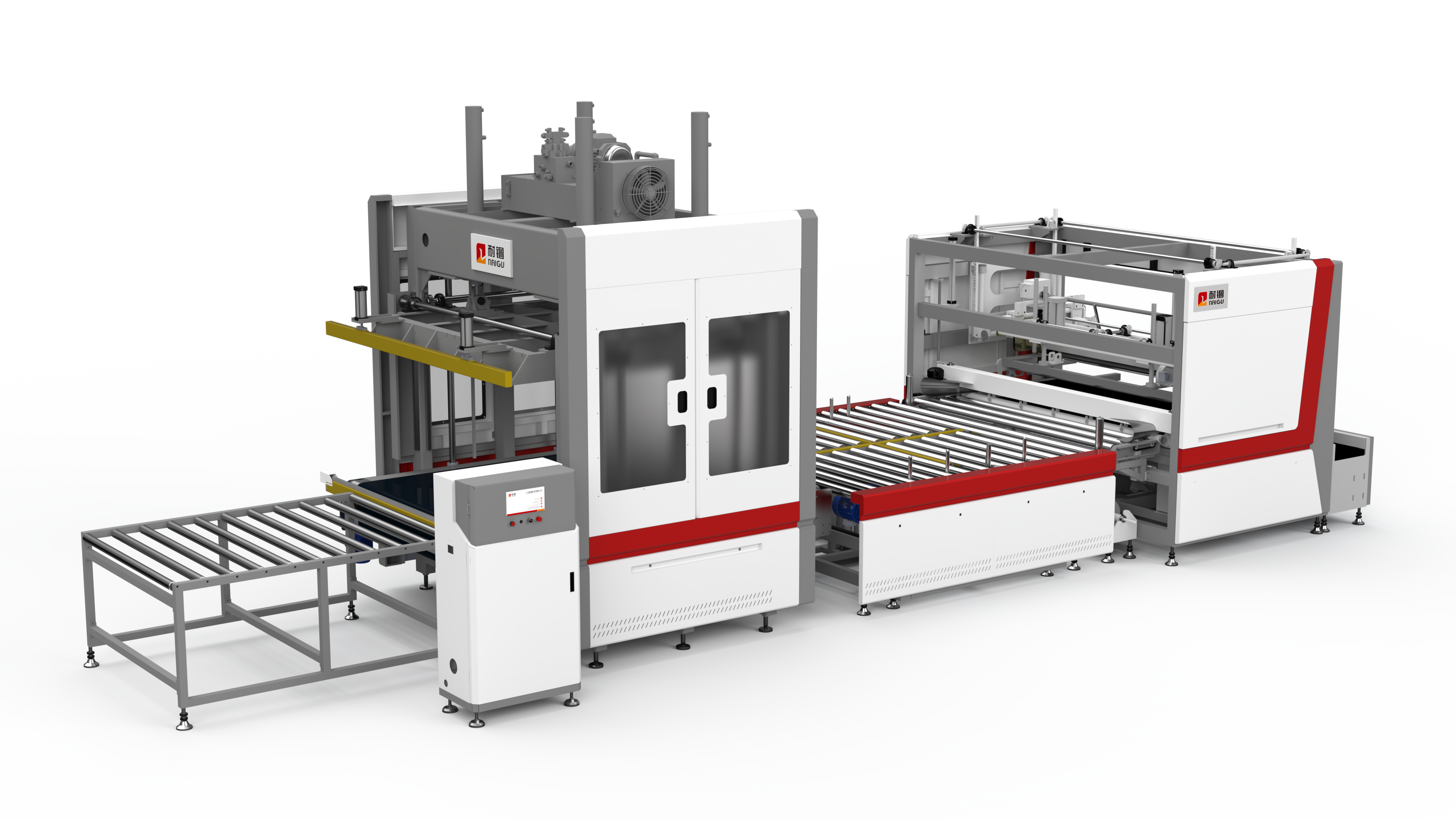
Understanding these common causes helps manufacturers reduce interruptions and improve packing line efficiency.
1. Sofa Compatibility Issues
One of the most important factors affecting sofa compression roll packing is product compatibility.
Unlike standard mattress products, sofas come in many shapes and structures. Their frames, foam materials, upholstery, cushions, and internal support systems vary significantly.
Some sofas may not be suitable for compression or roll packing. Attempting to process incompatible products can cause positioning difficulties, unstable packages, or unexpected interruptions.
Common compatibility factors include:
-
Sofa frame structure: Wooden, metal, and other internal structures may respond differently to compression.
-
Foam characteristics: Foam density, thickness, and recovery performance affect compression suitability.
-
Upholstery materials: Different fabrics and surface finishes require appropriate protection.
-
Sofa dimensions: Product width, height, length, and overall shape must fall within the machine's supported range.
-
Structural components: Armrests, backrests, springs, and removable cushions may influence the packing process.
Manufacturers should evaluate sofa samples and confirm compatibility with the equipment supplier before starting production.
2. Packing Film Feeding Problems
Packing film plays an important role in the operation of a sofa compression roll packing line.
If the film is incorrectly loaded or has inconsistent specifications, it may affect feeding stability and interrupt the packing process.
Common causes include:
-
Film rolls with incorrect width or specifications.
-
-
Poor roll winding quality.
-
Film tension that is not properly adjusted.
-
Damaged or incorrectly positioned film rolls.
-
Film material that is unsuitable for the packing process.
To reduce these issues, manufacturers should confirm film specifications before production and inspect each roll before installation.
The film should also be compatible with the machine's feeding, sealing, and compression requirements.
3. Sealing System Failures
The sealing process is essential for producing secure and consistent packages.
Sealing problems may cause the packing cycle to stop while operators inspect or adjust the equipment.
Typical issues include:
|
Common Problem
|
Possible Cause
|
|
Weak sealing
|
Incorrect temperature or insufficient sealing pressure
|
|
Incomplete sealing
|
Misaligned film or sealing components
|
|
Uneven sealing
|
Worn sealing elements or inconsistent contact
|
|
Film sticking
|
Unsuitable temperature settings or material
|
|
Repeated sealing faults
|
Maintenance issues or unstable operating conditions
|
Regular inspection of heating elements, sealing components, and temperature control systems helps reduce interruptions.
Operators should follow the machine manufacturer's recommended settings rather than making arbitrary adjustments.
4. Incorrect Machine Settings
Sofa compression roll packing lines may process different products with different dimensions and structural characteristics.
Using the same operating parameters for every sofa model may lead to inconsistent packing results or unnecessary machine stoppages.
Important operating settings may include:
-
-
Film feeding and tension settings
-
-
-
-
Product positioning settings
Manufacturers should establish suitable operating procedures for each approved sofa model.
Recording tested settings can also help operators switch between products more efficiently and reduce repeated adjustments.
5. Mechanical Wear and Component Failure
Continuous operation places demands on mechanical components. Over time, wear or damage can affect machine movement, positioning accuracy, and production stability.
Components that may require regular inspection include:
-
Conveyor belts and rollers
-
-
Bearings and moving parts
-
Pneumatic cylinders and connections
-
Sensors and positioning devices
-
Unexpected mechanical problems can result in longer downtime, particularly when replacement parts are unavailable.
A preventive maintenance schedule helps manufacturers identify potential issues before they develop into major equipment interruptions.
6. Electrical and Sensor Problems
Automatic sofa packing lines rely on electrical control systems and sensors to coordinate different operations.
Electrical faults or incorrect sensor signals may interrupt the production cycle even when the mechanical components are functioning normally.
Possible causes include:
-
Loose electrical connections
-
-
-
Incorrect sensor positioning
-
-
Operators should check the machine's alarm information and follow the manufacturer's troubleshooting procedures.
Electrical inspections and repairs should be handled by qualified personnel, with the equipment safely isolated according to the manufacturer's instructions.
7. Poor Coordination Between Production Processes
A sofa compression roll packing line does not operate independently of the rest of the factory.
If upstream sofa production cannot supply products consistently, or downstream handling cannot remove finished packages efficiently, the packing line may experience unnecessary waiting time.
Common workflow problems include:
-
-
Insufficient buffer space before packing.
-
Delays in manual product positioning.
-
Slow removal of finished packages.
-
Frequent changes between sofa models.
-
Poor coordination between production and packing teams.
Manufacturers should review the entire workflow, from finished sofa inspection to final package handling.
A well-organized production layout helps reduce bottlenecks and keeps the packing process moving smoothly.
8. Insufficient Operator Training
Operator experience directly affects daily equipment performance.
Without proper training, workers may have difficulty identifying machine alarms, loading film correctly, adjusting approved settings, or following product changeover procedures.
This can increase adjustment time and create avoidable production interruptions.
Effective training should cover:
-
Standard startup and shutdown procedures.
-
Sofa positioning and feeding requirements.
-
Packing film installation.
-
Approved parameter selection.
-
Daily equipment inspection.
-
Alarm identification and basic troubleshooting.
-
Emergency stop and safety procedures.
Clear operating instructions and practical training help improve consistency across different shifts.
9. Lack of Preventive Maintenance
Waiting until a machine stops working before arranging maintenance can lead to longer production interruptions.
Preventive maintenance helps manufacturers identify wear, loose connections, and potential operating problems in advance.
A practical maintenance checklist may include:
|
Inspection Area
|
Recommended Check
|
|
Conveyor system
|
Check belt condition and movement
|
|
Film feeding
|
Inspect film alignment and feeding stability
|
|
Sealing system
|
Check sealing components and temperature control
|
|
Sensors
|
Check cleanliness and positioning
|
|
Pneumatic system
|
Inspect connections and operating condition
|
|
Electrical system
|
Check alarms and connections
|
|
Safety devices
|
Confirm normal safety functions
|
Maintenance frequency should follow the machine manufacturer's recommendations and the actual operating environment.
How to Reduce Downtime in Sofa Compression Roll Packing Lines
Reducing downtime requires a systematic approach that considers both equipment and production management.
The following measures can help improve line stability:
-
Confirm product compatibility: Test different sofa models before adding them to regular production.
-
Standardize packing materials: Use film specifications that have been tested with the machine.
-
Record operating parameters: Maintain approved settings for different sofa models.
-
Inspect key components regularly: Follow a preventive maintenance schedule.
-
Train operators: Ensure workers understand normal operation and basic troubleshooting.
-
Monitor production bottlenecks: Coordinate feeding, packing, and finished-product handling.
-
Prepare essential spare parts: Reduce waiting time when common replacement components are needed.
Manufacturers should also record downtime events, including the cause, duration, affected process, and corrective action. Reviewing these records helps identify recurring problems and prioritize improvements.
Conclusion: Improve Packing Line Reliability Through Proper Planning
Downtime in sofa compression roll packing lines can result from several factors, including product incompatibility, film feeding problems, sealing faults, incorrect machine settings, component wear, electrical issues, and insufficient operator training.
For sofa manufacturers, stable production starts with selecting equipment that matches the actual sofa structure and packing requirements. Regular maintenance, suitable packing materials, and standardized operating procedures are equally important.
NAIGU Mattress Machinery provides sofa compression and roll packing equipment for furniture manufacturers seeking to improve packing efficiency and optimize transportation space. NAIGU can help evaluate sofa specifications, packing requirements, and suitable equipment configurations before a project moves forward.
Contact NAIGU to discuss your sofa packing requirements and explore a suitable compression roll packing solution.


