
Mattress packing is a critical stage in the mattress manufacturing process. Choosing the right packing equipment can significantly impact production efficiency, labor costs, and shipping expenses. Two of the most common options are full automatic mattress packing machines and semi-automatic mattress packing machines.
Both solutions can compress, seal, and prepare mattresses for transportation, but they differ in automation level, investment cost, and production capacity. This article compares the two systems to help manufacturers make the right decision.
A semi-automatic mattress packing machine requires operators to assist with certain steps during the packing process, such as loading mattresses, positioning packaging materials, or transferring packed products.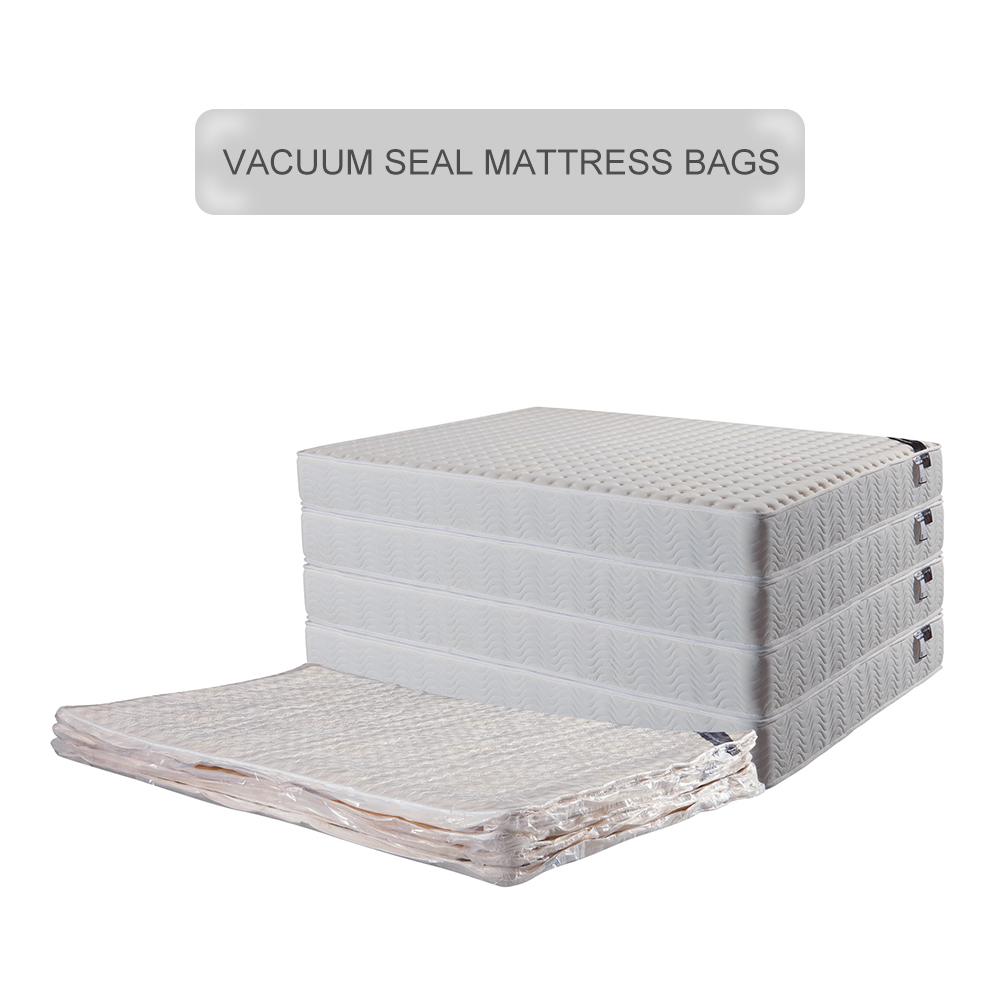
Typical features include:
Semi-automatic machines are widely used by manufacturers with moderate production volumes and limited automation budgets.
A full automatic mattress packing machine performs most packing operations automatically with minimal operator intervention.
Functions may include:
These systems are often integrated into complete mattress production lines to achieve continuous operation.
| Feature | Semi-Automatic | Full Automatic |
|---|---|---|
| Labor Requirement | Higher | Lower |
| Production Efficiency | Medium | High |
| Initial Investment | Lower | Higher |
| Operating Cost | Higher over time | Lower over time |
| Automation Level | Partial | Full |
| Production Capacity | Small to Medium | Medium to Large |
| Factory Space Requirement | Smaller | Larger |
| Return on Investment | Faster for small factories | Better for high-volume factories |
Semi-automatic systems are suitable for:
They provide a cost-effective solution while still improving packing efficiency compared with manual operations.
Full automatic systems are ideal for:
The ability to operate continuously makes them highly efficient for large production demands.
Labor costs continue to rise in many countries, making automation increasingly attractive.
Advantages:
Challenges:
Advantages:
Challenges:
For manufacturers facing labor shortages, full automation often delivers substantial long-term benefits.
Both machine types can effectively compress mattresses to reduce shipping volume.
Benefits include:
However, full automatic systems generally provide more consistent packing results because machine settings remain standardized throughout production.
As mattress manufacturers continue adopting Industry 4.0 technologies, full automatic packing systems are becoming increasingly popular.
Emerging trends include:
These technologies help manufacturers improve efficiency while reducing operating costs.
Both full automatic and semi-automatic mattress packing machines offer valuable benefits. The right choice depends on your production volume, labor situation, automation goals, and budget.
Semi-automatic machines provide an economical solution for growing factories, while full automatic systems deliver maximum efficiency and long-term cost savings for high-volume manufacturers.
Carefully evaluating your production requirements will help you select the most suitable mattress packing solution for sustainable business growth.
📧 Email: jenney@gdnaimei.com
📱 WhatsApp/Phone: +86 13924835577
🌐 Website: https://naigumattressmachine.com

