
In today’s competitive foam, mattress, and upholstered furniture industry, manufacturers are under constant pressure to reduce costs, optimize logistics, and improve operational efficiency. One of the most effective investments to achieve these goals is a foam compression machine.
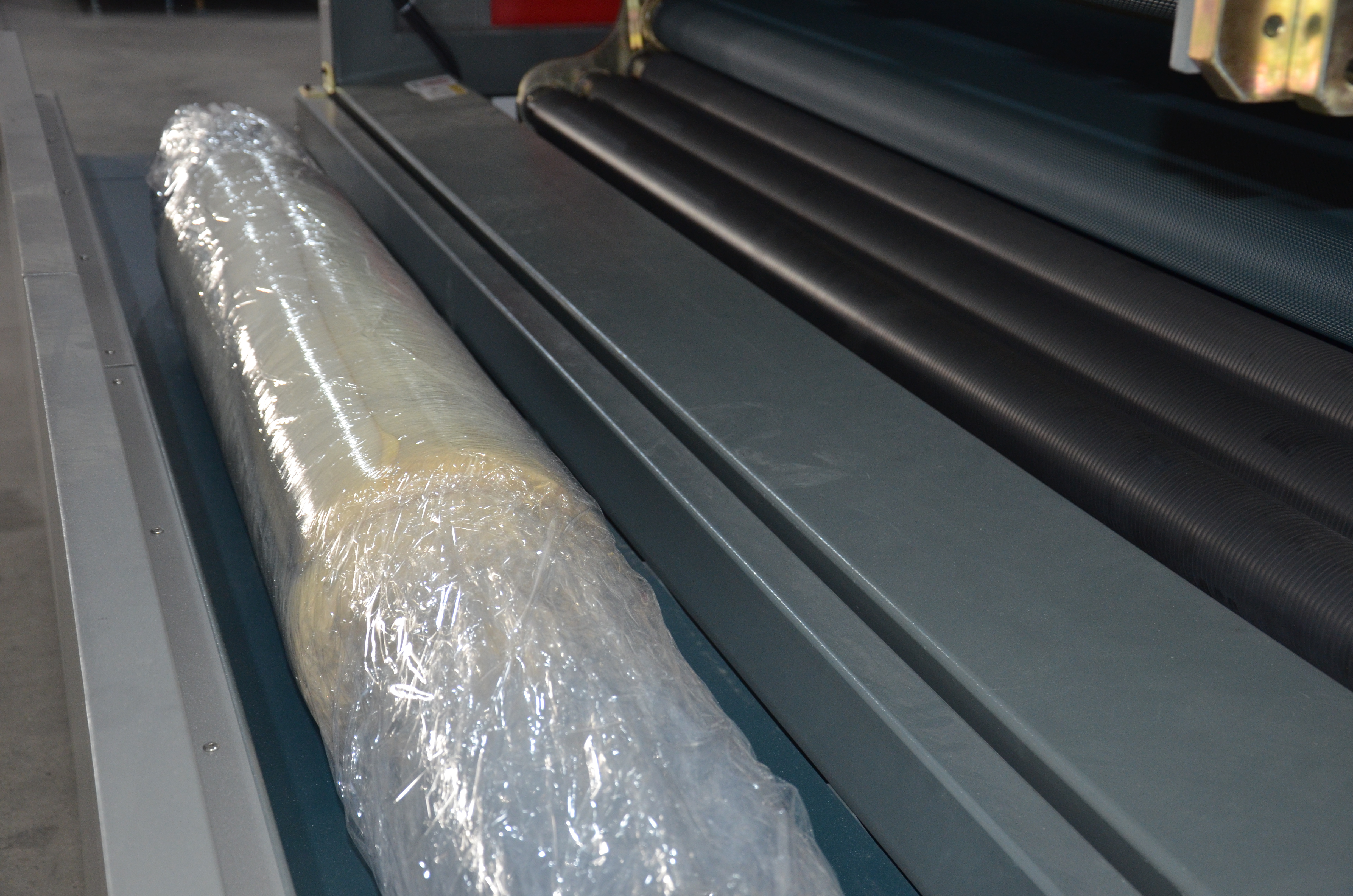
But is it really worth the investment?
This article breaks down the real return on investment (ROI) of investing in a foam compression machine—from labor savings and shipping cost reduction to scalability and long-term profitability.
A foam compression machine is industrial equipment designed to compress foam products—such as foam blocks, mattress cores, sofa cushions, and pillows—into a smaller volume using pressure and vacuum technology. The compressed foam is then sealed in plastic film or bags for efficient storage and transportation.
Common applications include:
Mattress manufacturing factories
Sofa and upholstery factories
Foam production plants
Furniture exporters
Bedding and home furnishing suppliers
Before calculating ROI, it’s important to understand the hidden costs of NOT using compression technology:
High international shipping costs due to bulky foam volume
Low container loading efficiency
High labor cost for manual packing
Increased warehouse space requirements
Higher risk of deformation or damage during transport
These issues directly affect profit margins, especially for exporters.
Compressed foam can reduce volume by 50–80%, depending on foam density and thickness.
ROI impact:
More products per container
Lower cost per unit shipped
Faster breakeven on machine investment
For exporters shipping to Europe, South America, or the Middle East, this alone can justify the investment within 6–12 months.
Manual foam packing requires:
Multiple workers
High physical effort
Inconsistent packing quality
A foam compression machine:
Requires only 1–2 operators
Automates compressing, vacuuming, and sealing
Improves packing consistency
ROI impact:
Factories typically reduce packing labor costs by 40–60%.
Without compression:
Air is shipped instead of products
Container space is underutilized
With foam compression:
Containers are filled closer to maximum capacity
Shipping cost per foam unit drops significantly
This improves logistics ROI, especially for high-volume exporters.
Automated foam compression allows factories to:
Handle large export orders efficiently
Scale production without increasing labor
Meet tight shipping schedules
ROI impact:
Higher production capacity leads to more orders, faster turnover, and better cash flow.
Compressed foam occupies far less space:
Lower warehouse rental costs
Easier inventory management
More efficient factory layout
Over time, storage savings become a long-term ROI advantage.
Typical payback period for a foam compression machine:
| Factory Type | Estimated Payback |
|---|---|
| Export-focused factory | 6–10 months |
| Medium-size manufacturer | 10–14 months |
| Domestic-focused factory | 12–18 months |
Factors affecting ROI speed:
Export volume
Shipping distance
Labor cost in your country
Level of automation (semi-auto vs full-auto)
Lower initial investment
Suitable for small or medium factories
Faster ROI with lower risk
Higher upfront cost
Maximum labor savings
Best for large-scale exporters
Choosing the right model ensures optimal ROI, not just lower price.
Beyond direct cost savings, foam compression machines provide:
More competitive FOB pricing
Better customer satisfaction (reduced transport damage)
Stronger brand image as a modern manufacturer
These benefits translate into long-term profit growth, not just short-term savings.
If your factory:
Exports foam, mattresses, or upholstered products
Faces rising shipping or labor costs
Wants to scale efficiently
Then investing in a foam compression machine is not an expense—it’s a strategic investment with measurable ROI.
Looking to reduce shipping costs and increase packing efficiency in your foam or mattress factory?
Our foam compression machines are designed for export-focused manufacturers, helping you save space, labor, and logistics costs from the first shipment.
✔ Semi-automatic & fully automatic options
✔ Suitable for foam blocks, mattress cores, sofa cushions
✔ Stable compression & fast rebound performance
✔ Professional export packing solution
Machine recommendation based on your foam size
ROI & shipping cost analysis
Video demos & technical specifications
📧 Email: jenney@gdnaimei.com
📱 WhatsApp/Phone: +86 13924835577
🌐 Website: https://naigumattressmachine.com

