Categories
Single Needle vs. Double Needle Mattress Tape Edge Machines: What Buyers Should Know |NAIGU
Compare single needle and double needle mattress tape edge machines. Learn about stitching differences, mattress compatibility, production requirements, and key factors to consider before purchasing.
Nov 18th,2026
1 Views
A mattress tape edge machine plays an important role in the final stage of mattress manufacturing. It sews the border panel to the mattress top and bottom panels, helping create a neat, durable, and consistent mattress edge.
When choosing a mattress tape edge machine, buyers often need to decide between single needle and double needle models. Both types are used in mattress border sewing, but their stitching configurations, production characteristics, and application requirements can differ.
Understanding these differences helps mattress manufacturers select suitable equipment based on product specifications, production volume, labor arrangements, and investment plans.
1. What Is a Single Needle Mattress Tape Edge Machine?
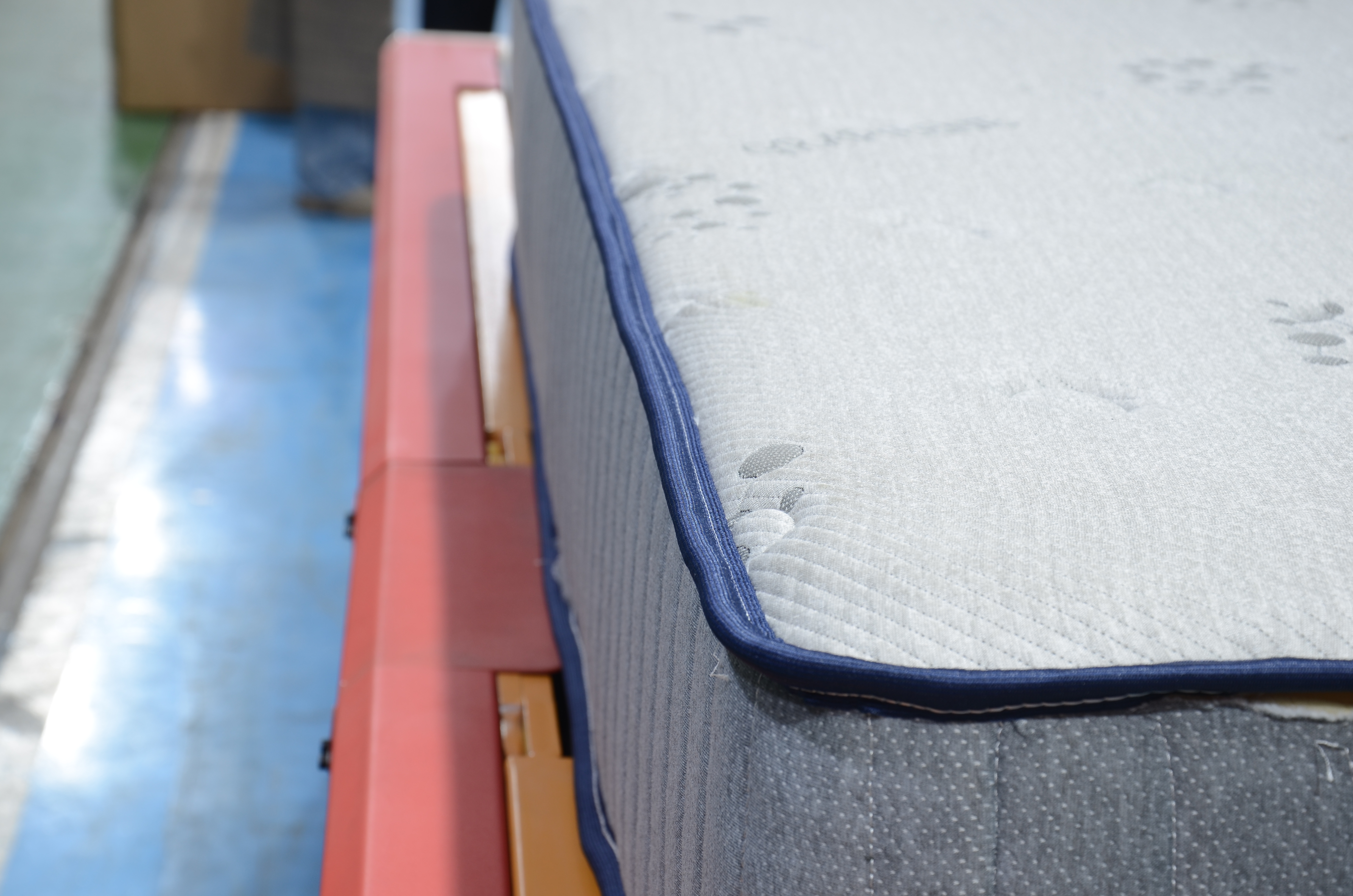
A single needle mattress tape edge machine uses one needle to complete the tape edging operation. It is a common choice for mattress factories that need a practical solution for standard mattress edge sewing.
Its main characteristics include:
-
A single stitching line along the mattress edge
-
A relatively straightforward sewing structure
-
Suitability for many standard mattress specifications
-
Practical operation for small and medium-sized production facilities
For manufacturers producing conventional foam or spring mattresses, a single needle model may provide the sewing performance required for everyday production.
2. What Is a Double Needle Mattress Tape Edge Machine?
A double needle mattress tape edge machine uses two needles to create two parallel stitching lines during the sewing process.
Depending on the machine design and configuration, this arrangement can help manufacturers achieve a different edge-sewing appearance and stitching structure.
Typical characteristics include:
-
Two parallel stitching lines
-
A different seam appearance compared with single needle sewing
-
Potential suitability for mattress designs requiring double-line stitching
-
The need to confirm needle spacing and sewing specifications before purchase
Buyers should check whether the machine's needle configuration matches their mattress design, tape requirements, and desired finished appearance.
3. Single Needle vs. Double Needle: Key Differences
The main difference is the number and arrangement of needles. However, buyers should evaluate more than the needle count when comparing equipment.
Comparison
|
Single Needle
|
Double Needle
|
Needle configuration
|
One needle
|
Two needles
|
Stitching appearance
|
Single stitching line
|
Two parallel stitching lines
|
Seam requirements
|
Suitable for standard single-line sewing
|
Suitable for specified double-line sewing
|
Machine structure
|
Generally simpler
|
Requires a dual-needle configuration
|
Product compatibility
|
Depends on mattress design
|
Depends on required seam spacing and design
|
Purchasing priority
|
Standard production requirements
|
Specific double-line stitching requirements
|
It is important to note that double needle does not automatically mean higher production speed or better sewing quality. Actual performance depends on machine design, operator experience, mattress construction, and production conditions.
4. Which Machine Is More Suitable for Your Mattress Products?
The right choice depends primarily on the finished mattress requirements.
Standard Foam Mattresses
If your factory mainly produces conventional foam mattresses with standard tape edge requirements, a single needle machine may be sufficient.
It can be a practical option for manufacturers looking for reliable equipment without adding unnecessary sewing functions.
Spring Mattresses
Spring mattresses can have different border structures, thicknesses, and edge designs. Buyers should check the machine's sewing capacity and compatibility with the mattress construction.
Both single needle and double needle configurations may be considered, depending on the required stitching pattern.
Premium or Customized Mattresses
Some mattress designs require specific seam appearances or double-line stitching. In these cases, a double needle machine may be worth evaluating.
Before purchasing, provide the supplier with mattress samples, drawings, or detailed stitching requirements to confirm whether the machine can meet the specifications.
5. What Factors Should Buyers Consider Before Purchasing?
Needle configuration is only one part of the purchasing decision. Mattress manufacturers should also evaluate the following factors.
Mattress Size and Thickness
Confirm the maximum mattress dimensions and thickness supported by the machine. This is particularly important for factories producing multiple mattress sizes or thicker models.
Sewing Quality
Ask about stitch consistency, seam appearance, and the machine's ability to handle the materials used in your mattress products.
If possible, request a sewing demonstration using materials similar to those in your production process.
Operator Requirements
Consider the machine's operating method, adjustment process, and operator training requirements. Easy operation can help reduce production interruptions and support consistent output.
Production Capacity
Evaluate the machine's actual working efficiency under your factory conditions. Consider mattress loading, turning, sewing, unloading, and operator arrangements rather than relying only on the machine's advertised speed.
Maintenance and Spare Parts
Check the availability of commonly used spare parts, technical support, and maintenance services. Reliable after-sales support is important for maintaining long-term production stability.
6. How to Avoid Choosing the Wrong Tape Edge Machine
A common purchasing mistake is selecting equipment based only on price or needle configuration.
To reduce the risk of an unsuitable investment, buyers should:
-
Define the mattress types and sizes they currently produce.
-
Confirm whether single-line or double-line stitching is required.
-
Provide the supplier with actual mattress samples or clear product specifications.
-
Check the machine's sewing range and operating requirements.
-
Compare machine performance, service support, and total investment.
-
Confirm the availability of installation guidance and operator training.
A machine that matches your actual production requirements is generally a better investment than equipment with functions your factory rarely uses.
7. Why Consider a Complete Mattress Production Solution?
Tape edging is an important part of mattress manufacturing, but it is not the only stage that affects overall factory efficiency.
A complete mattress production setup may also include quilting machines, foam cutting machines, spring production equipment, mattress assembly equipment, and mattress packing machines.
Planning these processes together can help manufacturers coordinate production capacity, reduce unnecessary material handling, and prepare for future business growth.
NAIGU Mattress Machinery provides mattress manufacturing and packing equipment solutions for factories with different production requirements. Buyers can discuss their product specifications and production plans with the technical team to identify suitable machinery.
8. Work with a Supplier That Understands Your Production Needs
Choosing between a single needle and double needle mattress tape edge machine should start with your required mattress seam, not simply the machine's specifications.
A professional equipment supplier should be able to explain the differences, confirm product compatibility, and recommend a suitable configuration based on your production requirements.
NAIGU supports mattress manufacturers in selecting equipment for mattress production and packing processes. Contact our team to discuss your mattress specifications and explore a suitable tape edge machine solution.
Looking for the right mattress tape edge machine? Contact NAIGU for professional equipment recommendations and a factory quotation.
Frequently Asked Questions
1. What is the main difference between single needle and double needle tape edge machines?
A single needle machine creates one stitching line, while a double needle machine creates two parallel stitching lines. The suitable option depends on the mattress design and required seam appearance.
2. Is a double needle mattress tape edge machine faster?
Not necessarily. Production speed depends on the machine configuration, sewing process, operator experience, and mattress specifications. Buyers should compare actual working performance rather than needle count alone.
3. Can one tape edge machine handle different mattress sizes?
This depends on the machine's working range and adjustment capabilities. Buyers should confirm the supported mattress dimensions and thickness before purchasing.
4. Which tape edge machine is better for a new mattress factory?
A new factory should first identify its target mattress types, required seam specifications, and expected production volume. The machine should be selected according to these requirements rather than choosing the more complex configuration by default.
5. What information should I provide when requesting a tape edge machine quotation?
Prepare the mattress size range, thickness, mattress type, required stitching pattern, estimated production capacity, and destination country. Photos or samples can also help the supplier evaluate machine compatibility.


