
In the competitive mattress manufacturing industry, efficient packing plays a crucial role in product protection, logistics cost control, and brand presentation. As more factories upgrade their production lines, one question often arises — should you continue using traditional manual wrapping methods, or invest in a mattress film packing machine?
Let’s explore the key differences, advantages, and how automation can transform your factory’s efficiency and profitability.
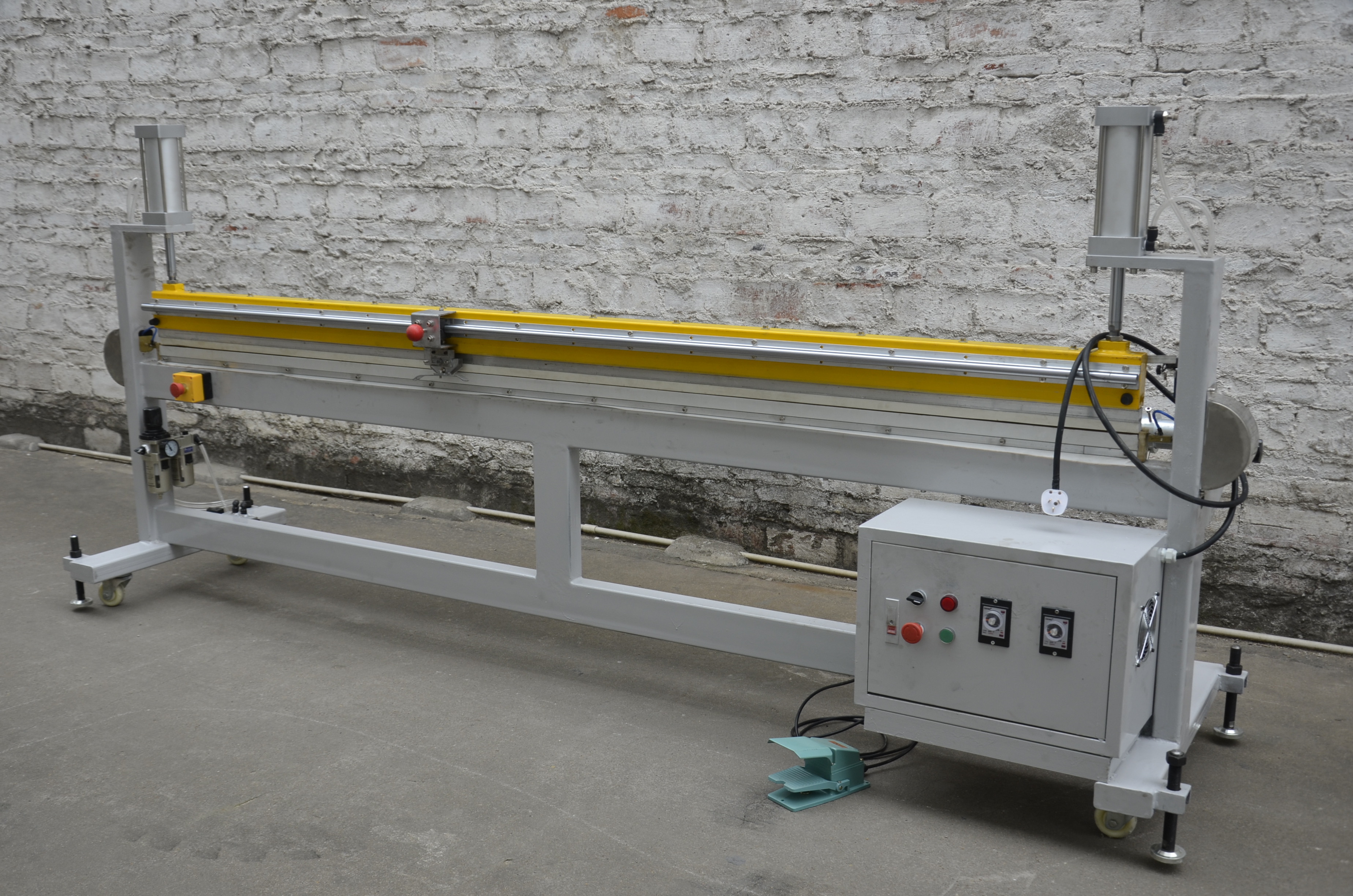
For many years, factories have relied on manual or semi-manual wrapping using stretch film or plastic sheets. Workers wrap each mattress by hand, seal it, and prepare it for shipping.
While this method may seem cost-effective initially, it comes with several hidden drawbacks:
Inconsistent wrapping quality — depends heavily on workers’ skills
High labor costs — requires multiple operators per line
Slower packing speed — limits daily output
Film waste and uneven sealing — increases material usage
Limited protection against dust, moisture, and deformation during transport
As demand for higher production capacity and export-quality packaging grows, these inefficiencies become more noticeable.
A mattress film packing machine automates the entire wrapping process — from film feeding to sealing and cutting — ensuring consistent, high-quality results every time.
Key benefits include:
Automatic packing can wrap mattresses in seconds, compared to minutes with manual wrapping. This greatly increases your daily output and reduces labor dependency.
Computer-controlled sealing ensures precise, neat, and airtight packaging, improving both appearance and protection during storage and shipment.
The machine uses optimized film length and width, minimizing waste and reducing long-term packaging costs.
Tightly sealed film prevents dust, moisture, and contamination, keeping mattresses fresh and clean until they reach customers.
Operators no longer need to handle sharp tools or heavy rolls manually, improving workplace safety and efficiency.
While a mattress film packing machine requires an initial investment, the long-term savings in labor, film, and shipping efficiency quickly outweigh the cost.
Factories that switched from manual wrapping to automated packing reported:
Up to 60% reduction in labor costs
30–40% savings in film usage
Significant increase in daily packing capacity
In high-volume production, the ROI is often achieved within the first year of operation.
If your factory produces mattresses on a large or growing scale, an automatic mattress film packing machine is undoubtedly the smarter choice. It offers consistent results, faster throughput, and a professional appearance that enhances your brand value.
However, for smaller workshops with limited production, manual wrapping might still be a temporary solution — but not a long-term strategy.
Whether you’re upgrading an existing production line or building a new factory, investing in the right packing machine will ensure your business stays ahead of the competition.
Contact Us
Ready to upgrade your mattress production with smarter packing technology?
Get in touch with NAIGU Machinery today for expert advice, demo videos, or a customized quotation.
📧 Email: jenney@gdnaimei.com
📱 WhatsApp/Phone: +86 13924835577
🌐 Website: https://naigumattressmachine.com

