Categories
Key Factors That Affect the Performance of a Mattress Packing Machine |NAIGU
Explore the key factors affecting mattress packing machine performance, including mattress compatibility, film quality, compression settings, speed, automation, and maintenance.
Nov 12th,2026
9 Views
A mattress packing machine plays an important role in improving packing efficiency, reducing package volume, and preparing finished mattresses for storage and transportation. For mattress manufacturers, selecting the right equipment is not only about machine speed. Overall performance also depends on mattress characteristics, packing materials, machine configuration, operating conditions, and maintenance.
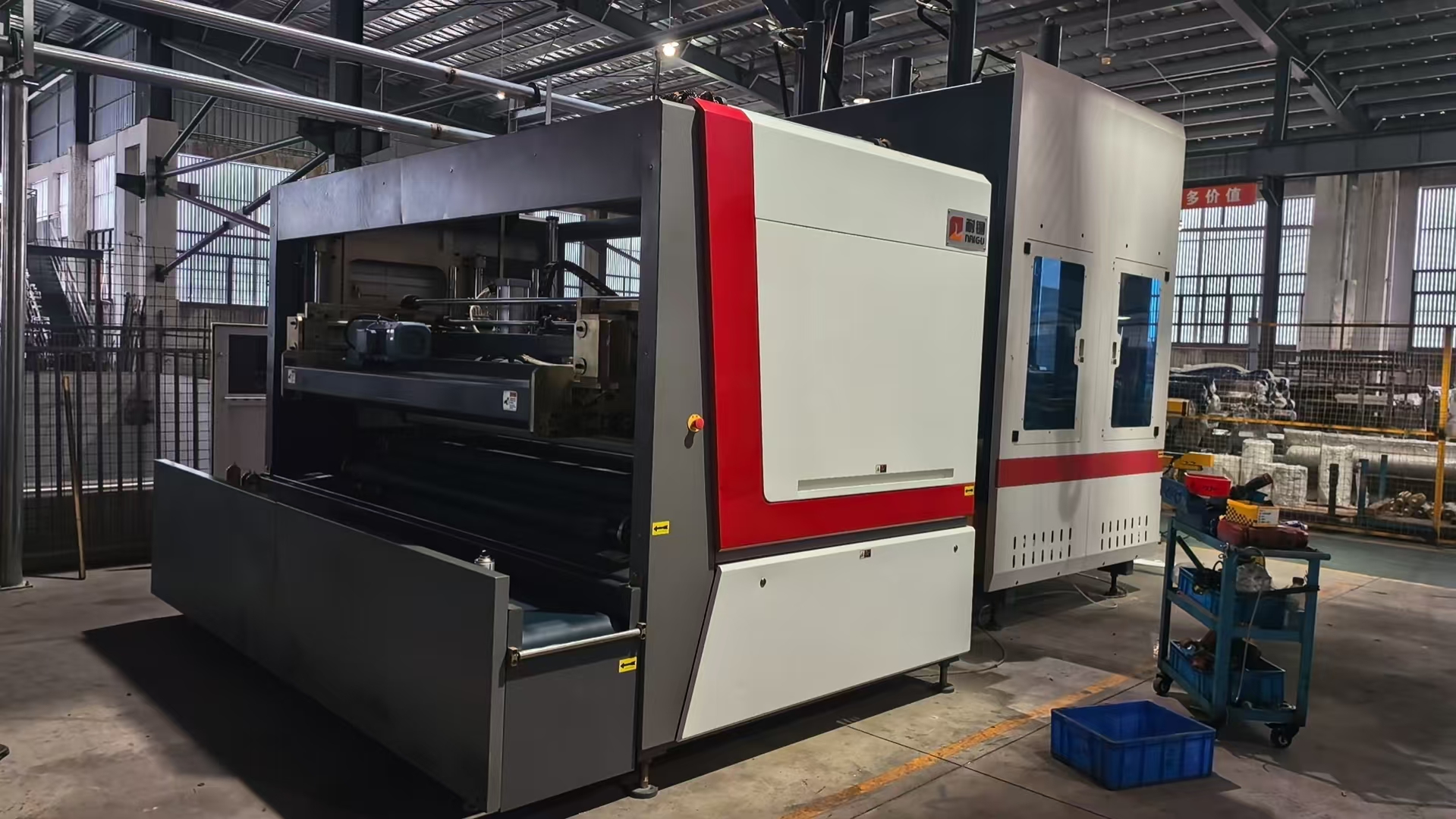
Understanding these factors helps manufacturers choose suitable equipment, improve daily production efficiency, and achieve more consistent packing results.
1. Mattress Size, Thickness, and Construction
Mattress specifications directly affect machine compatibility and packing performance.
Different mattresses vary in length, width, thickness, weight, and internal construction. These differences determine whether a mattress can be processed by a particular compression, folding, or roll packing machine.
Important factors include:
-
Mattress dimensions: Confirm the maximum and minimum mattress sizes supported by the machine.
-
Mattress thickness: Different thicknesses may require different compression settings.
-
Mattress materials: Foam, latex, spring, and hybrid mattresses have different structural characteristics.
-
Mattress weight: Heavier mattresses may require suitable conveying and handling systems.
-
Recovery performance: The mattress should maintain its intended shape and comfort properties after compression and unpacking.
Not every mattress is suitable for compression or roll packing. Manufacturers should evaluate mattress construction and recovery performance before choosing a packing method.
2. Machine Configuration and Packing Process
Different mattress packing machines are designed for different production requirements. The machine configuration determines which packing processes can be completed and how efficiently they work together.
Common mattress packing processes include:
-
-
Plastic bag insertion or film wrapping
-
-
-
-
For example, a compression and roll packing machine combines volume reduction with rolling, making it suitable for compatible mattresses that require compact transportation formats.
A mattress compression and sealing machine may be more appropriate when the main requirement is to reduce mattress volume and seal the finished package without rolling.
Choosing the right machine configuration helps avoid unnecessary processes and improves workflow efficiency.
3. Packing Film Quality and Specifications
Packing materials have a direct influence on sealing quality, package appearance, and transportation protection.
Even a well-configured mattress packing machine may produce inconsistent results if the film is unsuitable for the application.
Key film specifications include:
-
Film thickness: Must match the machine's sealing and packing requirements.
-
Film width: Should accommodate mattress dimensions and the selected packing method.
-
Material properties: Flexibility, strength, and puncture resistance affect packing performance.
-
Sealing compatibility: The film must be suitable for the machine's sealing temperature and process.
-
Film consistency: Stable thickness and quality help reduce feeding and sealing problems.
Mattress manufacturers should test the selected PE film with the actual machine and mattress before starting mass production.
4. Compression Pressure and Control Settings
For compression packing machines, pressure control is an important factor affecting package dimensions and mattress condition.
Insufficient compression may result in a larger package than expected. Excessive compression, on the other hand, may negatively affect certain mattress structures or materials.
Appropriate settings depend on:
-
Mattress material and internal structure
-
Original mattress thickness
-
Target package dimensions
-
-
Product recovery requirements
Manufacturers should follow equipment specifications and conduct product compatibility tests to determine suitable operating parameters.
The goal is to achieve an appropriate package size while maintaining mattress quality and recovery performance.
5. Machine Speed and Production Capacity
Machine speed affects output, but actual production capacity depends on more than the rated operating speed.
The complete packing cycle may include mattress feeding, positioning, compression, sealing, folding, rolling, and unloading. If one process takes significantly longer than the others, it can become a production bottleneck.
When evaluating machine capacity, consider:
-
Actual packing cycle time
-
Mattress size and thickness variations
-
Manual feeding and unloading requirements
-
-
Film replacement frequency
-
Integration with upstream production equipment
A suitable machine should match the factory's daily output requirements rather than simply offer the highest advertised speed.
6. Automation Level and Production Line Integration
The automation level influences labor requirements, workflow consistency, and production efficiency.
Semi-automatic machines may be suitable for smaller factories or businesses with moderate packing volumes. Fully automatic systems can reduce manual handling and connect multiple packing processes into a more continuous workflow.
When selecting equipment, consider whether the machine can integrate with:
-
Mattress production lines
-
Automatic conveying systems
-
Mattress folding equipment
-
Compression and sealing stations
-
Rolling and unloading systems
-
Finished-product handling equipment
A well-planned packing line can reduce unnecessary movement between processes and improve overall production coordination.
7. Operator Skills and Equipment Maintenance
Even advanced mattress packing equipment requires proper operation and routine maintenance.
Operator experience affects mattress positioning, film loading, parameter adjustment, and the handling of different mattress specifications.
Regular maintenance also helps keep the machine operating consistently.
Recommended maintenance practices include:
-
Inspecting conveyor belts and transmission components.
-
Checking sealing elements and temperature control systems.
-
Cleaning sensors and machine surfaces.
-
Inspecting pneumatic and electrical connections.
-
Lubricating components according to the maintenance schedule.
-
Checking safety devices and emergency stop functions.
Operators should receive proper training before running the machine independently. Preventive maintenance can help reduce unexpected downtime and extend equipment service life.
8. After-Sales Support and Technical Service
Technical support is another important factor affecting long-term machine performance, particularly for overseas mattress manufacturers.
Before purchasing equipment, buyers should understand the supplier's service capabilities, including:
-
-
-
Operating manuals and technical documentation
-
-
Remote troubleshooting support
-
Maintenance recommendations
A supplier with practical mattress packing experience can help buyers select suitable equipment configurations and address technical issues more efficiently.
How to Improve Mattress Packing Machine Performance
Manufacturers can improve packing efficiency by taking a systematic approach to equipment selection and operation.
|
Key Area
|
Recommended Action
|
|
Mattress compatibility
|
Test actual mattress samples before purchase
|
|
Film selection
|
Confirm thickness, width, and material suitability
|
|
Machine settings
|
Adjust parameters according to mattress specifications
|
|
Production capacity
|
Match machine output with factory requirements
|
|
Automation
|
Optimize the connection between packing processes
|
|
Maintenance
|
Establish regular inspection and servicing
|
|
Technical support
|
Choose a supplier with installation and training capabilities
|
These measures help manufacturers achieve more stable packing results and reduce avoidable production interruptions.
Conclusion: Select a Mattress Packing Machine for Your Production Needs
The performance of a mattress packing machine depends on several connected factors, including mattress compatibility, machine configuration, packing film quality, compression settings, production speed, automation, and maintenance.
For mattress manufacturers, the best solution is not necessarily the machine with the highest speed or the most advanced configuration. It is the equipment that matches the factory's mattress specifications, production capacity, and packing requirements.
NAIGU Mattress Machinery provides mattress packing equipment and customized packing solutions for mattress manufacturers worldwide. From compression and sealing to folding and roll packing, NAIGU helps customers evaluate suitable machine configurations based on their products and production needs.
Contact NAIGU to discuss your mattress specifications and find a suitable packing solution.


