
For mattress manufacturers, entrepreneurs, and investors, the global mattress industry continues to offer strong growth opportunities in 2026. Rising demand for foam, spring, and hybrid mattresses, combined with advancements in automation, has made mattress production more accessible and profitable than ever. However, starting a mattress manufacturing business requires careful planning, the right machinery, and a clear understanding of production processes.
The mattress market continues to expand due to:
With the right production setup, mattress factories can serve both local and export markets while achieving attractive profit margins.
Before purchasing equipment, determine:
Common mattress categories include:
Understanding customer preferences helps determine the machinery and production line configuration required.
A detailed business plan should include:
A solid business plan helps reduce risks and attract potential investors or financing.
The required factory size depends on production volume.
A typical mattress factory should include:
Efficient factory layout design improves productivity and reduces material handling costs.
The machinery you choose directly impacts production efficiency and product quality.
Used for stitching mattress panels and creating decorative patterns.
Used to sew mattress borders and join mattress panels.
Compress mattresses for easier transportation and storage.
Roll compressed mattresses into compact packages to reduce shipping costs.
Prepare finished mattresses for domestic and export delivery.
Improve efficiency and reduce labor requirements.
Many growing factories start with semi-automatic machines and gradually upgrade to fully automated production lines.
Reliable suppliers are essential for maintaining consistent product quality.
Key materials include:
Establishing long-term supplier relationships can help reduce production costs and ensure stable supply.
A mattress factory typically requires:
Employee training plays a critical role in maintaining product consistency and production efficiency.
Quality assurance should be integrated into every stage of production.
Key inspection areas include:
Consistent quality helps build brand reputation and reduce customer complaints.
Packaging efficiency directly affects shipping costs.
Modern factories increasingly use:
These solutions can significantly reduce container space requirements and improve export competitiveness.
Successful mattress manufacturers typically use multiple sales channels:
Digital marketing and B2B lead generation have become increasingly important for attracting customers worldwide.
As production grows, automation becomes a key competitive advantage.
Benefits include:
Investing in scalable machinery allows factories to expand efficiently as demand increases.
Starting a mattress manufacturing business in 2026 requires market research, strategic planning, quality equipment, and efficient production management. By selecting the right machinery and implementing modern manufacturing practices, new factories can achieve sustainable growth and compete effectively in both domestic and international markets.
Whether you are launching a new mattress factory or upgrading an existing operation, investing in reliable mattress manufacturing equipment is one of the most important decisions for long-term success.
Contact Us:
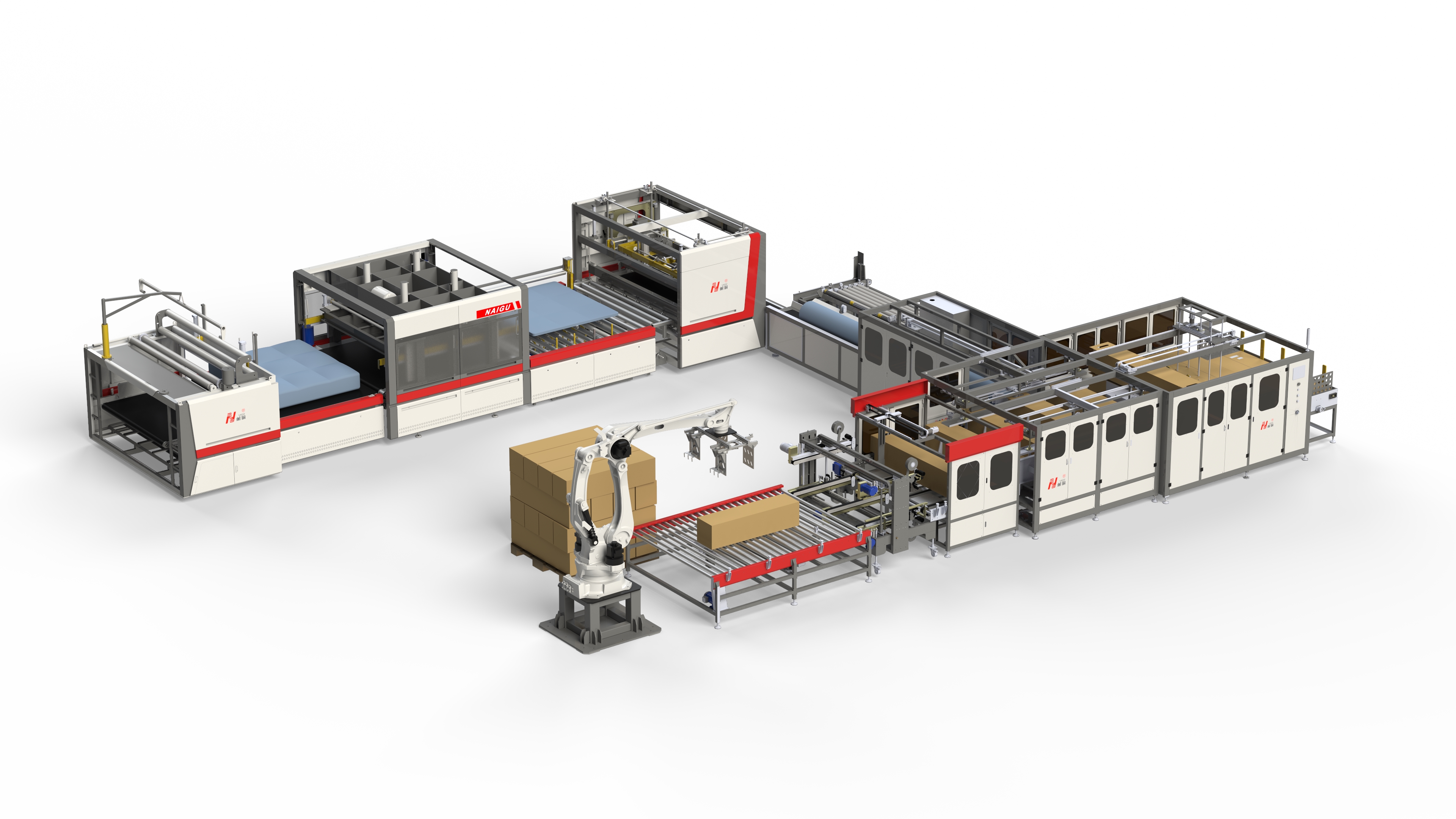
Looking for reliable mattress manufacturing equipment? NAIGU provides complete mattress production solutions, including quilting machines, tape edge machines, mattress compression machines, roll packing machines, and fully integrated production lines. Contact us today for customized factory solutions and competitive quotations.
📧 Email: jenney@gdnaimei.com
📱 WhatsApp/Phone: +86 13924835577
🌐 Website: https://naigumattressmachine.com

