
In today’s competitive mattress industry, shipping cost has become one of the biggest challenges for manufacturers, wholesalers, and online mattress brands. Traditional mattresses occupy large storage space and require high transportation expenses, especially for international export and e-commerce delivery.
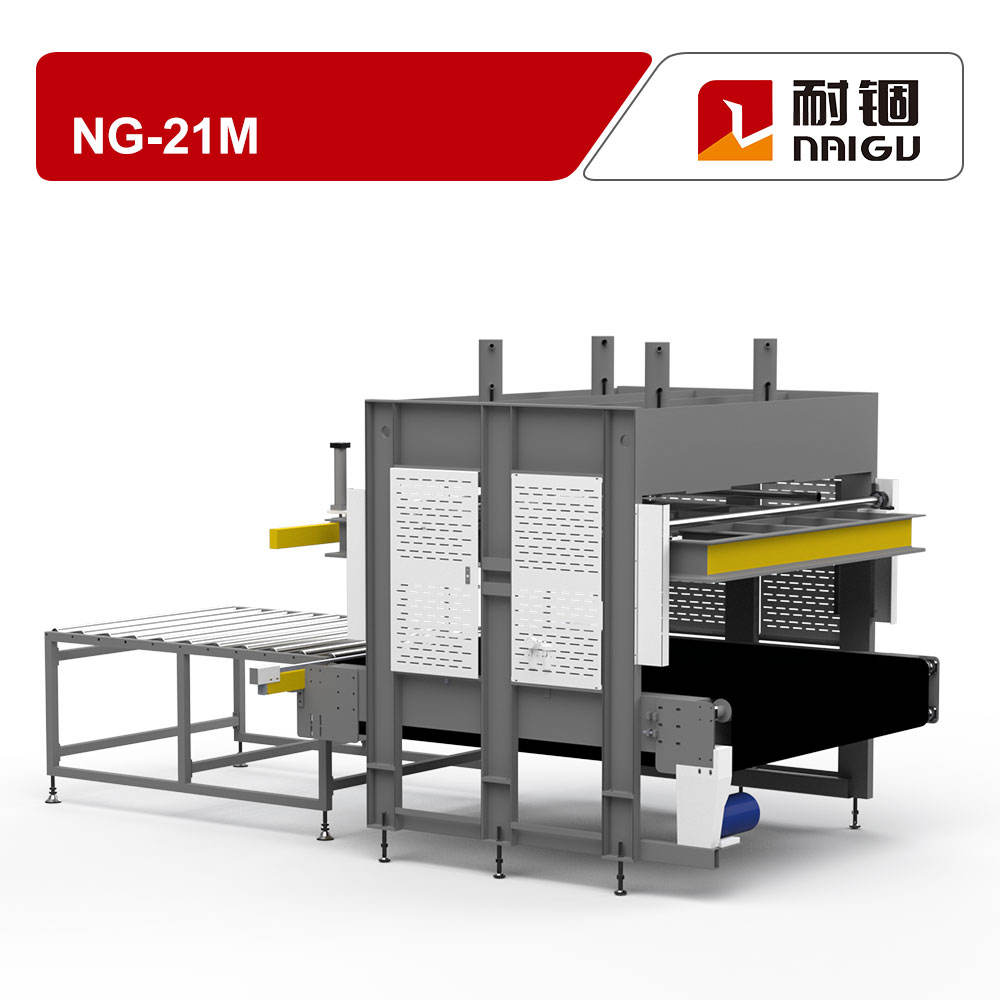
With advanced mattress compression technology, factories can significantly reduce shipping volume, improve container loading efficiency, and lower overall logistics costs. Modern compression and roll packing systems are now an essential part of mattress manufacturing and export operations.
Mattresses are bulky products with low shipping density. A standard mattress can take up considerable space in warehouses and containers, even before reaching retailers or consumers.
Common cost problems include:
For export-oriented mattress factories, inefficient packing can directly reduce profit margins.
Mattress compression technology uses hydraulic pressure and automatic packing systems to compress mattresses into smaller sizes for transportation and storage.
Depending on the packing method, mattresses can be:
This technology is widely used for foam mattresses, pocket spring mattresses, memory foam mattresses, and hybrid mattresses.
The biggest advantage is improved container utilization.
Without compression, a 40HQ container may load a limited number of mattresses. After compression and roll packing, loading quantity can increase dramatically.
This helps manufacturers:
For global mattress exporters, this creates major long-term savings.
Compressed mattresses occupy far less storage space.
Factories can:
This is especially important for fast-growing mattress brands and OEM factories handling large production volumes.
Online mattress sales continue growing worldwide. Many “bed-in-a-box” brands rely heavily on roll packing technology.
Compressed and rolled mattresses are easier to:
Consumers also prefer compact packaging because it is easier to move and install.
Advanced automatic packing systems reduce manual handling during packing and loading.
Modern mattress compression lines can automatically:
Automation helps reduce labor dependency while improving packing consistency and production efficiency.
High-quality PE film and automatic sealing technology help protect mattresses during transportation.
Proper packing can reduce:
Professional packing also improves brand image when products arrive at customer warehouses or retail stores.
Different factories require different packing solutions depending on production scale and mattress type.
Suitable for:
Advantages:
Suitable for:
Advantages:
When selecting mattress compression equipment, manufacturers should consider:
Reliable machine suppliers can customize suitable solutions according to factory conditions and production goals.
As global logistics costs continue increasing, compression and roll packing technology will become even more important.
Future developments may include:
Factories that invest in advanced mattress packing technology today can gain significant competitive advantages in international markets.
Advanced mattress compression technology is no longer optional for modern mattress manufacturers. It has become a critical solution for reducing shipping costs, improving warehouse efficiency, and supporting global mattress exports.
Whether for e-commerce brands, OEM factories, or international distributors, efficient compression and roll packing systems can help businesses lower operational costs and improve profitability.
For manufacturers looking to expand export business and optimize logistics performance, investing in advanced mattress compression equipment is a practical and long-term strategy.
NAIGU Mattress Machinery provides professional mattress compression and roll packing solutions for mattress factories worldwide.
📧 Email: jenney@gdnaimei.com
📱 WhatsApp/Phone: +86 13924835577
🌐 Website: https://naigumattressmachine.com

