
A mattress sewing machine plays a vital role in mattress manufacturing — from quilting and border sewing to tape edging and final assembly. To keep production efficient and consistent, regular maintenance is essential. In this guide, we’ll explore the key steps to maintain your mattress sewing machine for long-term stable performance.
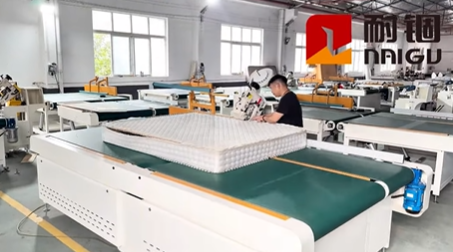
Mattress production often generates lint, thread, and fabric dust. If left uncleaned, these residues can clog moving parts and reduce stitching precision.
Clean the machine daily with a soft brush or compressed air.
Pay special attention to the needle plate, shuttle area, and feed dog.
Avoid using high-pressure air directly on sensitive sensors or electronics.
Keeping the machine clean not only ensures sewing accuracy but also prevents premature wear on mechanical parts.
Lubrication is key to ensuring smooth mechanical movement.
Follow the manufacturer’s recommended oiling schedule.
Use high-quality sewing machine oil and apply it to designated lubrication points.
Avoid over-oiling — excessive oil can cause thread contamination or fabric stains.
For high-speed mattress sewing machines, proper lubrication is crucial to reduce heat buildup and extend motor life.
Using worn or incorrect needles can lead to skipped stitches, thread breakage, or inconsistent seams.
Replace needles regularly, especially after heavy-duty sewing or when changing fabric types.
Use the correct needle size and thread tension for each material.
Inspect the thread path for burrs or tension spring damage.
This simple step ensures every mattress border or quilting line remains strong and visually perfect.
A stable drive system keeps your sewing line running smoothly.
Check timing belts and drive gears for wear or misalignment.
Listen for unusual noises that could signal bearing or motor issues.
Keep spare belts and common parts ready to avoid production delays.
Regular inspection minimizes downtime and ensures your sewing machine runs with consistent power transmission.
Long-term performance depends on proper calibration:
Ensure the needle and hook timing are correctly aligned.
Verify presser foot pressure and feed dog synchronization.
Test stitch patterns on sample fabric before full production.
Accurate calibration prevents defects in edge finishing or decorative seams and maintains your product’s professional quality.
Don’t wait for a problem to appear. Set a regular preventive maintenance plan:
Weekly: clean, oil, check needles and threads.
Monthly: inspect belts, timing, and electrical connections.
Quarterly: professional technician service and recalibration.
Preventive maintenance keeps the machine running at its best performance and lowers long-term costs.
Operator skill directly affects machine life.
Train staff on proper threading, tension setting, and material handling.
Emphasize how to stop the machine correctly and avoid forced operation.
Encourage reporting of any abnormal sound or vibration early.
Well-trained operators help maintain both machine health and production consistency.
📧 Email: jenney@gdnaimei.com
📱 WhatsApp/Phone: +86 13924835577
🌐 Website: https://naigumattressmachine.com

