Categories
How Mattress Compression Technology Reduces Shipping Volume |NAIGU
Discover how mattress compression technology reduces shipping volume, improves container loading, saves warehouse space, and helps manufacturers optimize logistics with automatic mattress compression and roll packing machines.
Oct 9th,2026
9 Views
Mattress compression technology has become an important solution for mattress manufacturers looking to optimize storage, transportation, and distribution. Traditional mattresses can take up considerable space during shipping, increasing warehouse requirements and transportation costs. By using specialized mattress compression and roll packing machines, manufacturers can reduce package volume, improve loading efficiency, and streamline logistics operations.
1. How Mattress Compression Technology Works
Mattress compression technology uses controlled mechanical pressure to reduce the thickness of compatible mattresses before they are sealed in protective packing materials. Depending on the machine configuration, the process may also include folding and rolling to create a compact package.
Foam mattresses are commonly suitable for compression and roll packing. Latex, hybrid, and pocket spring mattresses may also be processed, depending on their materials, internal structure, and construction. Manufacturers should confirm compatibility before choosing a packing method.
2. Reducing Mattress Package Volume
One of the main benefits of mattress compression is the reduction in package size. Uncompressed mattresses occupy substantial space because of their original thickness and dimensions. Compression reduces their thickness, while rolling can further create a compact package for suitable mattress types.
Smaller packages are easier to handle and organize in warehouses. They can also help manufacturers improve space utilization during distribution and delivery.
The actual volume reduction depends on mattress thickness, material properties, compression settings, and the selected packing process. Testing different mattress models helps determine the most appropriate solution.
3. Improving Shipping and Container Loading Efficiency
Shipping volume directly affects how efficiently products can be loaded into containers and other transportation vehicles. When mattresses are compressed and roll-packed, their smaller package dimensions may allow manufacturers to arrange more units within the available space.
Improved loading efficiency can offer several advantages:
-
Better utilization of container capacity
-
More efficient shipment planning
-
Reduced space requirements per mattress
-
Potentially lower transportation costs per unit
Actual savings depend on package dimensions, container specifications, loading arrangements, and freight pricing. Manufacturers should compare loading plans before and after compression to estimate the benefits accurately.
4. Reducing Warehouse Storage Requirements
Warehouse space is another important cost factor for mattress manufacturers, wholesalers, and retailers. Storing full-size mattresses can require considerable floor space, especially when inventory levels are high.
Compressed roll-packed mattresses can be stored in a more compact arrangement, helping businesses organize inventory and improve warehouse utilization. This can be particularly useful for manufacturers supplying distributors, e-commerce businesses, and international markets.
More efficient storage also supports inventory management by making products easier to arrange, identify, and prepare for shipment.
5. Protecting Mattresses During Transportation
Reducing package volume is only one part of an effective mattress packing process. Mattresses must also be protected from dust, moisture, and surface contamination during handling, storage, and transportation.
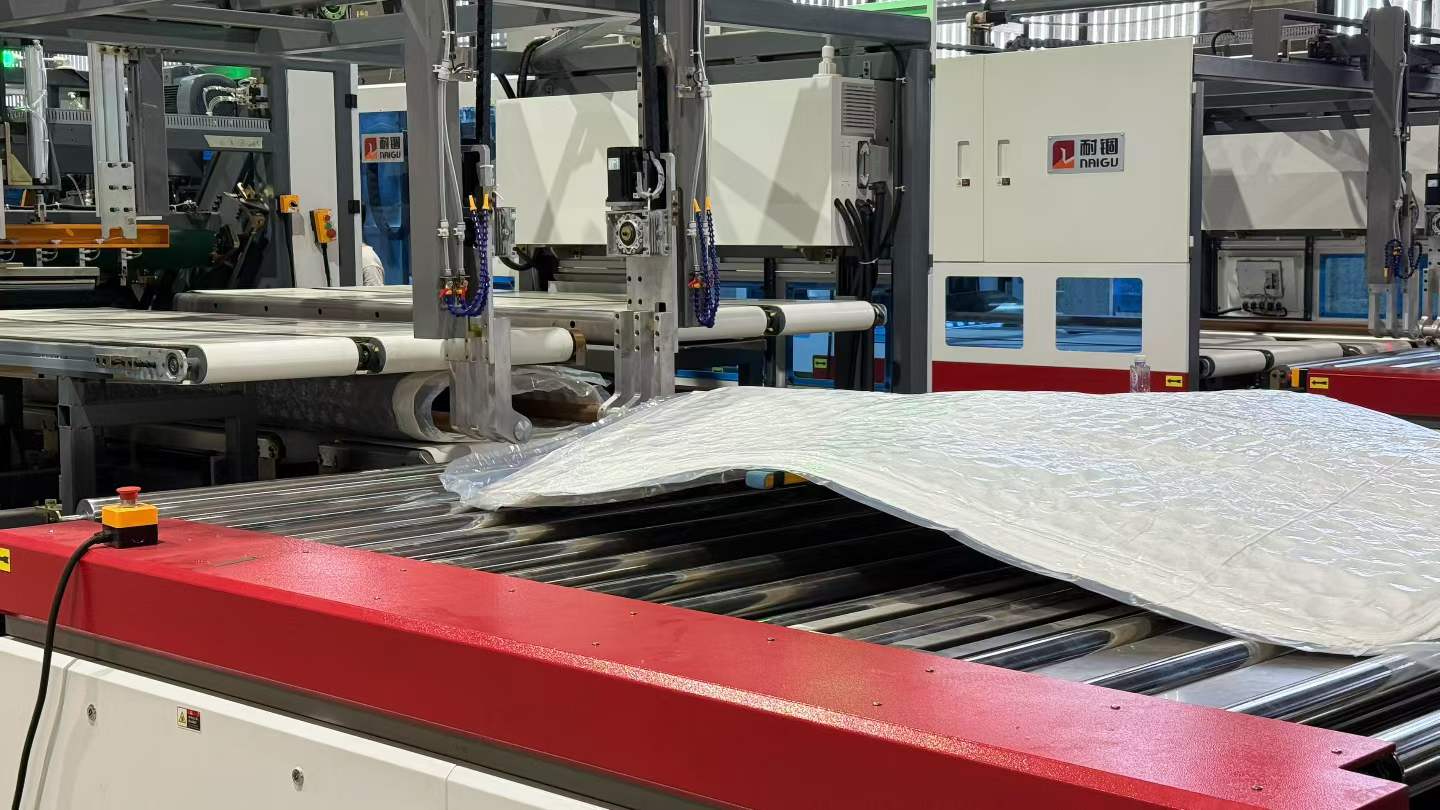
Mattress compression roll packing machines can integrate protective film wrapping and sealing, depending on their configuration. Compatible PE film or other suitable packing materials help keep the mattress package secure throughout the logistics process.
Proper compression settings are equally important. Excessive compression or unsuitable rolling methods may affect certain foam structures, spring systems, or mattress components. Manufacturers should follow material-specific recommendations and verify mattress recovery after unpacking.
6. The Role of Automatic Mattress Compression Roll Packing Machines
Automatic mattress compression roll packing machines help integrate several packing operations into one production workflow. Depending on the model, these operations may include mattress feeding, compression, folding, film wrapping, sealing, and rolling.
Compared with separate manual operations, an integrated system can reduce repetitive handling and improve workflow consistency. For factories with higher production volumes, automation can also help reduce packing bottlenecks and coordinate the packing stage with upstream mattress production.
When selecting equipment, buyers should consider mattress dimensions, required output, finished package size, automation level, available factory space, and compatibility with existing production equipment.
7. How to Choose the Right Mattress Compression Solution
Choosing the right machine requires an understanding of both product characteristics and production goals. Before requesting a quotation, manufacturers should prepare the following information:
-
Mattress specifications: Length, width, thickness, materials, and internal construction.
-
Packing requirements: Compression only, compression and roll packing, or folding and roll packing.
-
Target package dimensions: Desired roll diameter, package length, and final thickness.
-
Production capacity: Expected number of mattresses packed per hour or per day.
-
Packing materials: Film type, width, thickness, and sealing requirements.
-
Factory conditions: Available space, existing conveyors, and automation requirements.
Providing these details allows equipment suppliers to recommend a more suitable machine configuration and evaluate the expected packing results.
Conclusion
Mattress compression technology helps manufacturers reduce shipping volume, improve container loading efficiency, save warehouse space, and streamline product handling. When combined with suitable roll packing equipment and protective film wrapping, it can support a more efficient mattress distribution process.
The best results depend on selecting the right machine for the mattress materials, package dimensions, and production requirements. Testing representative products before purchasing equipment is an important step in confirming performance and product recovery.
NAIGU provides mattress compression machines, roll packing machines, and automated mattress packing solutions for different manufacturing needs. Contact our team to discuss your mattress specifications and find the right packing solution for your factory.


