Categories
How Long Can a Mattress Stay Compressed? |NAIGU
How long a mattress can stay compressed depends on its materials, foam density, compression ratio, packing film, and storage conditions. This guide explains the key factors manufacturers should consider before using compressed mattress roll packing for storage and transportation.
Sep 15th,2026
0 Views
Mattress compression and roll packing can significantly reduce product volume, making mattresses easier to store, handle, and transport. However, many mattress manufacturers, distributors, and retailers ask the same question: How long can a mattress safely stay compressed?
There is no single time limit for every mattress. The appropriate compression period depends on the mattress materials, foam density, compression ratio, packing method, storage environment, and manufacturer's recommendations.
What Determines How Long a Mattress Can Stay Compressed?
1. Mattress Material
Foam mattresses generally respond differently to compression than traditional spring mattresses. Memory foam, latex, polyurethane foam, and hybrid constructions can have different recovery characteristics.
Before setting a long-term storage period, manufacturers should test the actual mattress construction under the intended compression conditions.
2. Foam Density and Structure
Foam density and cell structure can affect recovery after compression. Some foam products can recover quickly after unpacking, while others may require more time to return to their original dimensions.
A mattress should therefore be evaluated based on its specific foam formulation rather than using a universal compression time.
3. Compression Ratio
Higher compression reduces the mattress volume further, but it also places greater demands on the material. Excessive compression for an extended period may affect recovery performance depending on the mattress construction.
Manufacturers should determine an appropriate compression ratio through product testing.
4. Packing Film and Sealing
The packing film must maintain an effective seal throughout storage and transportation. A suitable mattress packing film helps prevent air from entering the compressed package prematurely.
Film quality, thickness, sealing performance, and package integrity can therefore influence the practical storage period.
5. Storage Conditions
Temperature and humidity can affect foam recovery and material performance. Mattresses stored for extended periods should generally be kept in a suitable warehouse environment and protected from excessive heat, moisture, and direct sunlight.
Is Long-Term Mattress Compression Suitable for Every Mattress?
No. Not every mattress should be compressed and stored for the same length of time.
Before introducing mattress compression roll packing for long-distance shipping or warehouse storage, manufacturers should conduct tests covering:
-
Compression and roll packing
-
Storage duration
-
Package integrity
-
Mattress recovery after unpacking
-
Final mattress dimensions
-
Product appearance and comfort
These tests can help manufacturers establish a suitable storage and transportation guideline for each mattress model.
How Can Manufacturers Reduce Compression Risks?
A reliable compression packing process is important. Manufacturers should use appropriate compression pressure, film specifications, sealing parameters, and packing equipment.
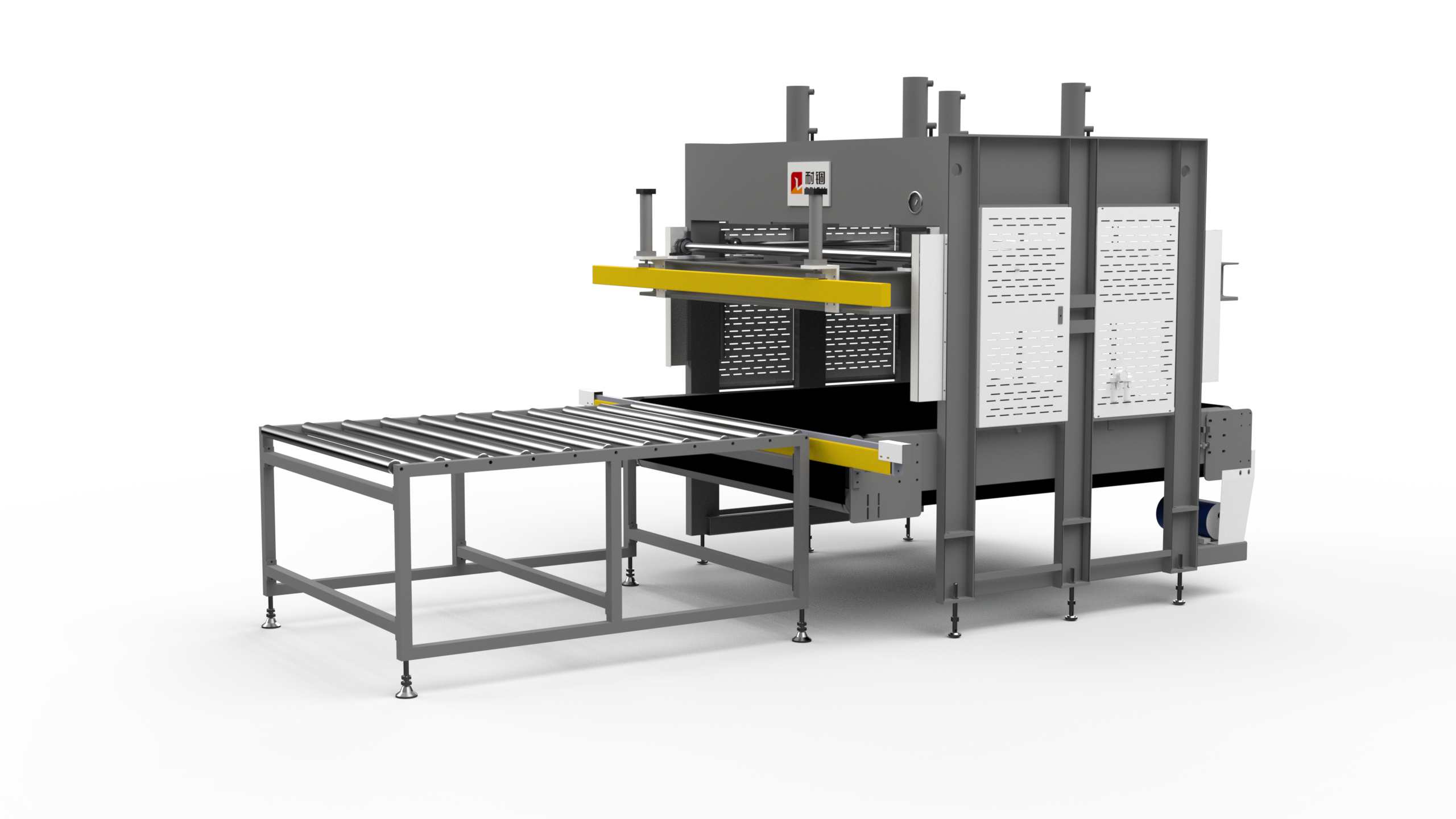
Automatic mattress compression and roll packing systems can help standardize the packing process and maintain consistent package dimensions across different production batches.
However, automation does not replace product testing. The compression parameters should still be adjusted according to the mattress construction.
What Should Buyers Check Before Purchasing Compressed Mattresses?
For mattress distributors and retailers, it is useful to follow the manufacturer's unpacking and recovery instructions. After removing the mattress from its compressed package, allow sufficient time for it to recover before evaluating its final dimensions and performance.
The recommended recovery time can vary significantly between mattress constructions.
Final Takeaway
How long can a mattress stay compressed? There is no universal answer. The safe and practical compression period depends on the mattress material, foam characteristics, compression ratio, packing film, sealing quality, and storage conditions.
For mattress manufacturers, product testing is the best way to determine an appropriate compression and storage period. Combining the right mattress compression machine, packing film, and process parameters can help maintain package integrity and product quality throughout transportation and storage.


