
Mattress compression has transformed the way manufacturers package, store, and ship products around the world. By reducing mattress volume, factories can lower transportation costs, improve warehouse efficiency, and increase container loading capacity. However, not every mattress material responds to compression in exactly the same way.
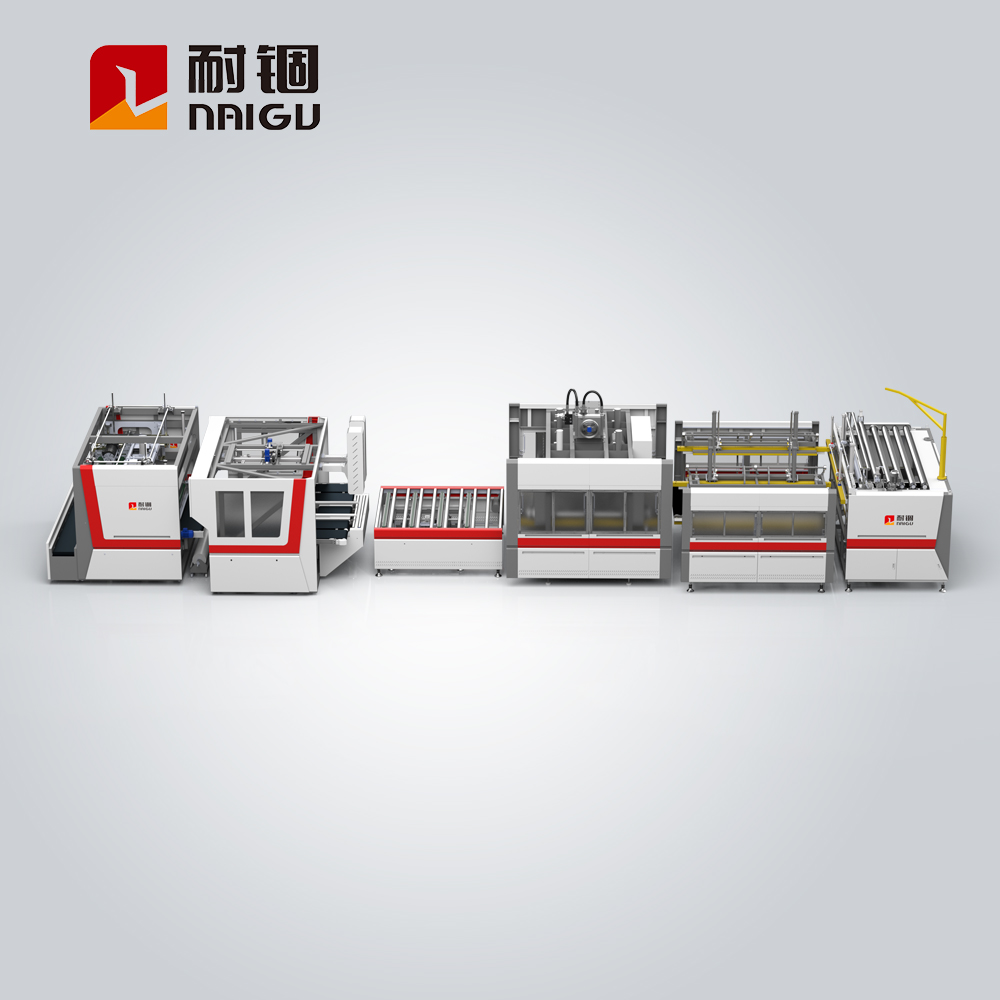
Understanding how different mattress materials behave during compression helps manufacturers choose the right packaging method and equipment while maintaining product quality. With advanced mattress compression roll packing machines, NAIGU provides reliable solutions for a wide range of mattress types used in global markets.
The internal construction of a mattress determines how well it can withstand compression, how quickly it recovers its original shape, and how long it can remain compressed.
Factors that influence compression performance include:
Choosing the correct compression process ensures efficient packaging without compromising product performance.
Memory foam is one of the most compression-friendly mattress materials.
Memory foam compresses easily because of its flexible cellular structure. After unpacking, it gradually expands back to its original shape.
Because of these characteristics, memory foam mattresses are among the most commonly exported compressed mattresses.
Standard polyurethane foam is also well suited for compression packaging.
PU foam provides good flexibility while maintaining structural stability during compression.
Different foam densities may require different compression settings for optimal results.
Hybrid mattresses combine foam comfort layers with pocket springs or other support systems.
Most hybrid mattresses can be compressed successfully when designed for compression packaging.
Because hybrid mattresses contain multiple materials, manufacturers should use professional compression equipment that applies consistent pressure throughout the process.
Pocket spring mattresses are widely exported using compression technology.
Individually wrapped springs allow the mattress to compress while maintaining support after expansion.
Professional compression equipment helps maintain consistent compression without placing uneven stress on the spring system.
Latex mattresses require additional consideration during compression.
Natural and synthetic latex are highly elastic, but not every latex mattress is suitable for long-term roll packing.
Manufacturers should evaluate latex products individually before selecting compression packaging.
Traditional innerspring mattresses with interconnected spring systems may respond differently compared to pocket spring models.
Some innerspring mattresses can be compressed, while others may not be suitable depending on their construction and intended use.
Manufacturers should assess:
Professional testing is recommended before implementing compression packaging for these products.
Regardless of mattress material, several factors affect compression quality.
Thicker mattresses generally require greater compression force and appropriate equipment settings.
Higher-density foam may recover more slowly but often provides excellent long-term durability.
Keeping mattresses compressed longer than recommended may affect recovery performance. Manufacturers should follow appropriate storage and shipping practices.
High-quality PE film, stretch film, or other protective packing materials help maintain compression while protecting against dust, moisture, and handling damage.
Selecting suitable equipment is just as important as choosing the right packaging method.
NAIGU offers:
These machines can be configured according to:
NAIGU supports mattress manufacturers worldwide with reliable packaging equipment designed for modern production environments.
Advantages include:
Our solutions help manufacturers improve packaging consistency while reducing labor and logistics costs.
To achieve the best results, manufacturers should:
These practices help ensure efficient packaging while maintaining product quality.
Different mattress materials respond to compression in different ways, making it essential for manufacturers to understand their products before choosing a packaging solution. Memory foam, PU foam, many hybrid mattresses, and numerous pocket spring models are well suited for compression, while latex and traditional innerspring mattresses may require additional evaluation.
With advanced mattress compression and roll packing machines, NAIGU helps manufacturers package a wide variety of mattress types efficiently, reduce shipping costs, improve container utilization, and enhance overall production efficiency.
Whether you produce foam, hybrid, or spring mattresses, NAIGU can provide customized compression solutions to support your business and global export operations.
📧 Email: jenney@gdnaimei.com
📱 WhatsApp/Phone: +86 13924835577
🌐 Website: https://naigumattressmachine.com

