Categories
Foam Block Compression Technology Explained: Improving Storage, Transportation, and Production Efficiency |NAIGU
Explore how foam block compression technology helps manufacturers reduce storage space, lower transportation costs, and improve production efficiency. This article explains the working process, key benefits, and applications of foam compression solutions in mattress, furniture, and foam manufacturing industries.
Aug 7th,2026
7 Views
Foam materials are widely used in mattresses, furniture, automotive products, and various industrial applications. However, large foam blocks require significant storage space and transportation costs due to their high volume and lightweight structure.
Foam block compression technology provides an efficient solution by reducing foam volume while maintaining material performance. Through advanced compression equipment, manufacturers can optimize logistics, improve warehouse utilization, and increase overall production efficiency.
This article explains how foam block compression technology works, its benefits, and why it is becoming increasingly important for modern foam manufacturers.
What Is Foam Block Compression Technology?
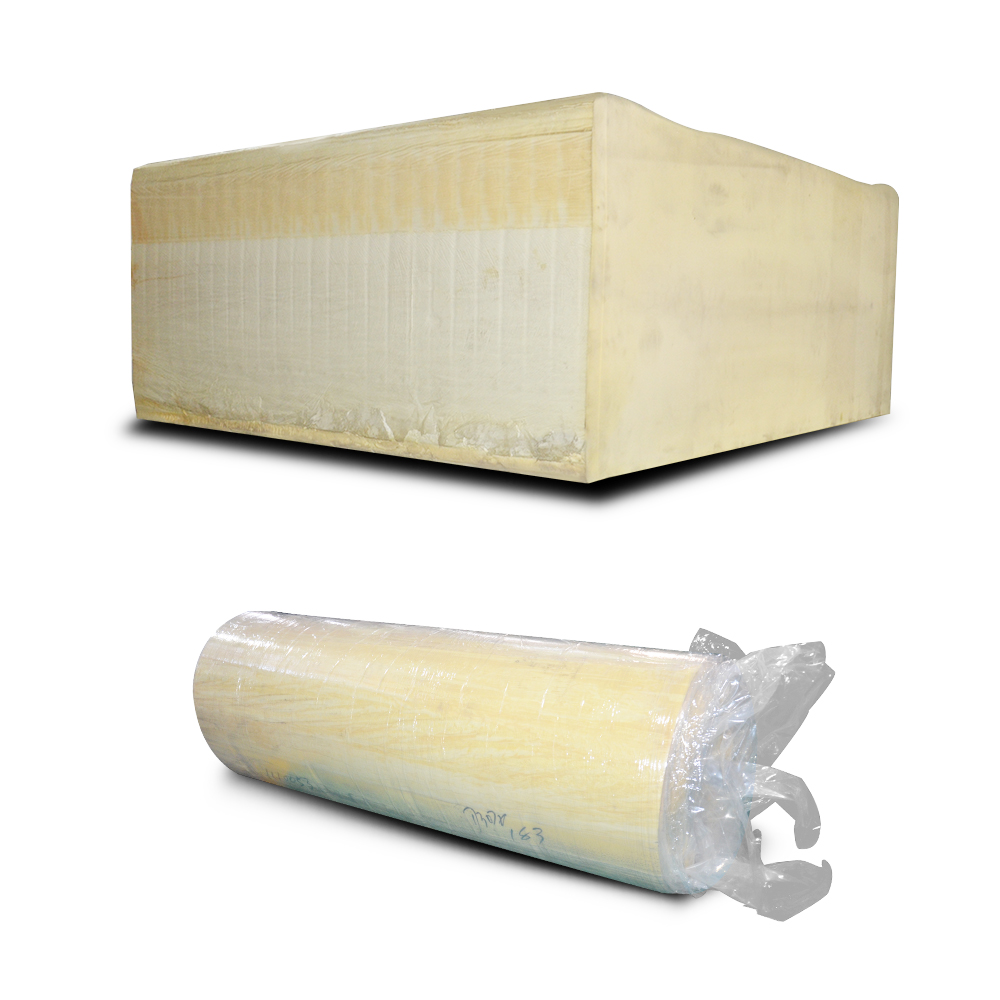
Foam block compression technology is a process that uses mechanical force to reduce the size of large foam blocks before storage or transportation.
During the compression process, foam materials are compressed into smaller packages and secured with protective materials. When unpacked, high-quality foam can gradually recover to its original shape.
This technology is commonly used for:
-
Mattress foam production
-
Furniture foam manufacturing
-
Sofa cushion materials
-
Memory foam products
-
Latex foam applications
How Does Foam Block Compression Work?
The foam compression process generally includes several key steps:
1. Foam Preparation
Foam blocks are inspected and prepared according to size, density, and material requirements.
2. Compression
A foam compression machine applies controlled pressure to reduce the foam block volume.
The compression level depends on:
-
Foam density
-
Material flexibility
-
Block size
-
Final packaging requirements
3. Packing and Sealing
After compression, foam blocks are wrapped with strong packing materials to maintain the compact size during transportation.
4. Recovery Process
After opening the package, compressed foam gradually expands and returns to its original dimensions.
Benefits of Foam Block Compression Technology
1. Reduce Transportation Costs
The biggest advantage of foam compression is volume reduction.
Compressed foam blocks require less shipping space, which helps manufacturers:
-
Reduce freight costs
-
Increase container loading capacity
-
Improve transportation efficiency
-
Lower logistics expenses
For global foam suppliers, compression technology creates significant advantages in international shipping.
2. Maximize Warehouse Space
Large foam blocks occupy considerable warehouse space.
Compression technology helps manufacturers:
-
Store more products in limited areas
-
Improve inventory management
-
Reduce storage costs
-
Optimize factory space utilization
This is especially valuable for factories with high production volumes.
3. Improve Production Efficiency
Modern foam compression machines provide stable and efficient operation.
Advantages include:
-
Faster packing speed
-
Consistent compression results
-
Reduced manual labor
-
Improved production workflow
Automation helps foam manufacturers handle larger orders while maintaining product quality.
4. Protect Foam Quality During Transportation
Professional compression systems are designed to protect foam materials during storage and shipping.
Proper compression helps prevent:
-
Unnecessary movement during transport
-
Packaging problems
-
External contamination
Using suitable packing materials ensures foam products remain protected throughout the supply chain.
Applications of Foam Compression Technology
Foam block compression solutions are widely used in different industries.
Mattress Industry
Mattress manufacturers use foam compression technology to produce:
-
Compressed foam mattresses
-
Roll packed mattresses
-
Space-saving mattress products
Furniture Industry
Furniture manufacturers use compressed foam for:
-
Sofa cushions
-
Chair padding
-
Upholstery materials
Export Business
Foam suppliers benefit from:
-
Lower shipping costs
-
More efficient international delivery
-
Improved market competitiveness
Types of Foam Suitable for Compression
Different foam materials have different compression characteristics.
Common materials include:
Memory Foam
Memory foam is highly flexible and commonly used in compressed mattress products.
Polyurethane Foam
PU foam is widely used in furniture and mattress applications.
Latex Foam
Latex foam can also be compressed when suitable structures and equipment are used.
The correct compression method depends on foam properties and product requirements.
How to Choose the Right Foam Compression Machine
When selecting foam compression equipment, manufacturers should consider:
Foam Size and Density
The machine should match the dimensions and characteristics of the foam blocks.
Production Capacity
Factories should select equipment according to daily output requirements.
Compression Performance
Stable pressure control ensures consistent package quality.
Automation Level
Options include:
-
Semi-automatic foam compression machines
-
Fully automatic compression systems
Choosing the right automation level helps balance investment and production efficiency.
Why Foam Manufacturers Need Compression Solutions
As global demand for mattresses and furniture continues to grow, efficient logistics and storage become increasingly important.
Foam compression technology helps manufacturers:
-
Improve supply chain efficiency
-
Reduce operating costs
-
Increase export capability
-
Build competitive advantages
For companies serving international markets, compression equipment has become an important part of modern manufacturing.
Why Choose NAIGU Foam Compression Solutions?
NAIGU provides professional compression solutions for foam and mattress manufacturers worldwide.
Our equipment helps customers:
-
Optimize packing processes
-
Reduce transportation costs
-
Improve production efficiency
-
Support large-scale manufacturing
With reliable technology and customized solutions, NAIGU helps factories achieve smarter and more efficient production.
Conclusion
Foam block compression technology is an effective solution for reducing product volume, improving transportation efficiency, and optimizing storage management. As foam and mattress industries continue to expand globally, advanced compression equipment will play an increasingly important role.
For foam manufacturers looking to improve efficiency and reduce logistics costs, investing in professional foam compression technology is a valuable step toward future growth.
Contact NAIGU for professional foam compression machines and customized packing solutions.


