Categories
Consistent Sofa Roll Packing Quality | NAIGU
Learn how to maintain consistent package quality in sofa roll packing through proper film selection, compression control, reliable sealing, machine maintenance, and quality inspection.
Oct 15th,2026
4 Views
How to Maintain Consistent Package Quality in Sofa Roll Packing
For sofa manufacturers, consistent package quality is essential for protecting furniture during storage, handling, and transportation. When sofas are compressed and roll-packed, manufacturers must control several factors, including compression settings, film quality, sealing performance, and machine operation.
A stable sofa roll packing process helps reduce packaging defects, improve production efficiency, and deliver a more consistent finished product to distributors and customers. Here are seven practical ways to maintain reliable packing quality.
1. Select the Right Sofa Packing Film
Packing film plays an important role in maintaining package integrity. If the film is unsuitable for the sofa's dimensions, surface characteristics, or compression requirements, it may tear, stretch excessively, or fail during handling.
When selecting film for sofa compression roll packing, consider:
-
Film thickness: Choose a suitable thickness based on sofa size, weight, and packing conditions.
-
Tensile strength: Ensure the film can withstand the stresses created during compression and handling.
-
Puncture resistance: Consider sharp edges, frame components, and other features that may damage the film.
-
Sealing compatibility: Confirm that the film works with the machine's sealing system.
-
Film consistency: Check that thickness, width, and material properties remain consistent between batches.
Testing film with the actual sofa and packing machine helps manufacturers identify suitable specifications before starting large-scale production.
2. Control Compression Parameters
Compression settings directly affect package dimensions and the condition of the finished sofa. Excessive compression may damage certain sofa structures or cushioning materials, while insufficient compression may result in larger packages than expected.
Manufacturers should establish appropriate compression parameters according to sofa construction, foam properties, frame design, and supplier recommendations.
Before adjusting settings, check whether the sofa model is suitable for compression and roll packing. Different sofa designs may require different operating parameters, so one setting should not automatically be applied to every product.
3. Maintain Consistent Film Wrapping and Sealing
Uneven film wrapping can lead to loose areas, wrinkles, or inconsistent package appearance. Poor sealing may also compromise package integrity during transportation.
To improve consistency, operators should regularly check film alignment, feeding tension, wrapping position, and sealing conditions. The film should be correctly positioned before each packing cycle, and sealing temperature and time should follow the film and machine specifications.
For automatic sofa compression roll packing machines, routine checks of feeding, cutting, and sealing mechanisms help maintain stable performance.
4. Standardize Sofa Preparation Before Packing
The condition of the sofa before packing can influence the final result. Differences in cushion placement, removable components, product positioning, and folding arrangements may create variations in package size and appearance.
A standardized preparation procedure should specify:
-
How removable cushions and accessories are handled
-
How the sofa is positioned before compression
-
Which components require additional protection
-
How the product is aligned for film wrapping
-
What inspections are required before packing
Following the same procedure for each sofa model helps reduce unnecessary variation during production.
5. Perform Regular Machine Maintenance
Machine condition is another important factor in maintaining consistent package quality. Worn components, incorrect sensor settings, misaligned film-feeding mechanisms, or unstable sealing performance can cause recurring defects.
A preventive maintenance plan should include:
-
Inspecting film-feeding and cutting components
-
Checking sealing parts and temperature controls
-
Verifying sensors and safety devices
-
Inspecting pneumatic and electrical systems according to the manufacturer's instructions
-
Cleaning the machine and removing accumulated film residue
-
Recording maintenance activities and recurring faults
For automatic packing lines, scheduled inspections can help identify developing problems before they affect a large number of finished packages.
6. Establish a Standard Quality Inspection Process
Consistent packing quality requires clear inspection criteria. Instead of relying only on visual judgment, manufacturers should define measurable checks for finished packages.
Useful inspection points include:
Inspection Item
|
What to Check
|
Package appearance
|
Wrinkles, loose film, and visible damage
|
Film integrity
|
Tears, punctures, or excessive stretching
|
Seal quality
|
Complete and consistent seals
|
Package dimensions
|
Width, length, and roll diameter where applicable
|
Sofa condition
|
Deformation or damage after unpacking and recovery
|
Labeling
|
Correct product information and order identification
|
The inspection frequency should reflect production volume, product variation, and quality requirements. Sample unpacking and recovery tests can help verify that the packing process does not adversely affect sofa performance.
7. Train Operators and Monitor Production Data
Even with automatic equipment, operators need to understand machine settings, product preparation, inspection standards, and troubleshooting procedures.
Training helps staff identify abnormal film feeding, inconsistent sealing, and changes in package dimensions. Recording defects by sofa model, film batch, and machine setting can also help manufacturers find recurring causes.
For example, repeated film tearing may indicate a material issue, an incorrect wrapping setting, or contact with a sharp sofa component. Investigating the cause is generally more effective than repeatedly correcting the finished package.
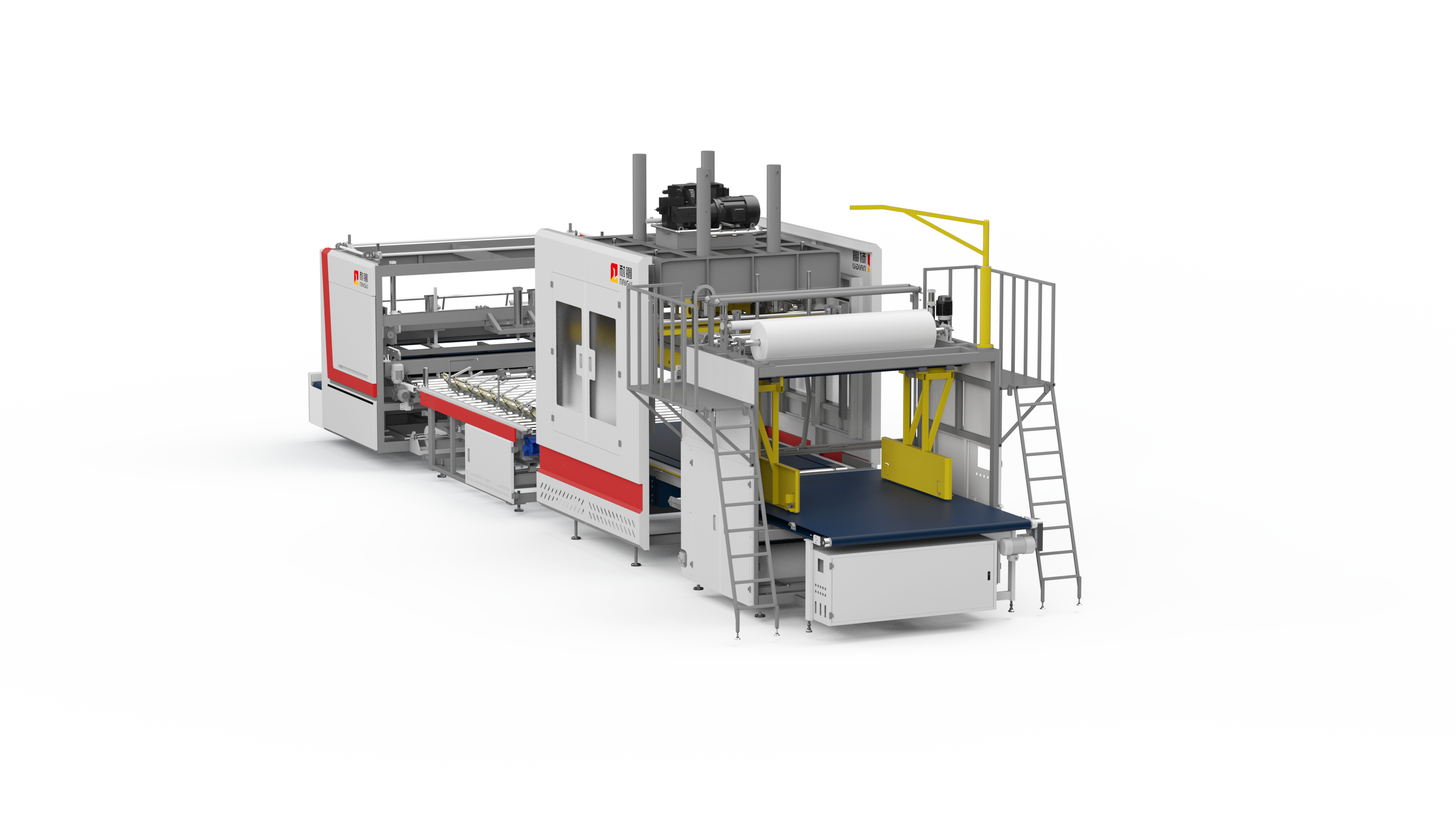
How Automatic Sofa Roll Packing Machines Help Improve Quality
Automatic sofa compression roll packing machines can standardize repetitive operations such as compression, film wrapping, sealing, and cutting, depending on the model and configuration.
Compared with processes that rely heavily on manual handling, automation can help reduce operator-to-operator variation and improve production consistency. However, good results still depend on suitable film, compatible sofa construction, correct machine settings, and regular maintenance.
Before investing in equipment, sofa manufacturers should evaluate sofa dimensions, materials, daily production volume, required package size, factory layout, and the level of automation needed.
Conclusion
Maintaining consistent package quality in sofa roll packing requires a combination of suitable film, controlled compression, reliable sealing, standardized product preparation, preventive maintenance, and systematic inspection.
By managing these factors together, sofa manufacturers can reduce packing defects, improve workflow consistency, and prepare products more reliably for storage and transportation.
NAIGU provides sofa compression and roll packing machinery for furniture manufacturers with different production requirements. Our team can help you evaluate suitable equipment according to sofa dimensions, product materials, packing targets, and production capacity.
Contact NAIGU to discuss your sofa roll packing requirements and explore a suitable packing solution for your factory.


