Categories
Choosing the Right Roll Diameter for Mattress Packing |NAIGU
Learn how to choose the right roll diameter for mattress packing and improve compression efficiency. This guide explains how mattress size, materials, compression ratio, and packing requirements affect roll diameter selection for better transportation, storage, and product quality.
Aug 10th,2026
97 Views
With the growing demand for compressed and roll-packed mattresses, choosing the correct roll diameter has become an important consideration for mattress manufacturers. The roll diameter directly affects package size, transportation efficiency, storage space, mattress recovery performance, and overall packing quality.
Different mattress types, materials, and thicknesses require different compression and rolling solutions. Selecting an unsuitable roll diameter may lead to problems such as unstable packages, excessive compression, damaged materials, or increased shipping costs.
This guide explains the key factors manufacturers should consider when choosing the right roll diameter for mattress packing.
What Is Mattress Roll Diameter?
The roll diameter refers to the final diameter of a mattress after it has been compressed and rolled for packing.
During the roll packing process, a mattress is compressed to reduce thickness and then rolled into a compact cylindrical package. The final roll diameter depends on several factors, including:
Mattress thickness
Mattress size
Foam density
Spring structure
Compression ratio
Rolling method
Packing film characteristics
A properly selected roll diameter helps balance space-saving benefits with mattress quality protection.
Why Roll Diameter Matters in Mattress Packing
1. Transportation Efficiency
One of the main advantages of roll-packed mattresses is reducing transportation volume.
A smaller roll diameter allows more mattresses to fit into:
Shipping containers
Trucks
Warehouses
Retail storage areas
For mattress exporters, reducing package volume can significantly lower logistics costs.
However, manufacturers should avoid excessive compression just to achieve a smaller roll size, as this may affect mattress performance after unpacking.
2. Mattress Recovery Performance
The final roll diameter has a direct relationship with compression pressure.
If the roll diameter is too small:
The mattress may experience excessive compression
Foam recovery time may increase
Material stress may become higher
Product quality may be affected
If the roll diameter is too large:
Transportation advantages may be reduced
Storage efficiency may decrease
More packing materials may be required
The ideal roll diameter should maintain a balance between compact packing and mattress recovery.
Factors Affecting Mattress Roll Diameter
1. Mattress Thickness
Mattress thickness is one of the most important factors.
For example:
Thin foam mattresses can usually achieve smaller roll diameters.
Thick mattresses require more space after compression.
Luxury mattresses with multiple layers may need larger roll diameters.
Before selecting a packing machine, manufacturers should evaluate the full mattress thickness range they produce.
2. Mattress Material
Different mattress materials respond differently to compression.
Foam Mattresses
Foam mattresses are commonly suitable for roll packing because they are flexible and recover well after compression.
Factors affecting roll diameter include:
Foam density
Foam hardness
Layer structure
Memory Foam Mattresses
Memory foam usually requires careful compression control because excessive pressure may affect recovery performance.
Latex Mattresses
Latex mattresses are elastic and require suitable compression settings to avoid damaging the material structure.
Spring Mattresses
Spring mattresses often require more consideration because coil structures can limit compression and rolling options.
3. Mattress Size
Mattress dimensions also influence roll diameter.
Common mattress sizes include:
A larger mattress surface area usually results in a larger final roll diameter.
Manufacturers producing multiple mattress sizes should select equipment with adjustable compression and rolling parameters.
4. Compression Ratio
The compression ratio determines how much the mattress thickness is reduced before rolling.
A higher compression ratio can create a smaller package, but it must remain within the material's capability.
The correct compression level depends on:
Mattress construction
Material properties
Storage duration
Transportation requirements
Professional mattress compression machines allow manufacturers to adjust parameters for different products.
Common Roll Diameter Problems and Solutions
Problem 1: Roll Package Is Too Large
Possible Causes:
Insufficient compression pressure
Incorrect machine settings
Unsuitable packing method
Solutions:
Optimize compression parameters
Check mattress positioning
Use appropriate compression equipment
Problem 2: Mattress Does Not Recover Properly
Possible Causes:
Excessive compression
Incorrect roll diameter selection
Long storage time
Solutions:
Adjust compression ratio
Increase roll diameter if necessary
Test recovery performance before mass production
Problem 3: Unstable Roll Shape
Possible Causes:
Uneven rolling
Incorrect film tension
Mattress not centered during packing
Solutions:
Improve mattress alignment
Adjust rolling speed
Use automatic positioning systems
How to Select the Right Roll Packing Machine
When choosing a mattress roll packing machine, manufacturers should consider:
Production Requirements
Evaluate:
Daily production capacity
Mattress size range
Required packing speed
Automation level
Mattress Specifications
Confirm:
Maximum mattress thickness
Mattress materials
Weight range
Expected roll diameter
Factory Expansion Plans
A suitable machine should support future production growth and additional mattress models.
For large mattress factories, automatic mattress compression roll packing machines can provide better consistency and higher efficiency.
Benefits of Proper Roll Diameter Selection
Choosing the correct roll diameter helps mattress manufacturers achieve:
✅ Lower transportation costs
✅ Better container loading efficiency
✅ Stable mattress recovery
✅ Reduced packing material waste
✅ Improved customer satisfaction
✅ More efficient production processes
A well-designed mattress packing process should not only reduce package size but also protect mattress quality.
How NAIGU Supports Mattress Roll Packing Solutions
NAIGU provides professional mattress packing solutions for global mattress manufacturers, including:
Mattress compression roll packing machines
Automatic mattress packing systems
Mattress production line solutions
Customized roll packing solutions
With advanced compression technology and flexible machine settings, NAIGU helps manufacturers optimize roll diameter, improve packing efficiency, and reduce logistics costs.
Conclusion
Choosing the right roll diameter for mattress packing requires careful consideration of mattress materials, thickness, size, compression ratio, and transportation requirements.
The goal is not simply to create the smallest package, but to achieve the best balance between space efficiency, product protection, and mattress recovery performance.
For mattress factories looking to improve their roll packing process, selecting the right equipment and compression settings is essential for long-term production efficiency.
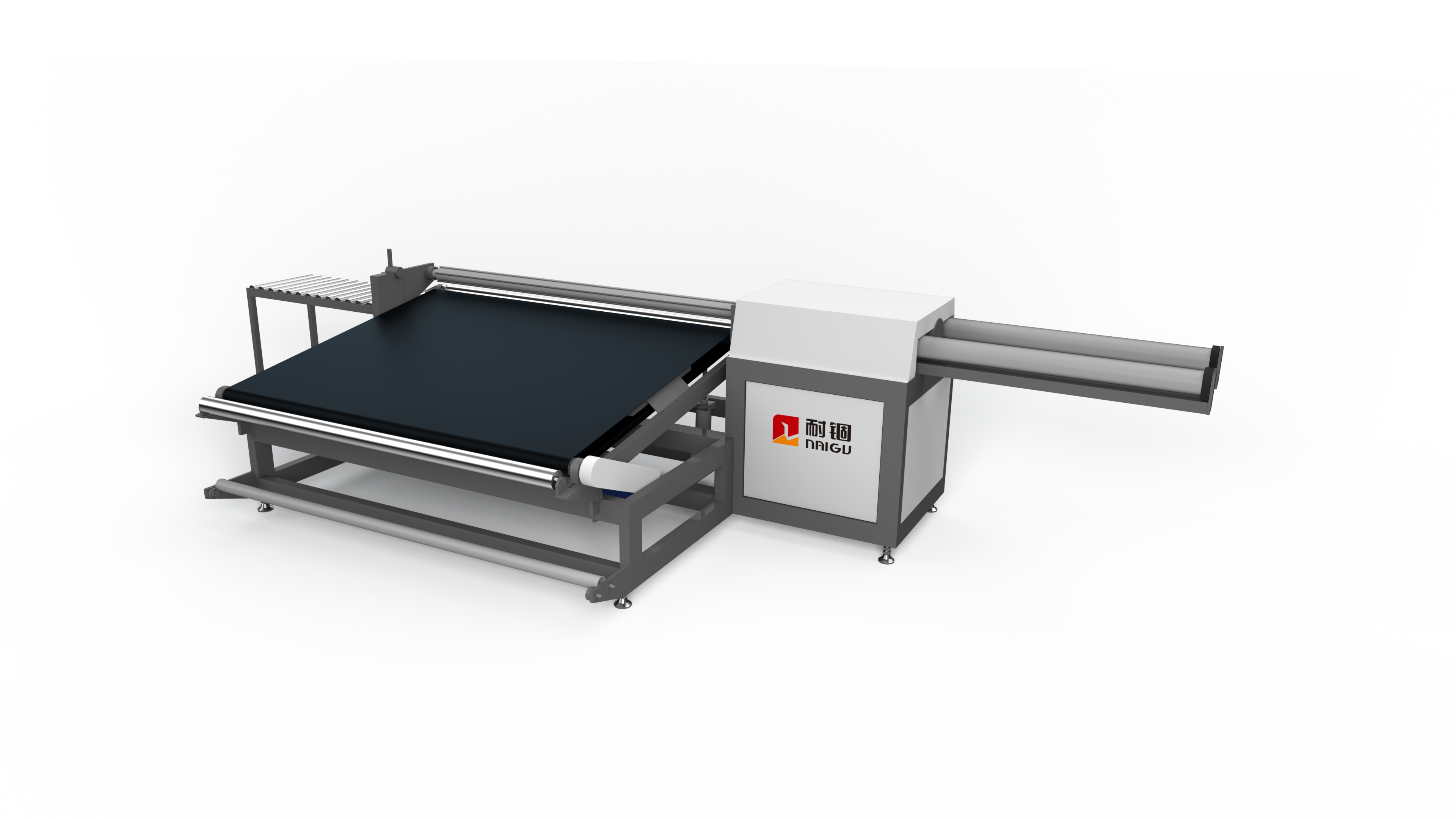
Contact NAIGU for professional advice on mattress compression machines, roll packing technology, and customized solutions for your factory.


